
Sight · Kuwait
Grand Souq Mosque
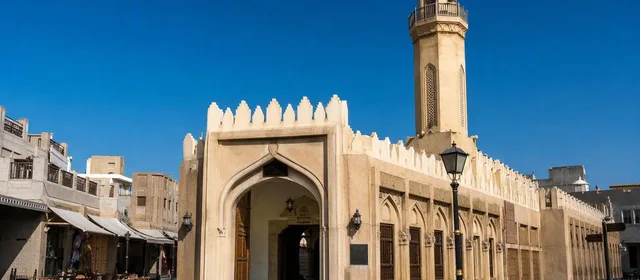
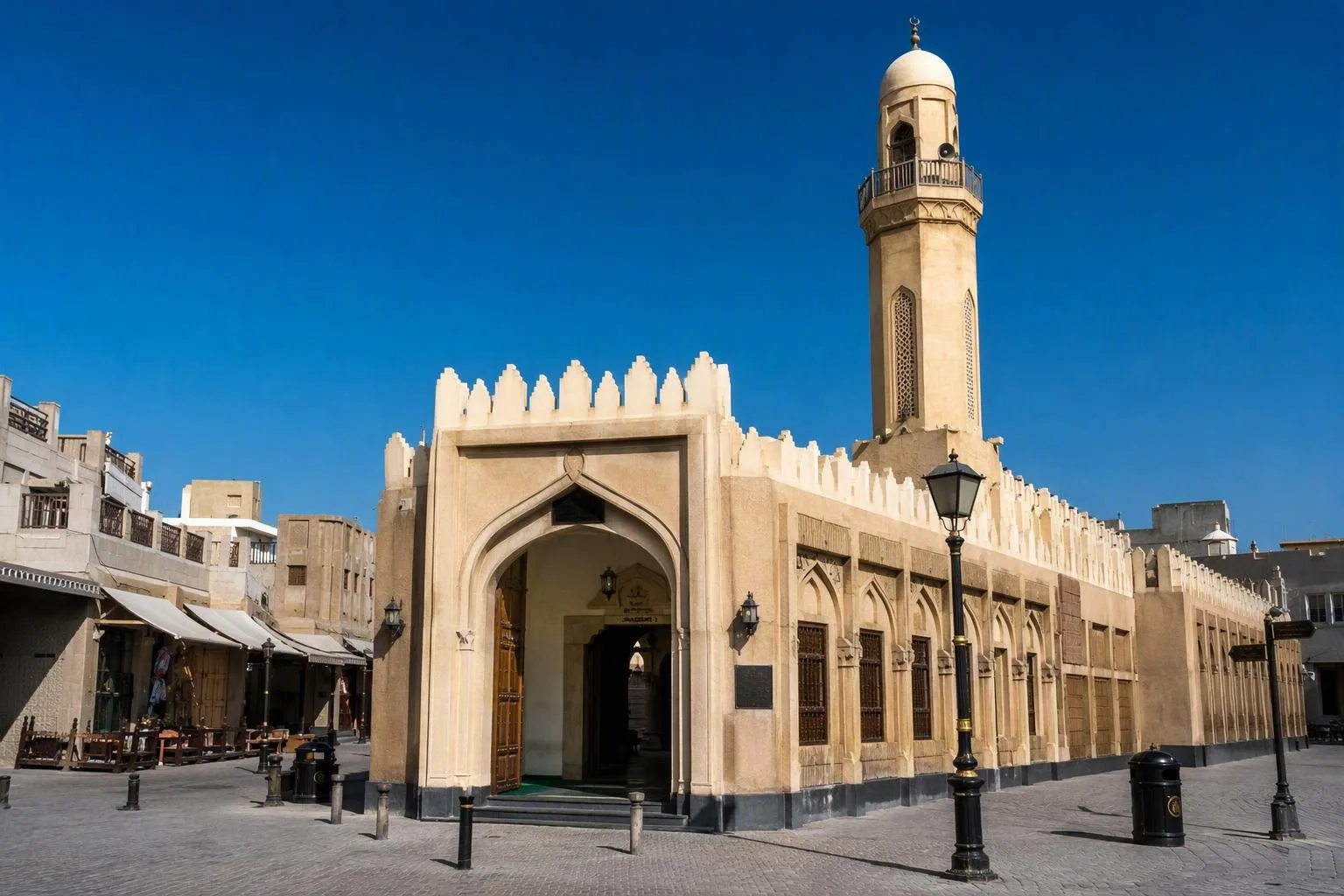
Grand Souq Mosque is a historic mosque in the inner market of Souq Al-Mubarakiya, Kuwait City. Also known as the Souq Mosque or Bin Rizq Mosque, it is one of the old city’s enduring religious landmarks.
Orientation
Grand Souq Mosque stands within the inner-market fabric of Souq Al-Mubarakiya, on Ali Al-Salem Street in Kuwait City. It is not Kuwait’s modern State Grand Mosque near Seif Palace: this is the older market mosque, also known as the Souq Mosque and historically as Bin Rizq Mosque.
Its position explains the name. The mosque has long been tied directly to the working market rather than set apart as a monumental precinct. The eastern entrances lead toward the old souq, while the main entrance is on the north side.
Why it matters
The mosque was founded in 1794 by Muhammad bin Hussein bin Rizq Al-Asaad. Before the construction of Kuwait’s present State Grand Mosque in the 1980s, it served as the principal setting for Eid prayers and major religious occasions in old Kuwait.
The building has been renewed more than once. A major rebuilding took place in 1839 with support from Kuwaiti and Indian benefactors; further renewal followed in the mid-20th century. What you see is therefore a maintained, living mosque with a long continuity of use, not an untouched eighteenth-century structure.
What to notice
Look for the relationship between mosque and market rather than a single grand facade.
- Northern entrance: the principal gateway gives the clearest street-facing approach.
- Eastern doors: these open toward the old market lanes, making the mosque part of the souq’s daily circulation.
- Courtyard and riwaq: a colonnaded portico wraps three sides of the courtyard; a row of 15 columns separates it from the open space.
- Prayer hall: 11 wooden doors lead from the portico into a hall carried on 28 columns. Its central dome is about 9.2 metres across internally and rises roughly 12.5 metres above the prayer-hall floor.
- Minaret: at the northeast corner, the 34.8-metre minaret is the building’s strongest vertical marker.
Visiting respectfully
This is an active place of worship, not a museum. View the exterior and market-facing entrances while walking the souq; enter only when access is permitted and never interrupt prayers.
Wear modest clothing, remove shoes if entering the prayer area, and keep voices low around the courtyard and doors. Do not photograph worshippers without permission. The mosque is an easy stop while exploring Mubarakiya’s covered lanes, but prayer times shape access and the pace of the immediate area.
Getting there
The mosque is best reached on foot once inside Souq Al-Mubarakiya. Use the Ali Al-Salem Street side to orient yourself, then follow the market lanes toward the northern entrance. A taxi or ride-hailing drop-off at the souq avoids the need to navigate central-city parking; continue on foot through the market.
From the magazine
Stories about Grand Souq Mosque
Editorial stories linked directly to Grand Souq Mosque.
No stories about Grand Souq Mosque have been published yet.
Routes from our editors
Travel through Grand Souq Mosque
Editorial routes connecting Grand Souq Mosque with other countries, cities and hotspots.
No routes through Grand Souq Mosque have been published yet.
More in Kuwait
Related hotspots
Other cities, nature areas and places within Kuwait.
Kuwait City
2 linked stories and routes
Souq Al-Mubarakiya
2 linked stories and routes
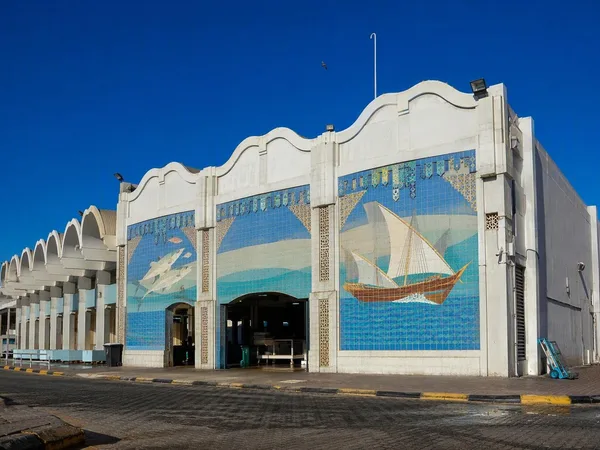
Sharq Fish Market
1 linked stories and routes
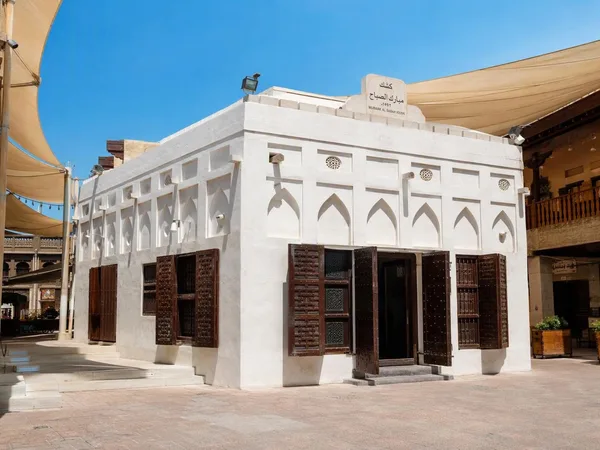
Al-Qibla, Kuwait City
1 linked stories and routes
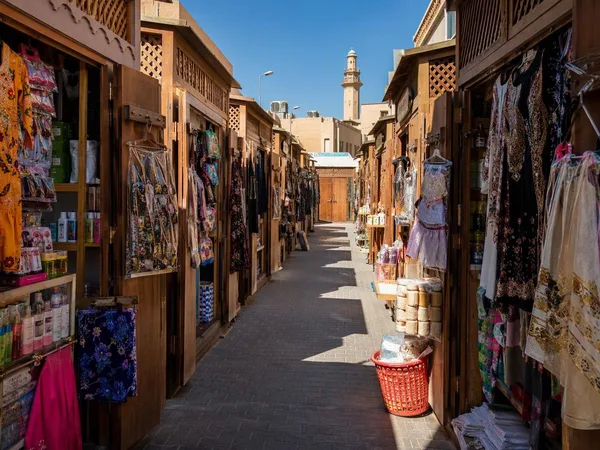
Souq Al-Hareem
1 linked stories and routes
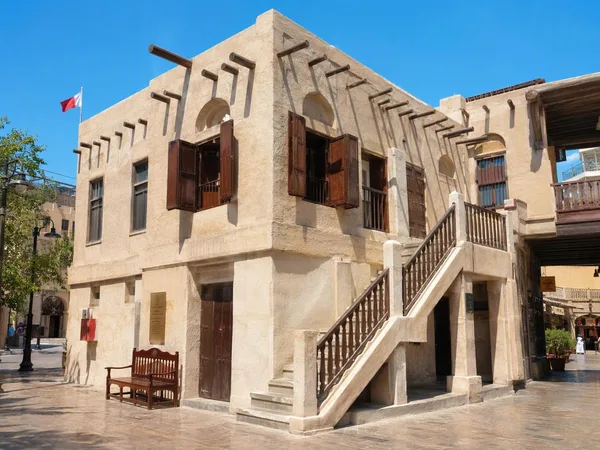
Sheikh Mubarak kiosk
1 linked stories and routes