
Neighbourhood · Kuwait
Al-Qibla, Kuwait City
Al-Qibla is the historic western quarter of Kuwait City, centred on the old commercial fabric around Souq Al-Mubarakiya. It is where pre-oil trade routes, heritage buildings and a working market meet the modern city centre.
Find your bearings
Al-Qibla—also called Jibla—is one of the old quarters at the core of Kuwait City. Its historic identity is commercial: merchants, seafarers and caravans once moved goods between Kuwait and Iraq, Iran, India and East Africa. Much of the original built fabric has disappeared through redevelopment, so approach it as a lived-in central district rather than an intact old town.
Use Souq Al-Mubarakiya as the practical starting point. The market is the clearest surviving focus of Al-Qibla and makes the compact quarter easy to explore on foot.
The market at its centre
Souq Al-Mubarakiya developed from the trading activity of old Al-Qibla and remains a working collection of specialist lanes, shops and food places. Expect a mix rather than a museum reconstruction: timber-roofed passages and traditional-style storefronts sit beside newer finishes, glass-fronted businesses and contemporary cafés.
Browse with a purpose:
- Perfume and incense: oud, musk and Arabic fragrance oils.
- Textiles and dress: fabric, traditional clothing and abayas.
- Food provisions: dates, spices, honey, sweets, fruit, vegetables, meat and fish.
- Gold, carpets and household goods: specialist sellers remain part of the souq’s trading pattern.
The market’s useful lesson is scale. Its lanes show how a Kuwaiti commercial district worked before oil wealth shifted the city’s centre of gravity.
Historic anchors
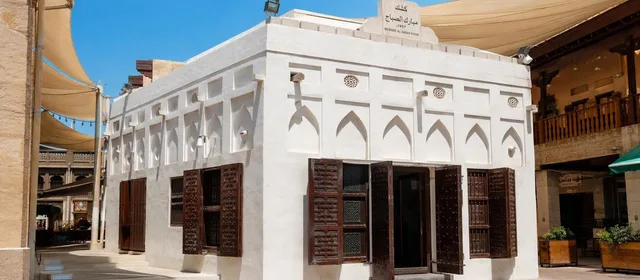
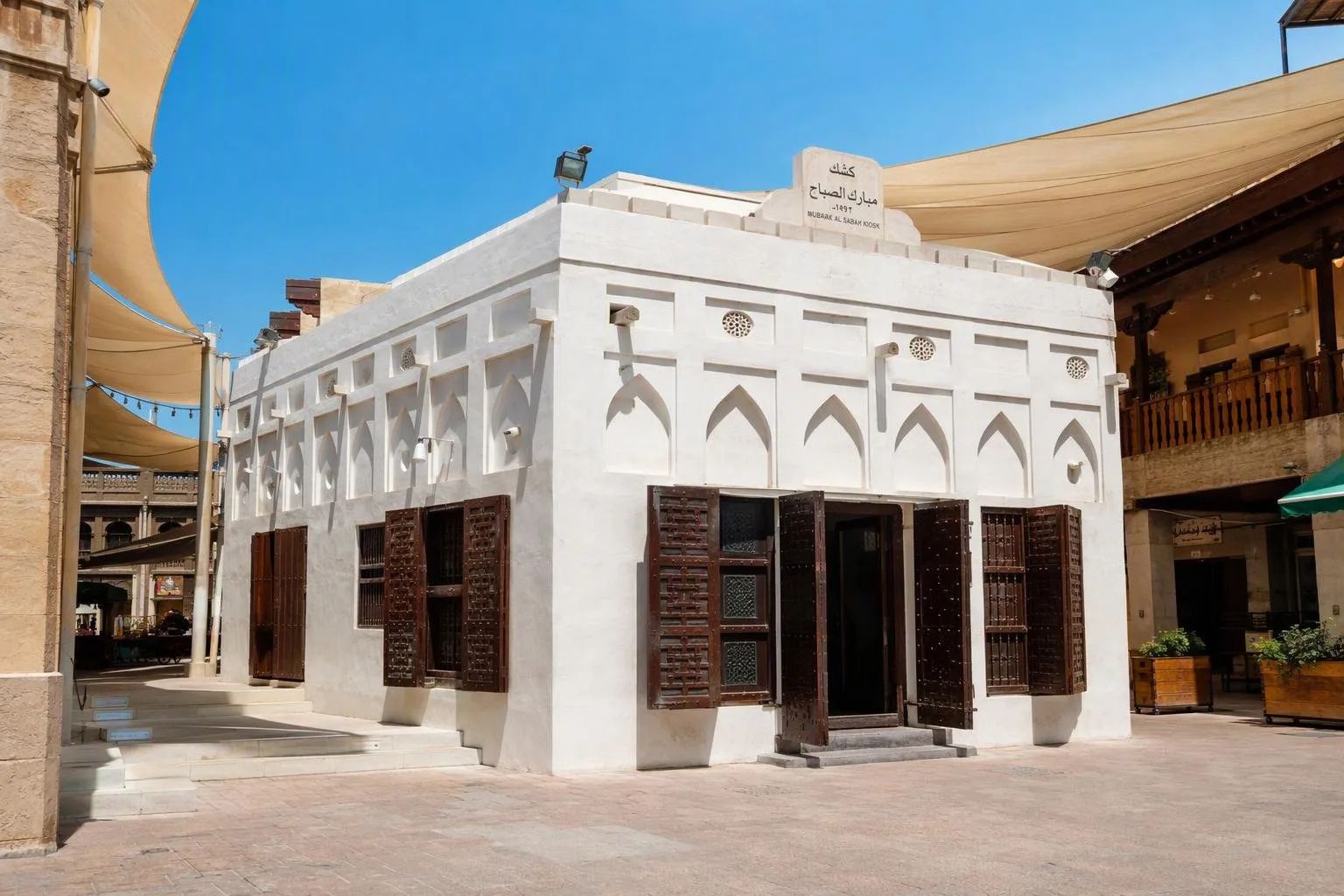
Look for the Sheikh Mubarak Al-Sabah Kiosk, established in 1897. It began as a small administrative pavilion in the market and later served as Kuwait’s first court; today it is a heritage landmark. Its modest size is part of the point: this is not a palace, but a public-facing structure embedded in a trading quarter.
Al-Qibla also contains historic mosques and former residential areas, though the quarter’s older streetscape survives only in fragments. Read the district through its surviving functions—market lanes, small courtyards, religious buildings and commercial premises—rather than expecting a continuous run of old houses.
Plan the visit
Arrive by taxi or ride-hailing vehicle and use Souq Al-Mubarakiya as the drop-off name. The district is central, but its interest lies at walking pace; once inside the market, follow the covered lanes and branch into the specialist sections.
There is no ticketed entrance to the souq. Individual shops, cafés and heritage spaces keep their own hours, so treat opening times as variable. Late afternoon and early evening are the sensible times for walking, especially outside the cooler months.
What to notice
Look upward as well as into shop windows. The market’s roofs, timber elements and shaded passages are practical responses to Kuwait’s climate, while newer materials record repeated rebuilding and adaptation. Al-Qibla is not preserved in aspic. Its value is the overlap of old trading geography with a district that still earns its keep every day.
From the magazine
Stories about Al-Qibla, Kuwait City
Editorial stories linked directly to Al-Qibla, Kuwait City.
No stories about Al-Qibla, Kuwait City have been published yet.
Routes from our editors
Travel through Al-Qibla, Kuwait City
Editorial routes connecting Al-Qibla, Kuwait City with other countries, cities and hotspots.
No routes through Al-Qibla, Kuwait City have been published yet.
More in Kuwait
Related hotspots
Other cities, nature areas and places within Kuwait.
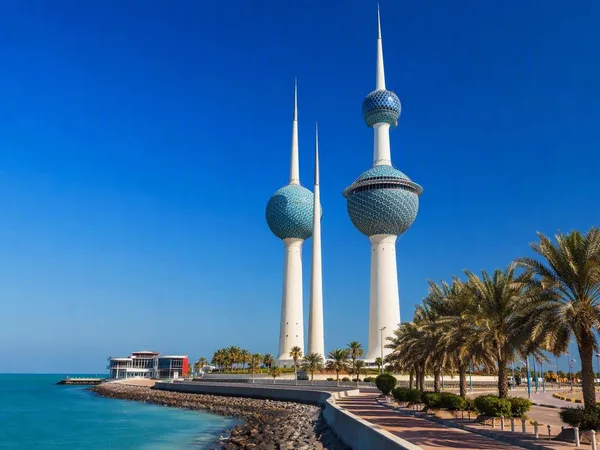
Kuwait City
2 linked stories and routes
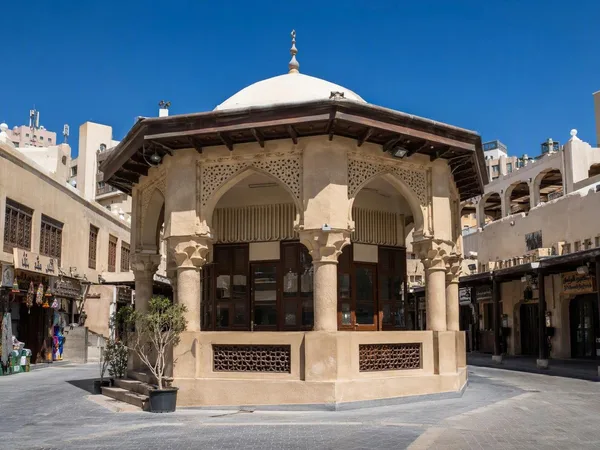
Souq Al-Mubarakiya
2 linked stories and routes
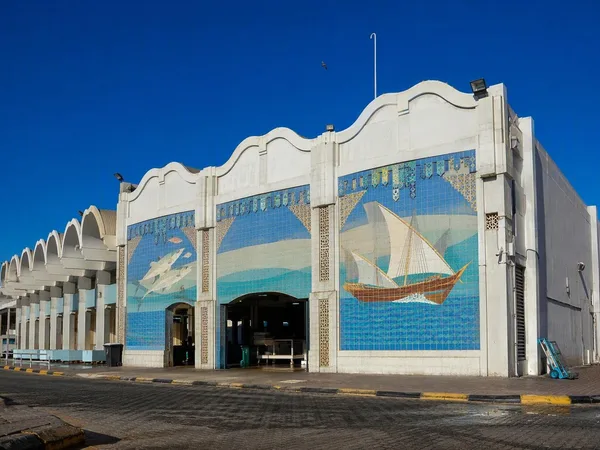
Sharq Fish Market
1 linked stories and routes
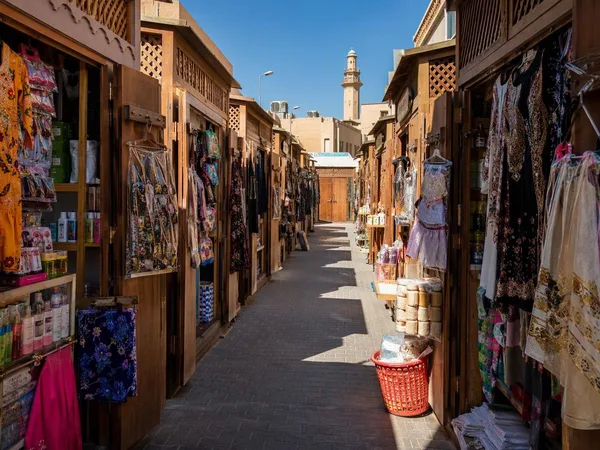
Souq Al-Hareem
1 linked stories and routes
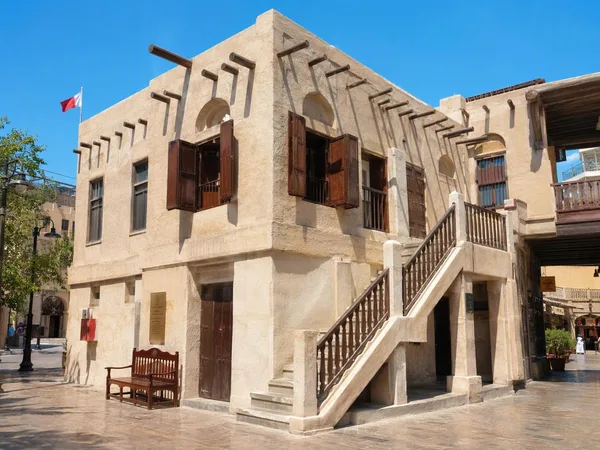
Sheikh Mubarak kiosk
1 linked stories and routes
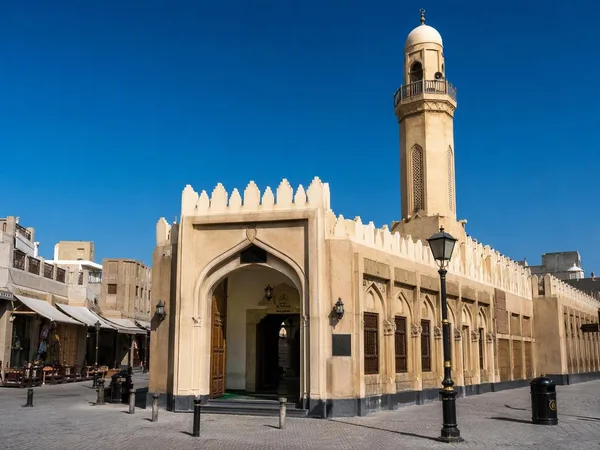
Grand Souq Mosque
1 linked stories and routes