Neighbourhood · Sweden
Gamla stan (Stockholm Old Town)
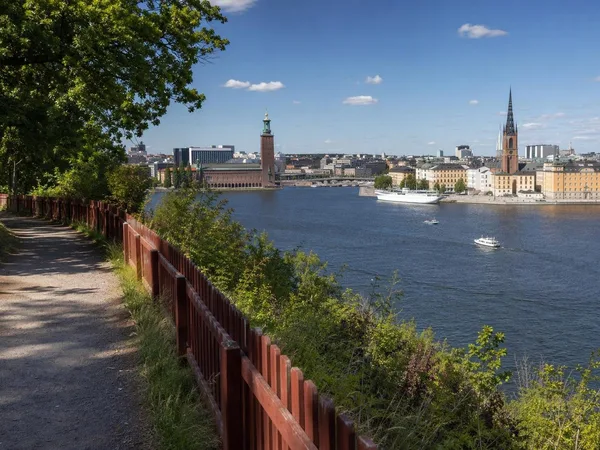
Gamla stan is Stockholm’s historic old town on the island of Stadsholmen, between the city centre and Södermalm. Its medieval street pattern, royal landmarks and compact squares make it Stockholm’s essential walkable historic district.
Orientation
Gamla stan is Stockholm’s oldest district, established during the 13th century on the island now known as Stadsholmen. It developed where traffic from Lake Mälaren passed towards the Baltic, and its lanes still follow the dense, irregular pattern of the old town.
The district is compact and best understood on foot. Västerlånggatan and Österlånggatan are the two main north–south routes; both connect the small lanes, shops and historic buildings that fill the island. Use the Royal Palace at the northern end as a reliable landmark.
The essential walk
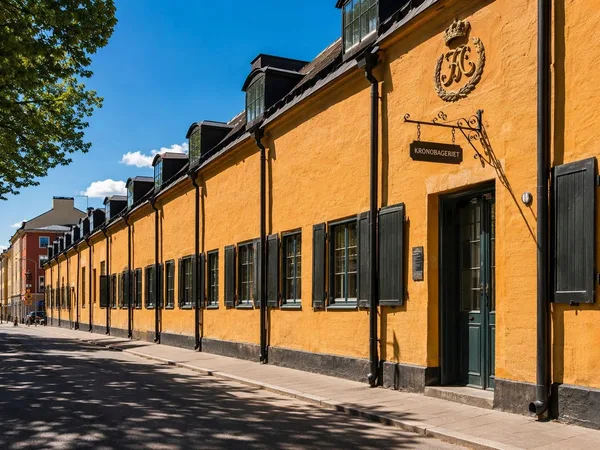
Start at Gamla stan metro station and work north through the lanes rather than treating the main streets as the destination. The cobbles, tight corners and painted façades are the point of the walk.
Make time for these anchors:
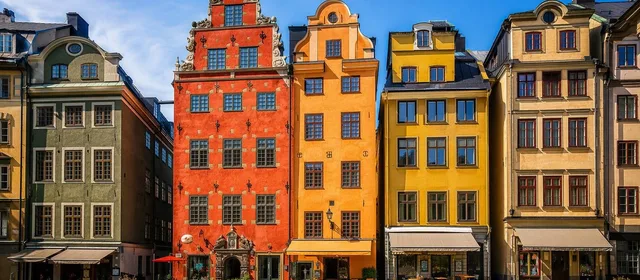
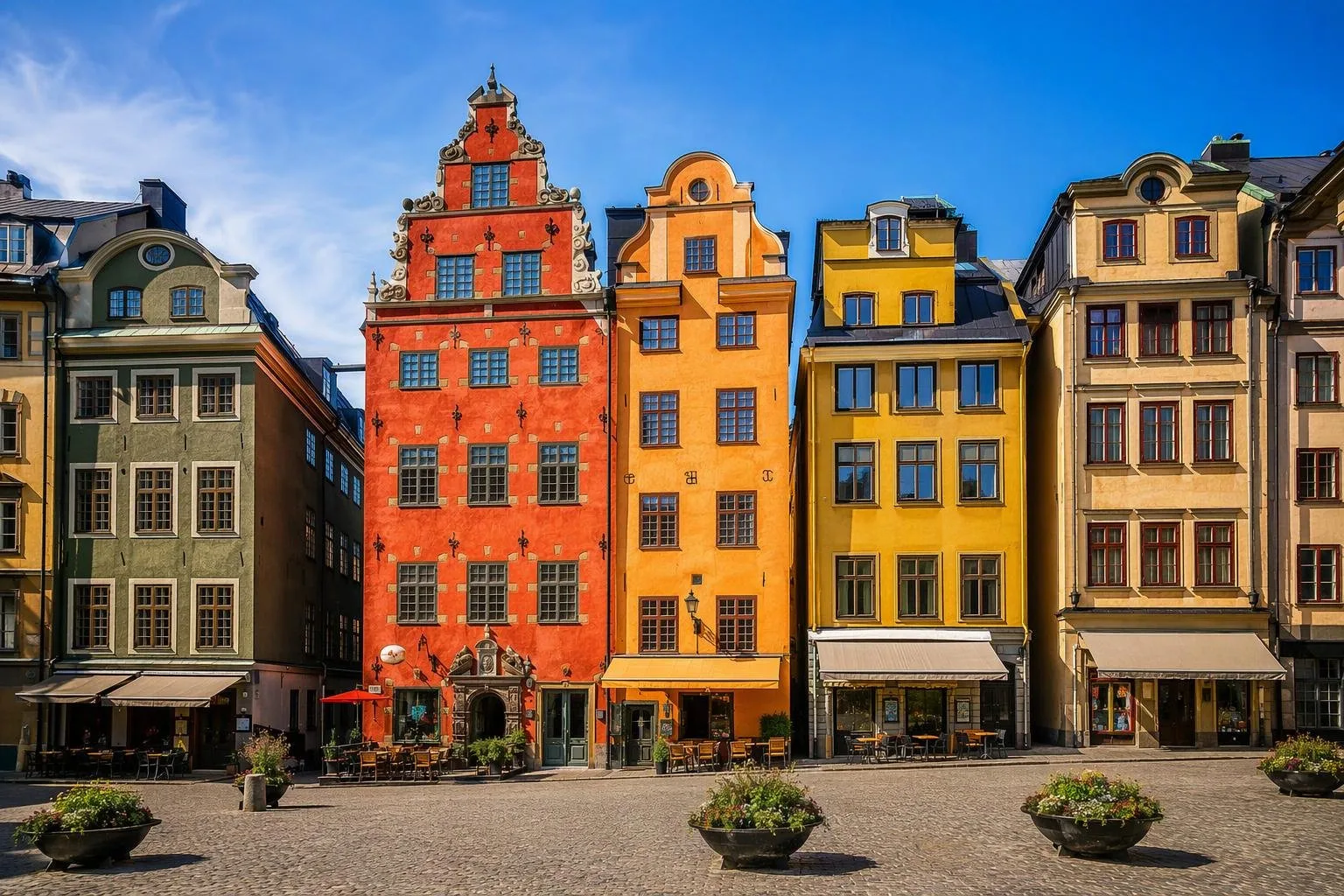
- Stortorget – Gamla stan’s central and oldest square, framed by distinctive coloured façades. The Nobel Prize Museum is here.
- Mårten Trotzigs gränd – a steep, stepped alley that narrows to 90 centimetres at its tightest point.
- Storkyrkan – Stockholm Cathedral, beside the Royal Palace.
- The Royal Palace – the official royal residence, with public museum spaces including the Royal Armoury nearby.
The palace, cathedral, museums and churches are individual visits rather than a single ticketed attraction. Build a route around one or two interiors; the streets and squares themselves are free to explore.
History in the street plan
Gamla stan is not a preserved medieval set. Much of the present building stock dates from the 16th and 17th centuries, while the district’s foundations and layout reach back to medieval Stockholm. The island was the city’s earliest core, and archaeology continues to reveal traces of walls, craft activity and domestic life beneath later buildings.
That layered history explains the mix of narrow medieval passages, larger civic spaces and later façades. Köpmangatan, leading east from Stortorget, is Stockholm’s oldest documented street, recorded in 1323. The waterfront at Skeppsbron reflects the district’s former role as a trading and shipping frontage.
Getting there and timing
Take the red or green metro line to Gamla stan station, then enter the old town on foot. The island is also easily reached across the bridges from central Stockholm or from Slussen to the south.
Allow at least two hours for a basic circuit; add time for museums or the palace. The central lanes become congested in the warmer months, so begin early if you want room to look at the architecture and navigate the narrow passages. In winter, Stortorget hosts a seasonal Christmas market.
Wear shoes with grip: the historic streets are cobbled and uneven. Keep to the side when stopping for photographs; several lanes are too narrow for people to pass comfortably.
From the magazine
Stories about Gamla stan (Stockholm Old Town)
Editorial stories linked directly to Gamla stan (Stockholm Old Town).
No stories about Gamla stan (Stockholm Old Town) have been published yet.
Routes from our editors
Travel through Gamla stan (Stockholm Old Town)
Editorial routes connecting Gamla stan (Stockholm Old Town) with other countries, cities and hotspots.
No routes through Gamla stan (Stockholm Old Town) have been published yet.
More in Sweden
Related hotspots
Other cities, nature areas and places within Sweden.