
Sight · Belgium
Royal Saint-Hubert Galleries
A 19th-century, glass-roofed shopping arcade in central Brussels, a few minutes from the Grand-Place. Its three connected galleries combine historic architecture with shops, cafés, a theatre and a cinema.
What this is
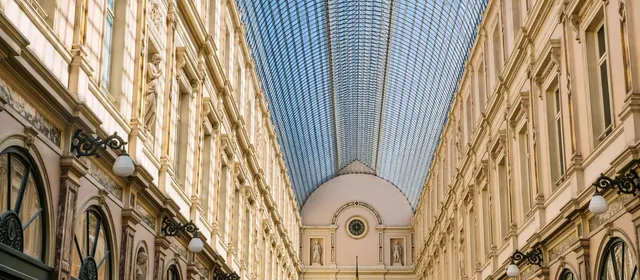
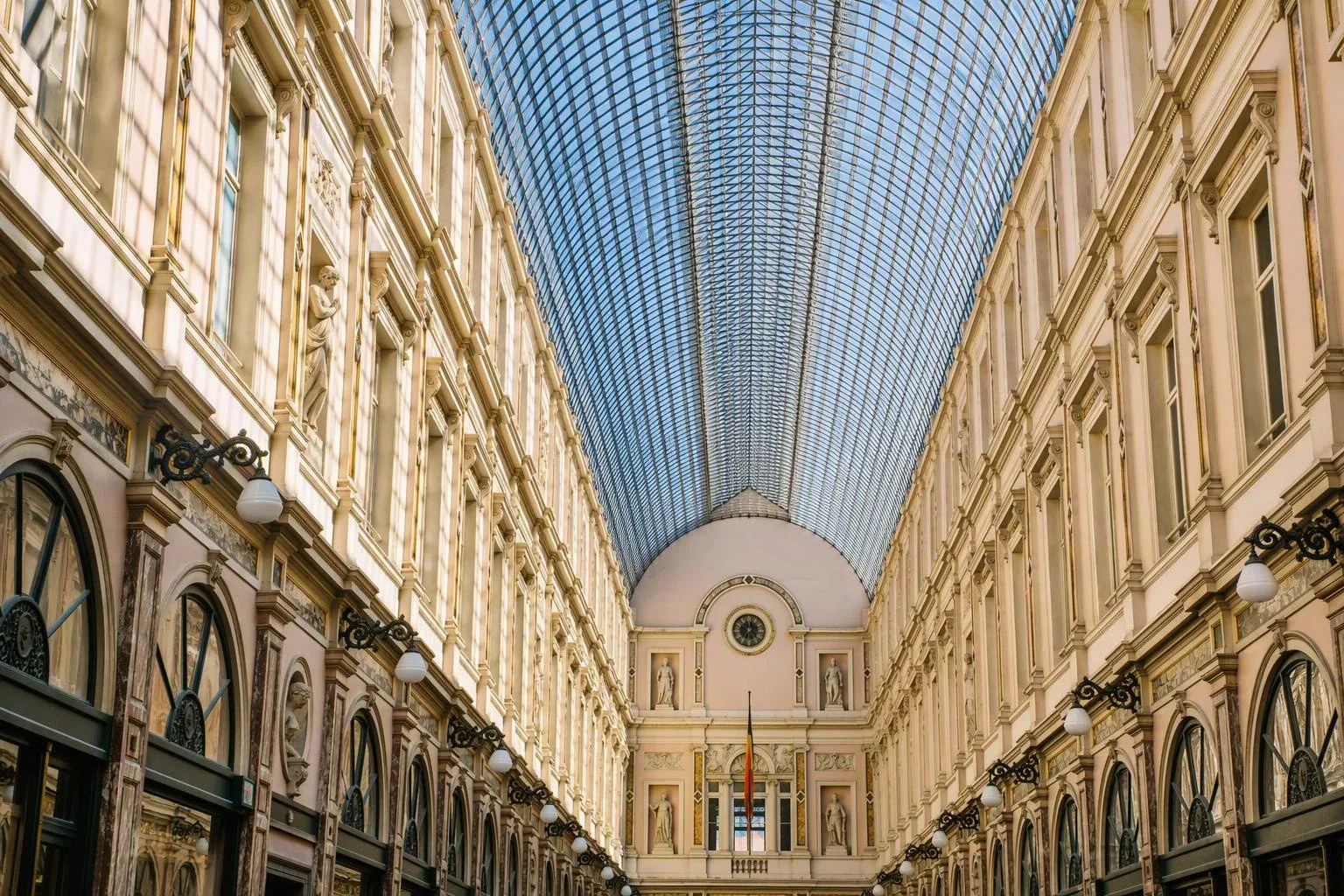
The Royal Saint-Hubert Galleries are a 213-metre covered passage designed by Jean-Pierre Cluysenaar and inaugurated by King Leopold I on 20 June 1847. This is not a single mall but a formal indoor street: shopfronts line both sides beneath a continuous glass-and-iron vault, with residential and cultural spaces above and behind them.
The complex was protected as a historic monument in 1986. Its core appeal is architectural: daylight enters through the vaulted glazing, while repeated arches, pilasters and upper-storey windows give the route the rhythm of an Italian Renaissance façade.
Find your way through
There are three linked sections:
- Queen’s Gallery (Galerie de la Reine / Koninginnegalerij): the main southern stretch from the Grasmarkt side.
- King’s Gallery (Galerie du Roi / Koningsgalerij): continues after the central bend towards Rue d’Arenberg and Rue de l’Ecuyer.
- Princes’ Gallery (Galerie des Princes / Prinsengalerij): the shorter branch off the main axis.
Use it as a covered crossing between streets around the Grasmarkt, Rue des Bouchers, Rue de l’Ecuyer, Rue d’Arenberg and Rue des Dominicains. The Grand-Place is only a short walk away.
What to notice
Look upward first. The fish-scale glazing of the roof was designed to improve ventilation and limit condensation. The structural logic is modern for its date—cast iron and glass—while the interior elevations deliberately borrow the language of Florentine Renaissance palaces.
The slight change in alignment between the two main galleries is intentional. It breaks the long perspective, so the succession of arches never reads as a single tunnel. At the entrances, look for the monumental façades and sculptural decoration that announce the passage as a civic street rather than a private shop arcade.
Shops, chocolate and culture
Luxury retail was built into the scheme from the start; the galleries originally contained about 70 shops and around 100 private apartments. That mixed use remains visible in the combination of chocolatiers, specialist shops, cafés and restaurants.
Neuhaus began here as a pharmacy that also sold chocolate; the galleries are closely associated with the development of the Belgian praline. This is a useful place to compare established chocolate houses, but the architecture is worth the walk even without shopping.
Culture has been part of the address since the 19th century. The complex includes the Théâtre Royal des Galeries, Théâtre du Vaudeville and Cinéma Galeries. A public film screening took place here in 1896; today, performances and screenings require their own tickets and schedules.
Visiting practicalities
Entry to the passage itself is free. Treat it as a public pedestrian route, not a ticketed monument. Shops, cafés, cinema and theatres set their own opening times, so do not assume that every business is open when the passage is accessible.
Visit in daylight to read the roof structure and façade detail clearly. The galleries are compact and easy to combine with central Brussels on foot; allow 20 to 40 minutes for a direct architectural walk, longer if stopping for chocolate, a meal or a performance.
From the magazine
Stories about Royal Saint-Hubert Galleries
Editorial stories linked directly to Royal Saint-Hubert Galleries.
No stories about Royal Saint-Hubert Galleries have been published yet.
Routes from our editors
Travel through Royal Saint-Hubert Galleries
Editorial routes connecting Royal Saint-Hubert Galleries with other countries, cities and hotspots.
No routes through Royal Saint-Hubert Galleries have been published yet.
More in Belgium
Related hotspots
Other cities, nature areas and places within Belgium.
Brussels
8 linked stories and routes
Saint-Gilles, Brussels
2 linked stories and routes
Ixelles
2 linked stories and routes
Marolles
2 linked stories and routes
Vossenplein (Place du Jeu de Balle)
2 linked stories and routes
Bruges
1 linked stories and routes
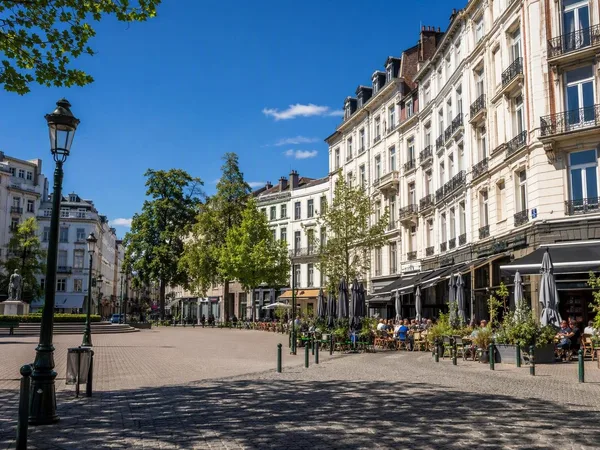
Etterbeek
1 linked stories and routes
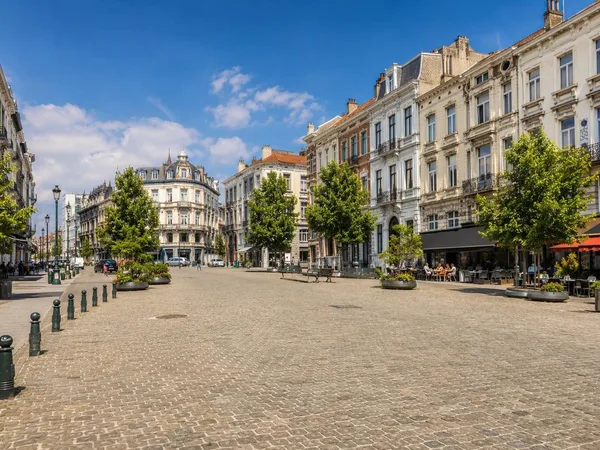
Jourdan Square
1 linked stories and routes
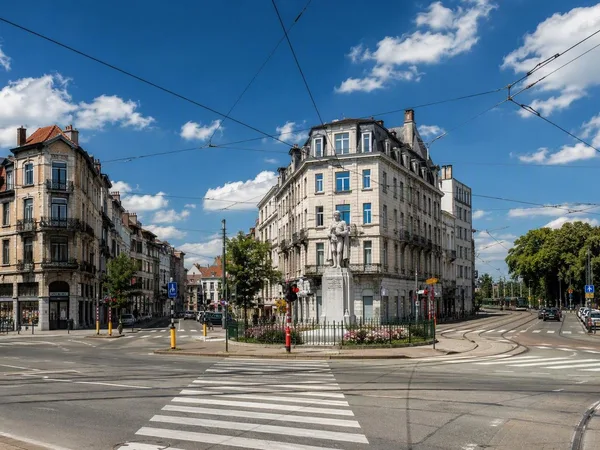
Barrière de Saint-Gilles
1 linked stories and routes
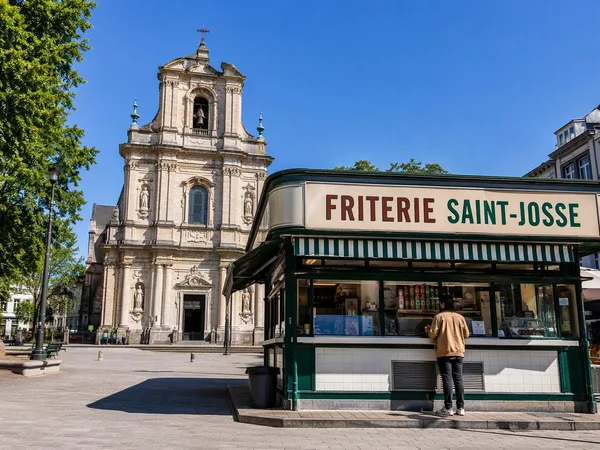
Sint-Joostplein, Brussels
1 linked stories and routes
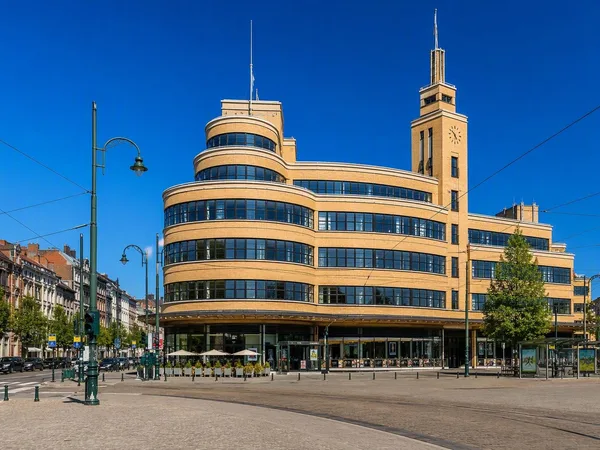
Eugène Flagey Square
1 linked stories and routes
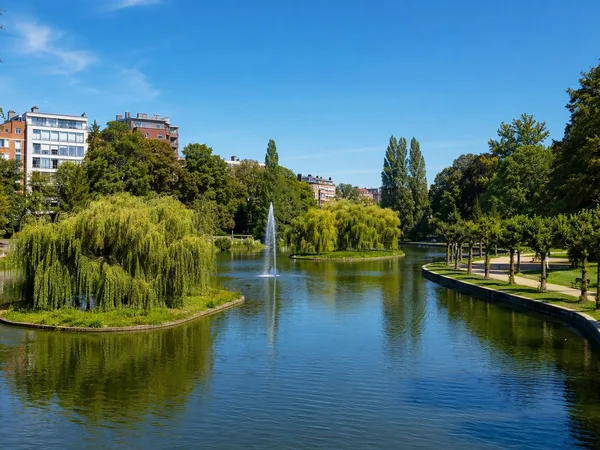
Ixelles Ponds
1 linked stories and routes
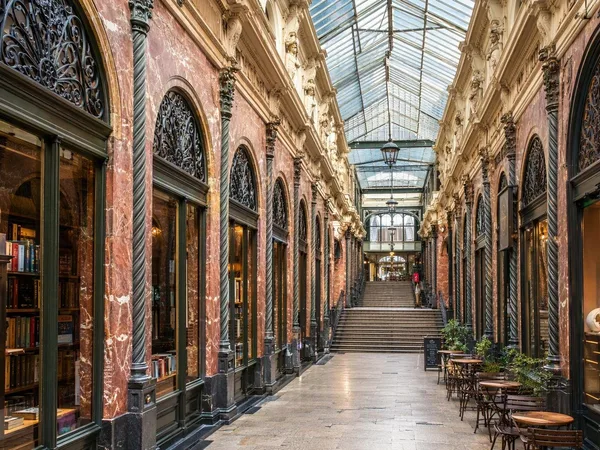
Galerie Bortier, Brussels
1 linked stories and routes
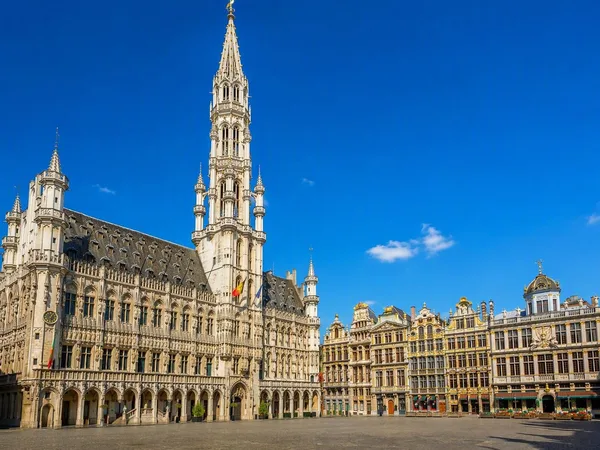
Vijfhoek, Brussels
1 linked stories and routes
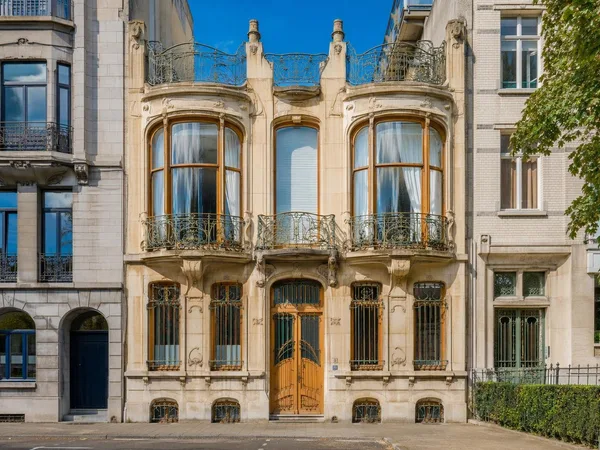
Hôtel Solvay
1 linked stories and routes
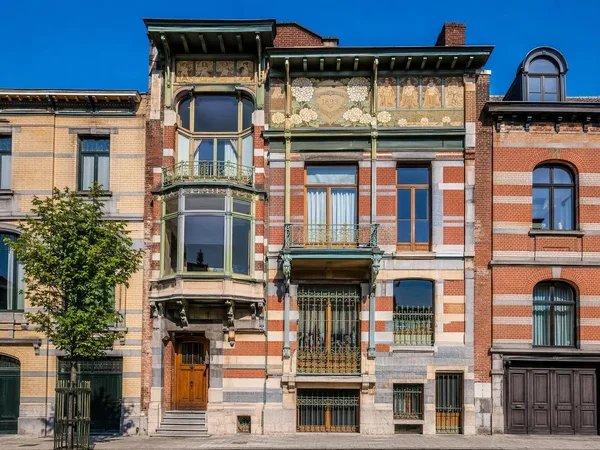
Maison Hankar
1 linked stories and routes
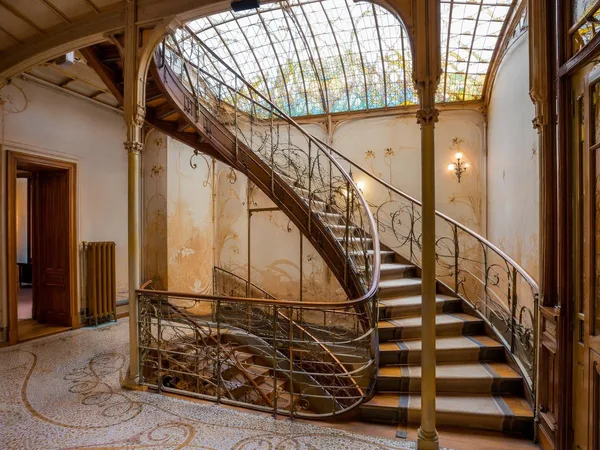
Horta Museum
1 linked stories and routes
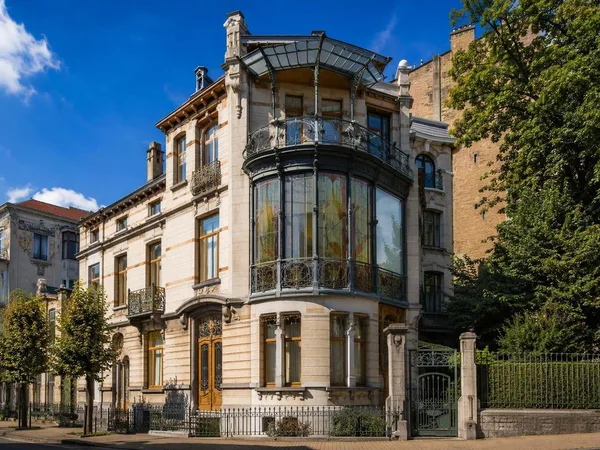
Maison Hannon
1 linked stories and routes
Hôtel van Eetvelde
1 linked stories and routes
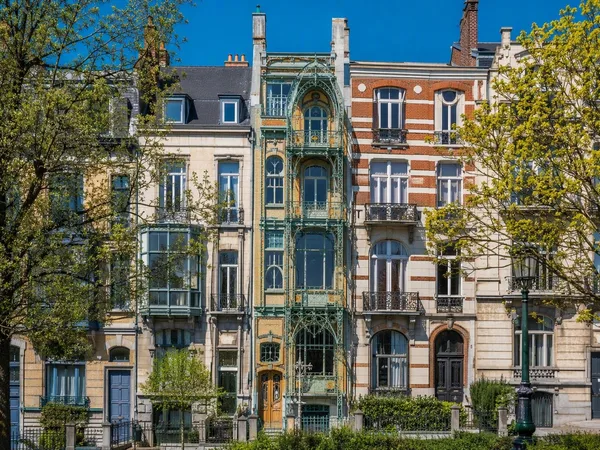
Maison Saint-Cyr
1 linked stories and routes
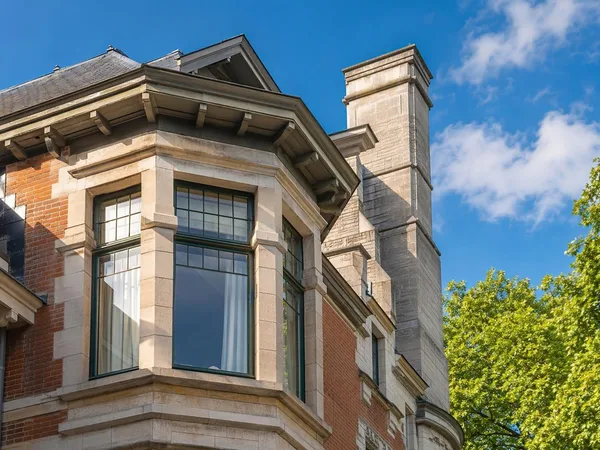
Quaker House
1 linked stories and routes
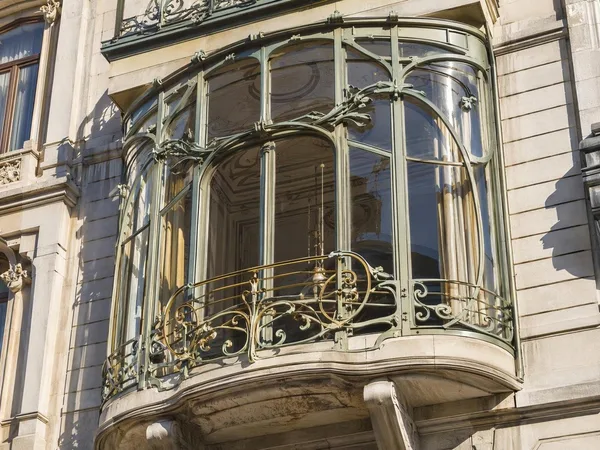
Hôtel Tassel
1 linked stories and routes
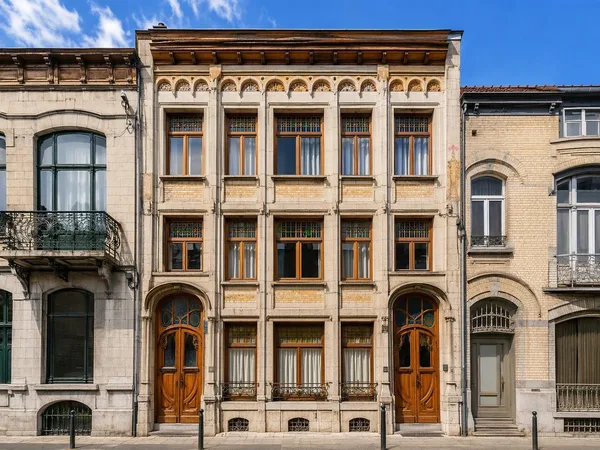
Hôtel José Ciamberlani
1 linked stories and routes