
City · Cambodia
Phnom Penh
Phnom Penh is Cambodia’s capital at the meeting of the Tonlé Sap, Mekong and Bassac rivers. Its royal precinct, Khmer art collection and riverside streets make the compact historic centre the logical place to begin.
Start at the royal precinct
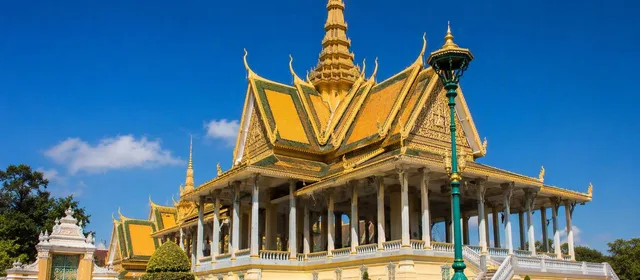
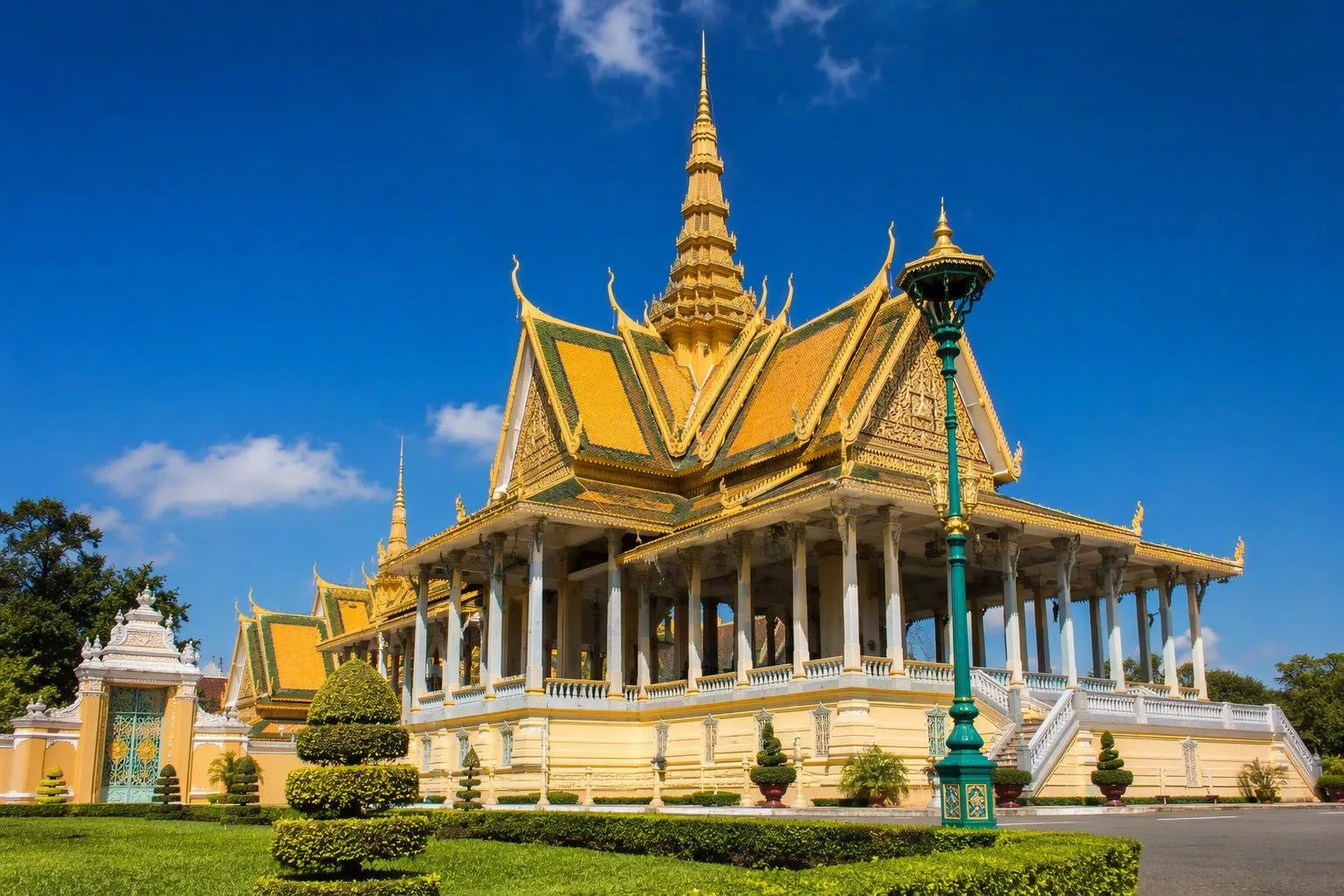
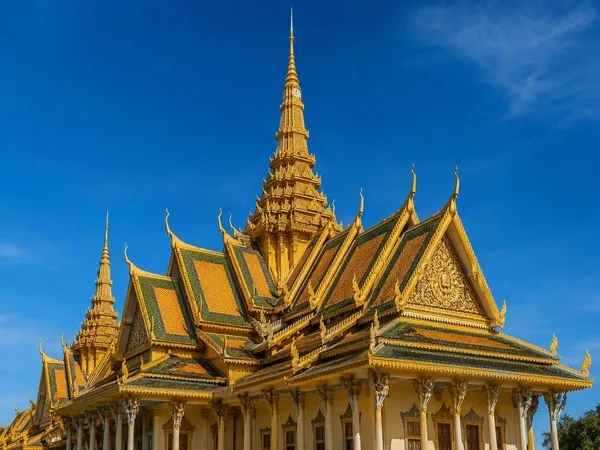
The Royal Palace is Phnom Penh’s defining landmark. King Norodom began it after moving the capital from Oudong in 1866, and it remains the official residence of Cambodia’s king. The public route covers ceremonial grounds, not the private residence.
The main reference points are the Throne Hall, with its tall Khmer-style spire, and the Silver Pagoda (Wat Preah Keo Morakot). The pagoda is a royal temple, not simply a display room: its name comes from the silver-tiled floor, while its religious collection includes a crystal Buddha known as the Emerald Buddha and a gold Buddha.
Allow time for the Reamker murals around the pagoda rather than treating the compound as a quick exterior stop. They depict Cambodia’s version of the Ramayana.
Read the craft connection accurately
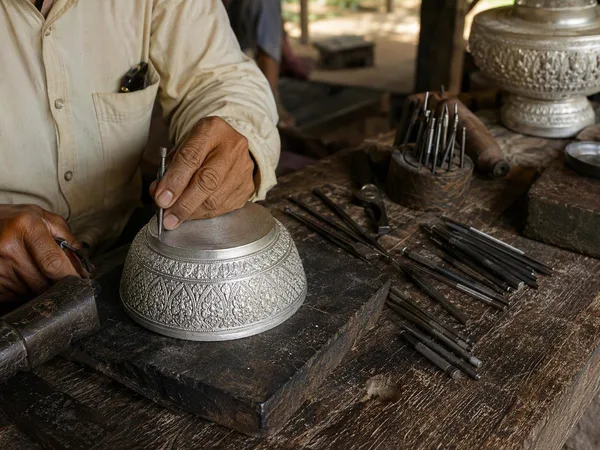
The palace gives useful context for Phnom Penh’s association with precious metalwork. When the court moved here, master goldsmiths and silversmiths followed and settled near the new palace; foreign visitors later called their commercial street “Silver Street.”
That history does not mean every silver object sold near the palace is antique court craft. For a more specific connection, look for hand-worked relief, fine drawn wire or Khmer-derived floral and architectural motifs. Contemporary jewellers also make gold and silver pieces with natural gemstones, including custom work; these are modern designs unless the construction and ornament demonstrate a traditional technique.
Add Khmer art next door
The National Museum of Cambodia lies just north of the palace. Its terracotta Khmer-inspired building opened in 1920 and holds sculpture, ceramics and ethnographic objects ranging from prehistoric and pre-Angkorian periods through Angkor and later eras.
Use the museum to put palace imagery into a longer artistic sequence. The collection includes major Hindu and Buddhist sculpture, bronzes and architectural fragments; the central courtyard with lotus ponds is the appropriate place for photographs, while photography is prohibited in the galleries.
Walk the riverfront and old centre
The palace faces the central riverfront, close to the point where the Tonlé Sap, Mekong and Bassac meet. Follow the riverside north toward Wat Ounalom, or continue to Wat Phnom, the hilltop temple tied to the city’s name. “Phnom Penh” means Penh’s hill, after the founding tradition associated with Lady Penh.
Central Market (Phsar Thmei), a 1937 Art Deco landmark, makes a useful contrast to the royal and religious architecture. Street 240, near the palace, is a practical area for small shops and cafés.
Visit with the rules in mind
The palace generally opens in two sessions, 08:00–11:00 and 14:00–17:00. Wear clothing that covers shoulders and knees. Photography is restricted inside the Silver Pagoda and Throne Hall, and royal ceremonies can close areas at short notice.
Go early for the palace, then use the midday closure for the National Museum. Keep the Royal Palace and museum as separate visits: they have separate admission.
From the magazine
Stories about Phnom Penh
Editorial stories linked directly to Phnom Penh.
No stories about Phnom Penh have been published yet.
Routes from our editors
Travel through Phnom Penh
Editorial routes connecting Phnom Penh with other countries, cities and hotspots.
No routes through Phnom Penh have been published yet.
More in Cambodia
Related hotspots
Other cities, nature areas and places within Cambodia.
Kompong Luong Silver Village
1 linked stories and routes
Royal Palace, Phnom Penh
1 linked stories and routes
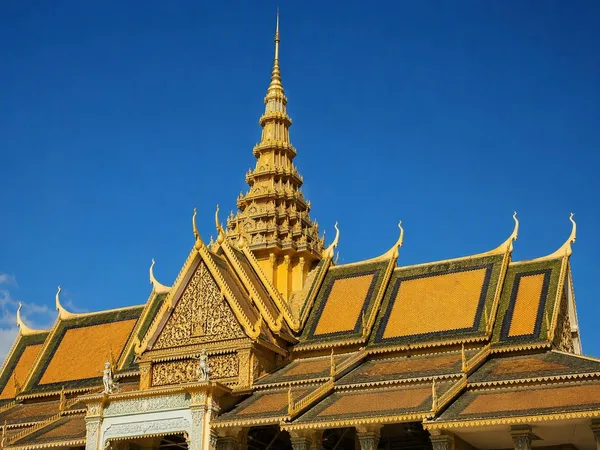
Royal Palace of Cambodia
1 linked stories and routes
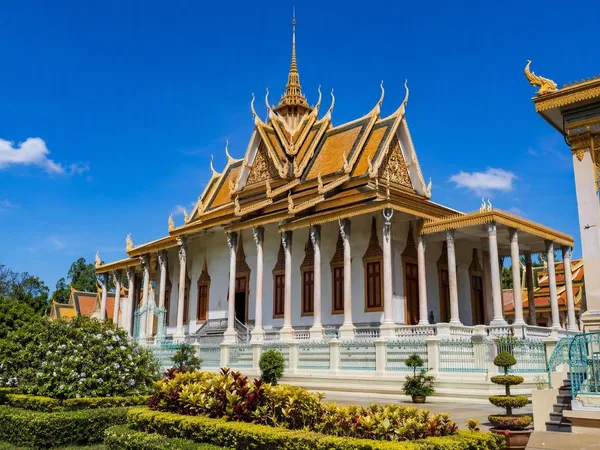
Silver Pagoda
1 linked stories and routes
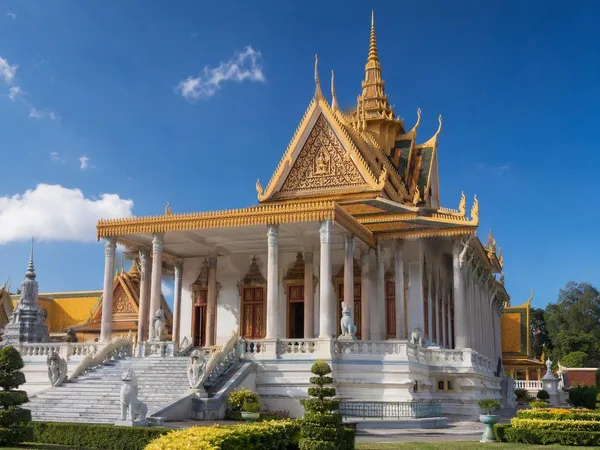
Silver Pagoda
1 linked stories and routes
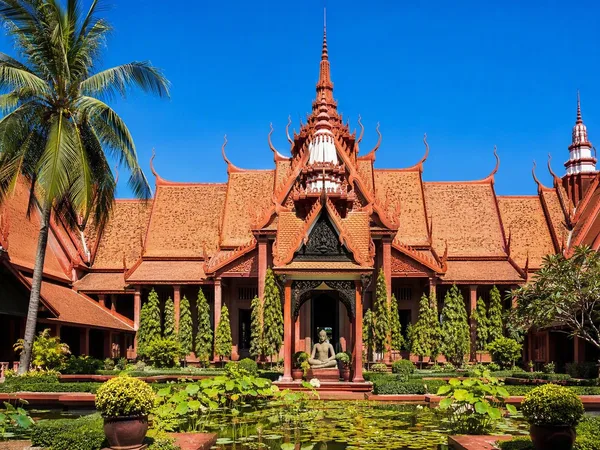
National Museum of Cambodia
1 linked stories and routes
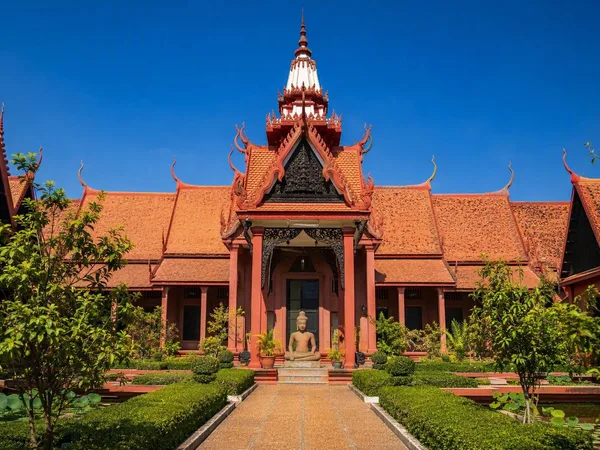
National Museum of Cambodia
1 linked stories and routes
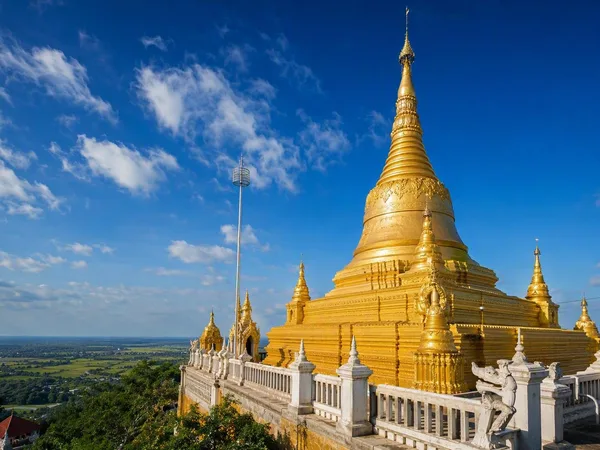
Oudong
1 linked stories and routes
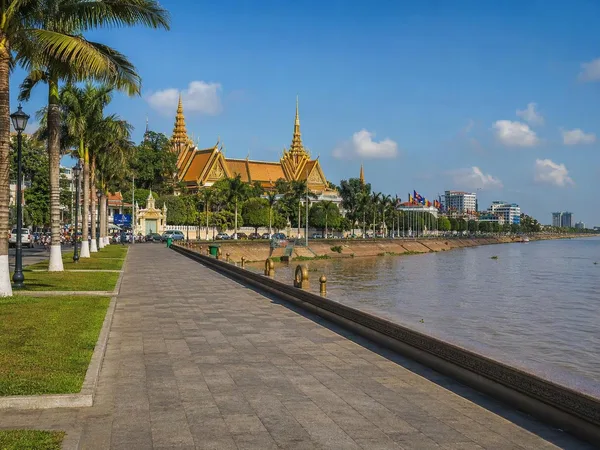
Sisowath Quay
1 linked stories and routes