
City · Cambodia
Oudong
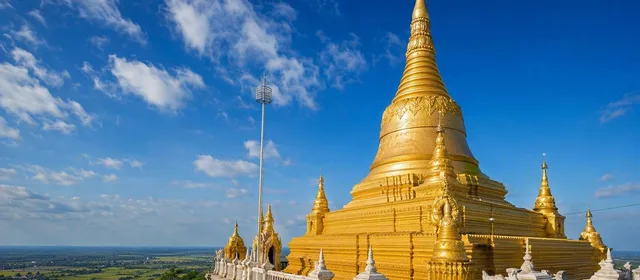
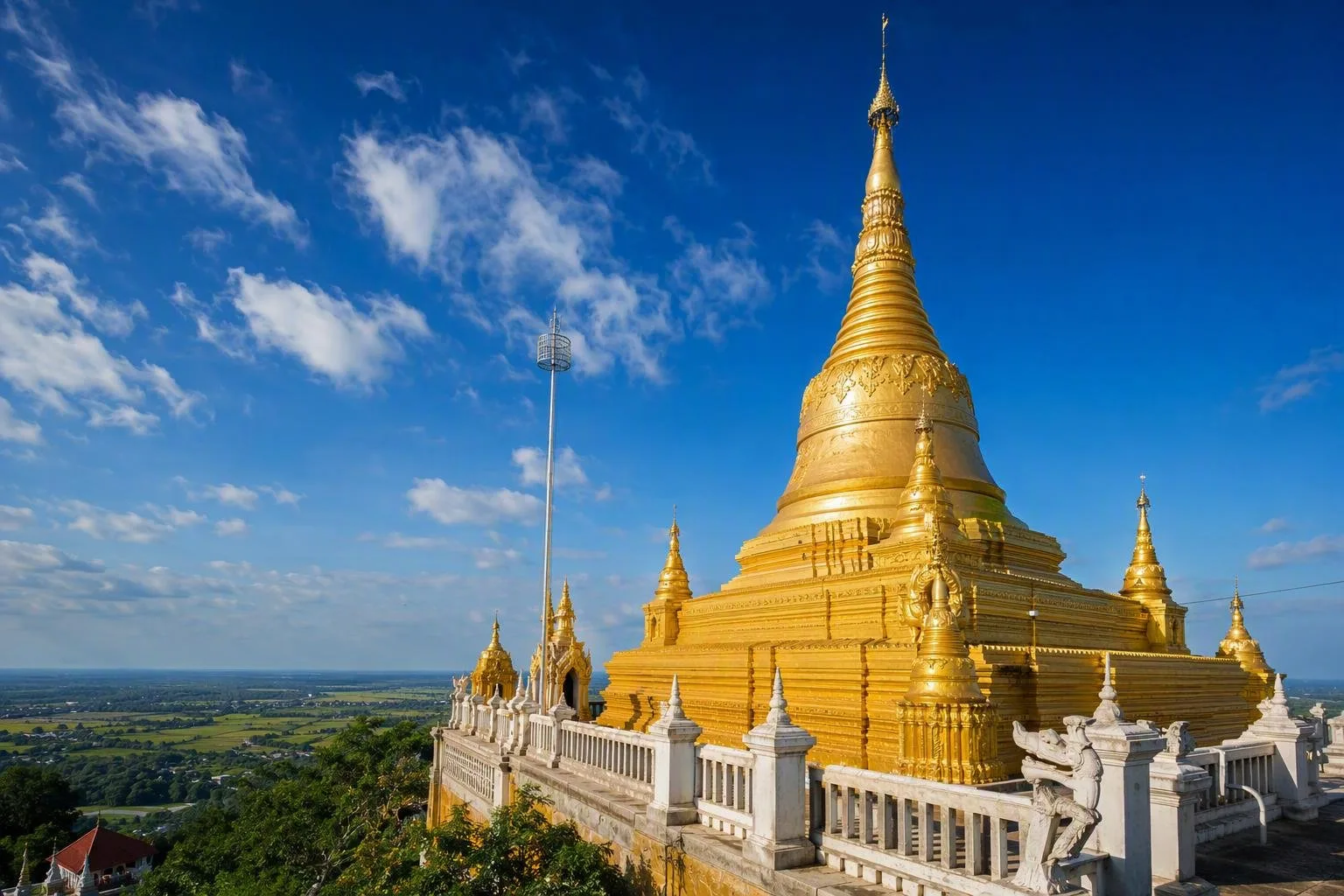
Oudong is Cambodia’s former royal capital, about 35 km northwest of Phnom Penh in Kandal Province. Its historic city spreads around Phnom Oudong, whose ridge is lined with royal stupas, shrines and broad views over the plain.
Why Oudong matters
Oudong was Cambodia’s political centre from 1618 until King Norodom moved the court to Phnom Penh in 1866. The former city occupied the plains around Phnom Oudong, a low, distinctive ridge chosen as a sacred focal point and positioned near the Tonle Sap River.
The surviving site is not one monument but a royal, religious and archaeological landscape. It holds remains from pre-Angkorian, Angkorian and post-Angkorian periods, including temple elements, shrines and the royal necropolis. Oudong is on Cambodia’s UNESCO Tentative List.
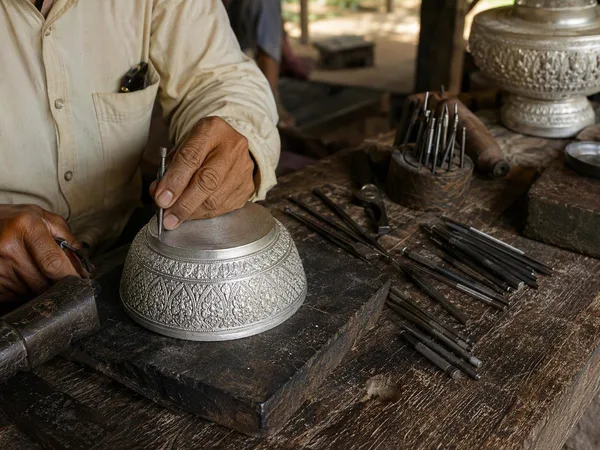
Its former river port lay around present-day Kampong Luong, east of the hill. That river connection supported trade and helps explain the area’s longstanding association with metalworking; silver workshops remain part of Kampong Luong’s identity.
The ridge and its monuments
The main objective is Phnom Oudong, also called Phnom Preah Reach Troap. Sixteen stupas associated with rulers and royal family members survive across the wider site; 13 stand on the mountain and three at its foot.
Make time for these stops:
- Preah Sakyamuni Chedi: the striking modern white stupa on the ridge, built in 2002 as a Buddha-relic shrine.
- The royal stupas: look for the ornate stupa of King Ang Duong and the four-faced Mak Proum stupa of King Sisowath Monivong.
- Vihear Preah Ath Roes: the sanctuary of the 18-cubit Buddha. Its damaged and rebuilt fabric records the destruction inflicted on the site in 1977.
- The ridge views: the plains, villages and rice fields are part of the point. Walk the ridge rather than treating the first stupa as the finish.
How to visit
The principal stairway climbs more than 500 steps. It is exposed and the summit paths are uneven, so wear shoes with grip and carry water. Start early, before the heat builds, and allow time to walk between the monuments rather than rushing the ascent.
At the foot of the mountain, basic stalls and parking cluster near the approaches. The site works well as a half-day outing from Phnom Penh; the journey follows National Road 5 northwest before the signed turnoff to Oudong.
A vehicle or tuk-tuk gives the most direct access from Phnom Penh. Arrange a return wait with the driver, as the monuments are spread along the ridge rather than concentrated at one gate.
A living sacred place
Oudong is an active place of worship as well as a former capital. Cover shoulders and knees at shrines, remove shoes and hats where requested, and keep voices low around worshippers. Do not climb on stupas, statues or archaeological remains.
The Khmer Rouge period is part of the site’s history, not background scenery. A memorial at the base commemorates victims; treat it as a place of remembrance. Keep food and loose belongings secured on the stairways, where macaques can grab them.
From the magazine
Stories about Oudong
Editorial stories linked directly to Oudong.
No stories about Oudong have been published yet.
Routes from our editors
Travel through Oudong
Editorial routes connecting Oudong with other countries, cities and hotspots.
No routes through Oudong have been published yet.
More in Cambodia
Related hotspots
Other cities, nature areas and places within Cambodia.
Kompong Luong Silver Village
1 linked stories and routes
Phnom Penh
1 linked stories and routes
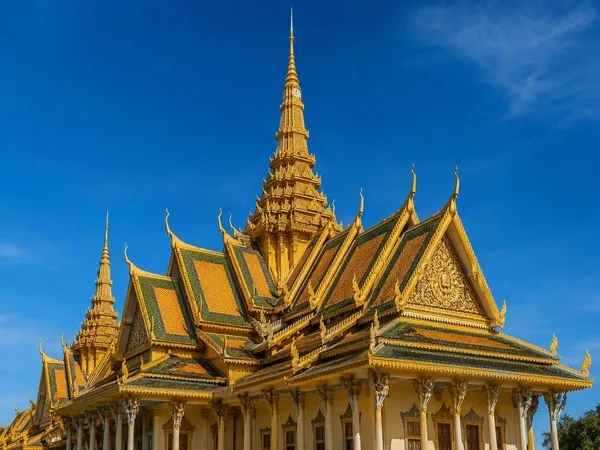
Royal Palace, Phnom Penh
1 linked stories and routes
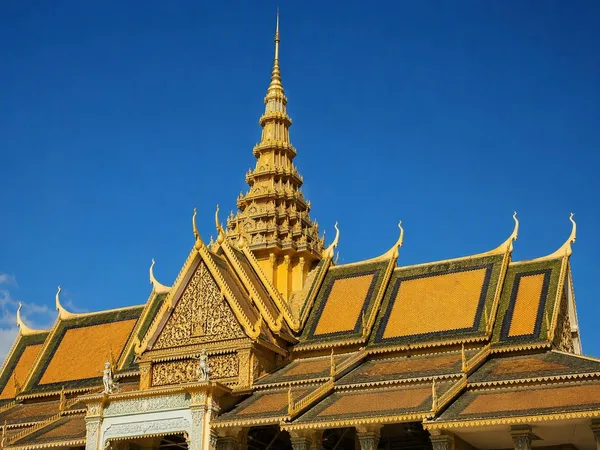
Royal Palace of Cambodia
1 linked stories and routes
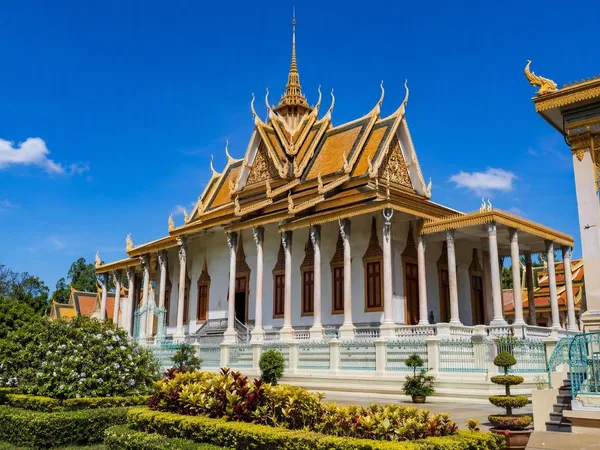
Silver Pagoda
1 linked stories and routes
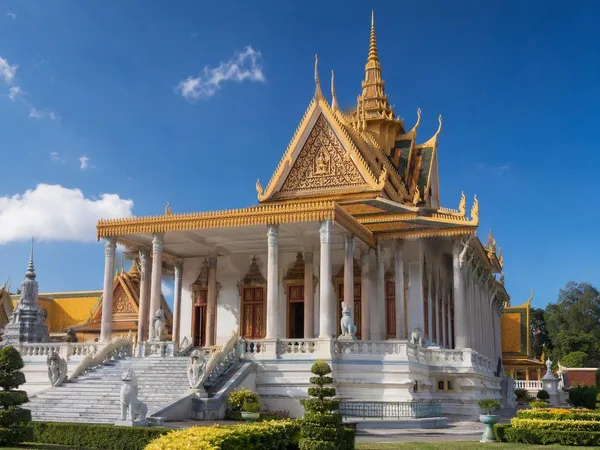
Silver Pagoda
1 linked stories and routes
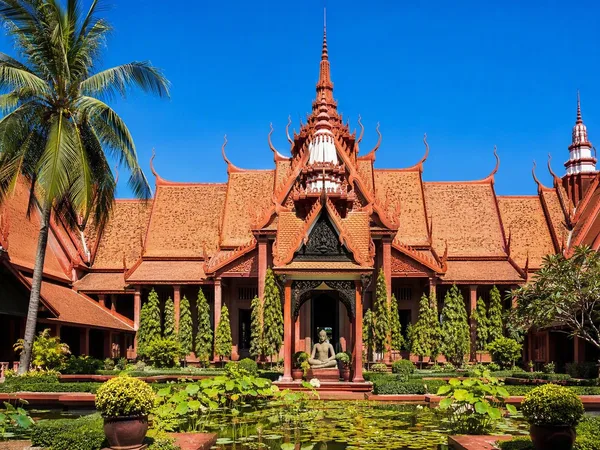
National Museum of Cambodia
1 linked stories and routes
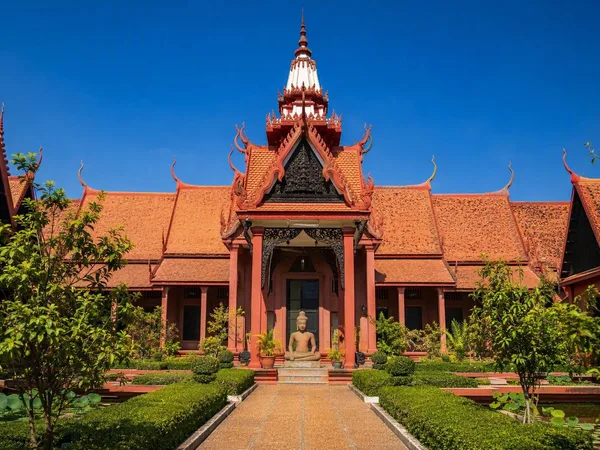
National Museum of Cambodia
1 linked stories and routes
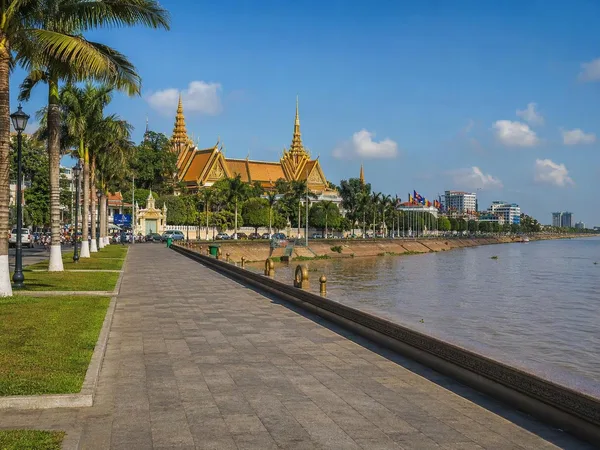
Sisowath Quay
1 linked stories and routes