Region · Azerbaijan
Absheron Peninsula
The Absheron Peninsula is the broad Caspian promontory in eastern Azerbaijan that contains Baku and reaches about 60 kilometres into the sea. It is a working landscape of dry steppe, salt lakes, oil infrastructure, old settlements and a protected coastal tip.
The lay of the land
Absheron is not a single resort or town: it is the peninsula around Baku, extending east into the Caspian Sea. Its southern shore holds the capital; the wider peninsula also includes Sumqayit and a spread of villages, industrial areas and coast.
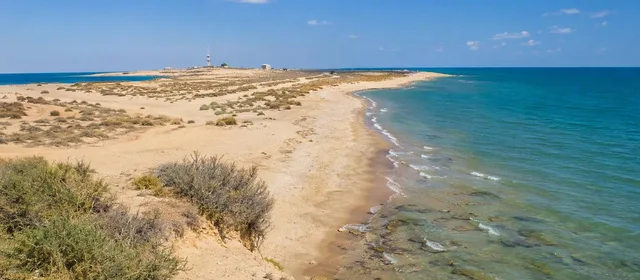
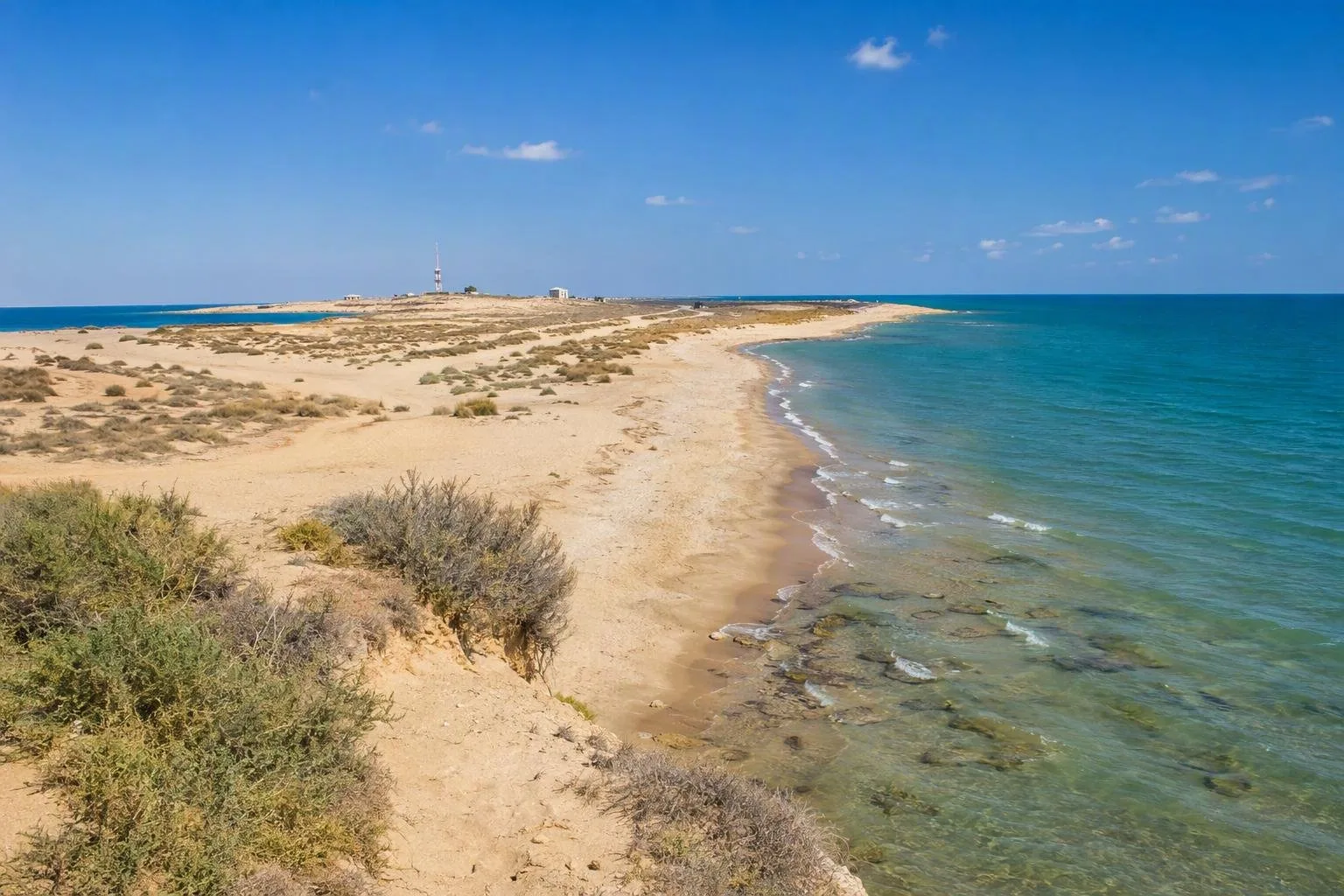
The terrain is mostly low, open and lightly rolling rather than mountainous. Ravines, saline hollows and salt lakes break up the dry plain. At Shah Dili, the sandy eastern tip becomes Absheron National Park, where coastal wetlands and semi-desert meet the Caspian.
What defines Absheron
Oil is part of the geography, not just the history. The peninsula’s oil-bearing strata helped drive Baku’s development, and wells, pipelines and industrial sites remain conspicuous in places. Treat this as a lived-in, productive region rather than an uninterrupted natural landscape.
The other defining element is wind. Absheron is exposed to strong northerly and southerly winds through the year. Carry a windproof layer even when Baku feels warm, and expect exposed shores to feel markedly cooler.
Choose a focused route
The peninsula is too large to cover meaningfully in one outing. Build a day around one direction and a small number of stops.
- Baku waterfront and old core: Start here for the urban Caspian setting, then move east only if you have a clear destination.
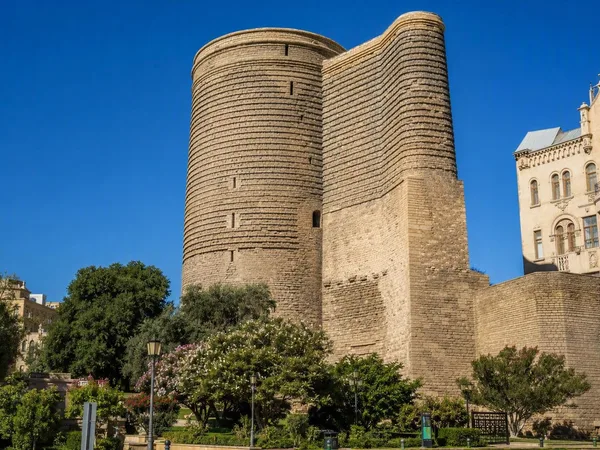
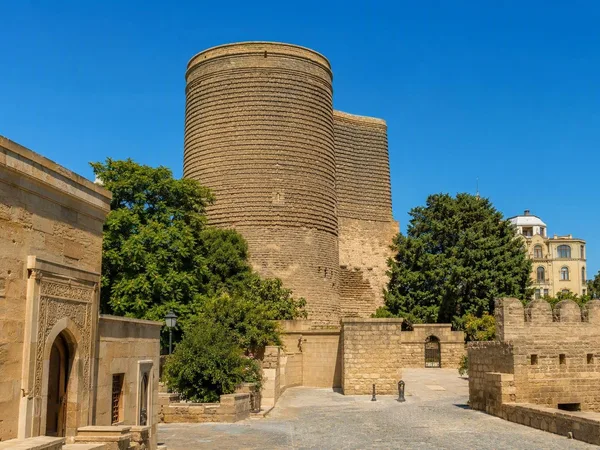
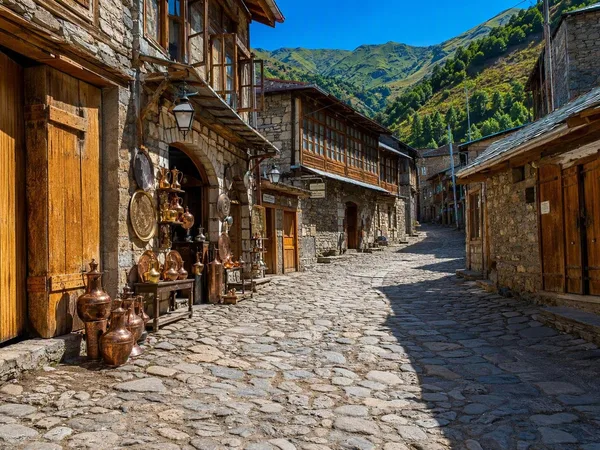
- Fire and village heritage: The peninsula is known for natural-gas fire sites, the Ateshgah Fire Temple and medieval defensive towers at places including Mardakan, Ramana and Nardaran.
- Eastern coast: Shah Dili and Absheron National Park offer the clearest contrast to Baku: sand, saline wetland, sparse vegetation and Caspian shore.
Do not treat these as adjacent walkable sights. Distances, traffic and dispersed development make a car or pre-arranged driver the efficient option beyond central Baku.
Nature at Shah Dili
The national park occupies 783 hectares on the peninsula and protects coastal, wetland and semi-desert habitat. Its recorded wildlife includes Caspian seals, goitered gazelles and waterbirds such as flamingos, swans, ducks and cormorants.
Wildlife is never guaranteed. Go for the coastal landscape and protected habitat first; bring binoculars if birds are the aim. Keep to permitted areas and do not approach animals or enter sensitive wetland ground.
Timing and practicalities
Spring and autumn are the easiest seasons for open-air exploring: conditions are less severe than summer and migratory bird activity may add interest at the coast. Summer is hot and dry; winter can be cold, wet and sharply windy.
Use Baku as the transport base. The peninsula contains the international airport, rail and road links, but local connections are designed around settlements rather than sightseeing circuits. Carry water, sun protection and sturdy shoes for unpaved coastal ground.
From the magazine
Stories about Absheron Peninsula
Editorial stories linked directly to Absheron Peninsula.
No stories about Absheron Peninsula have been published yet.
Routes from our editors
Travel through Absheron Peninsula
Editorial routes connecting Absheron Peninsula with other countries, cities and hotspots.
No routes through Absheron Peninsula have been published yet.
More in Azerbaijan
Related hotspots
Other cities, nature areas and places within Azerbaijan.