Armenia

Stone monasteries and volcanic highlands

Armenia

Medieval monasteries, mountain roads and Yerevan’s café life sit close together in this small Caucasus country.

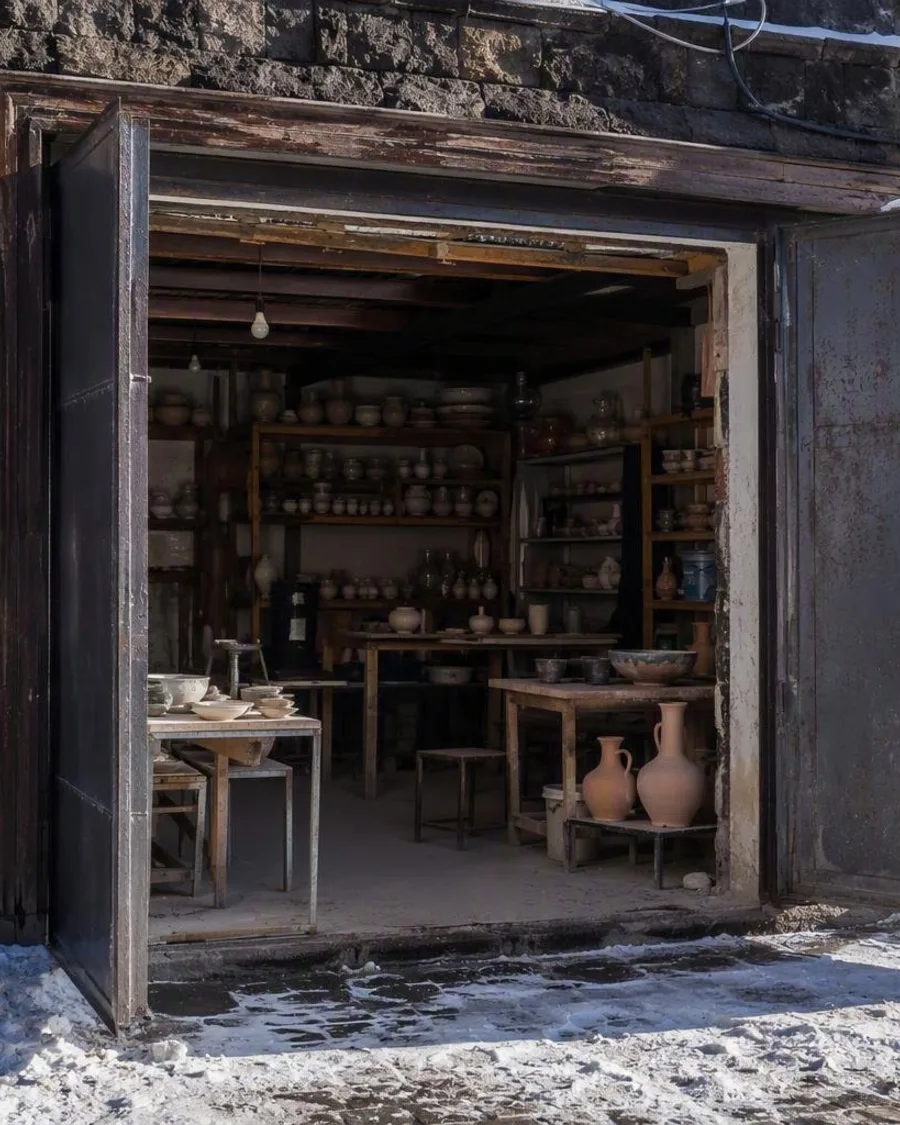
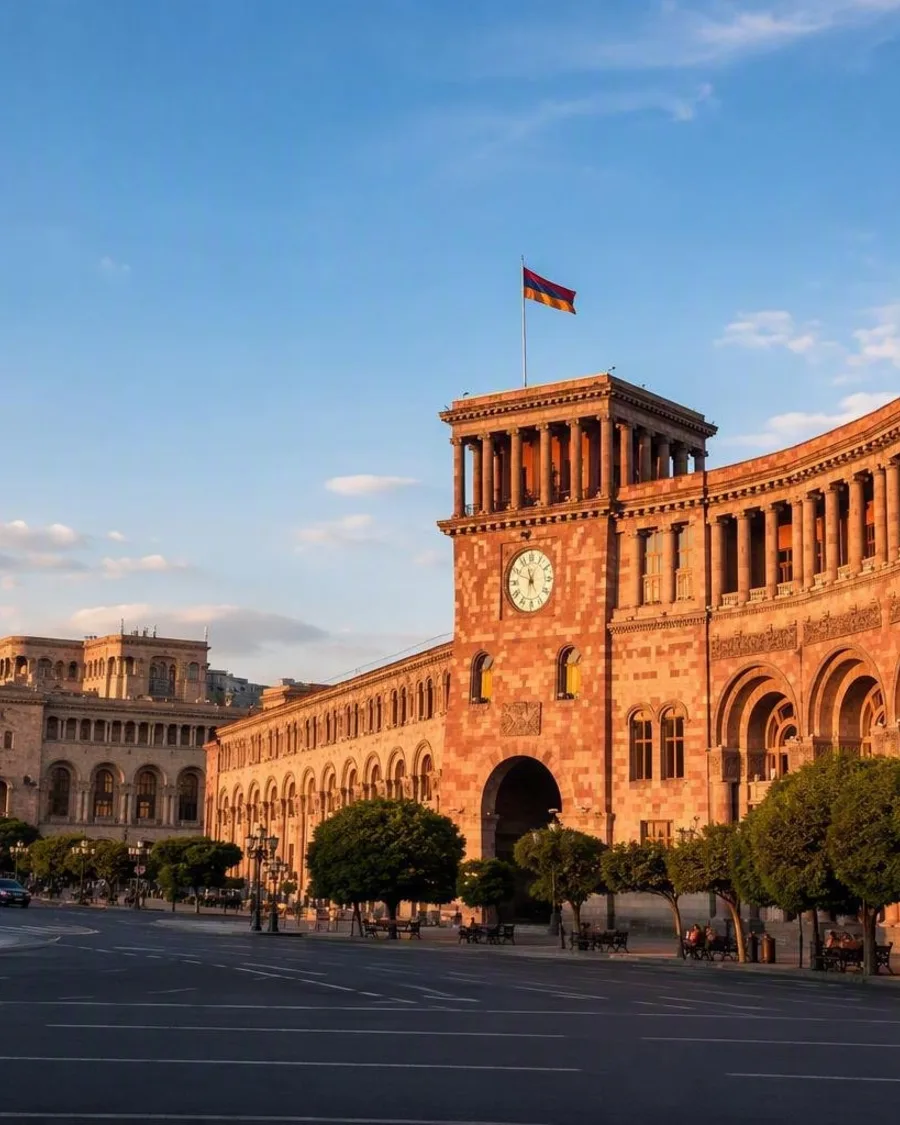
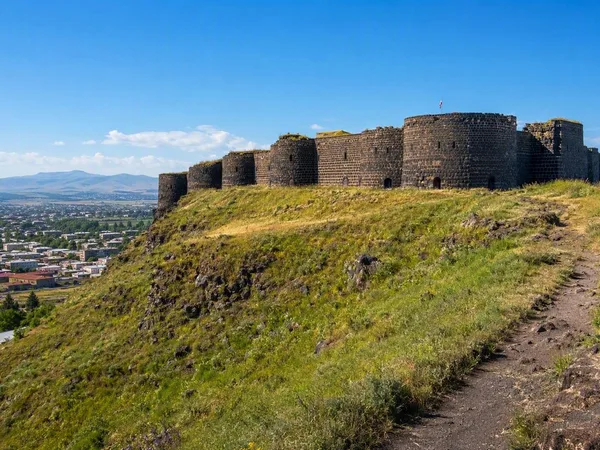
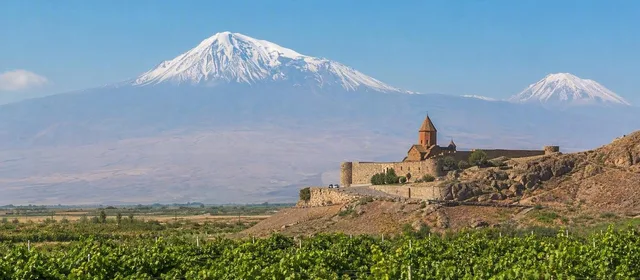
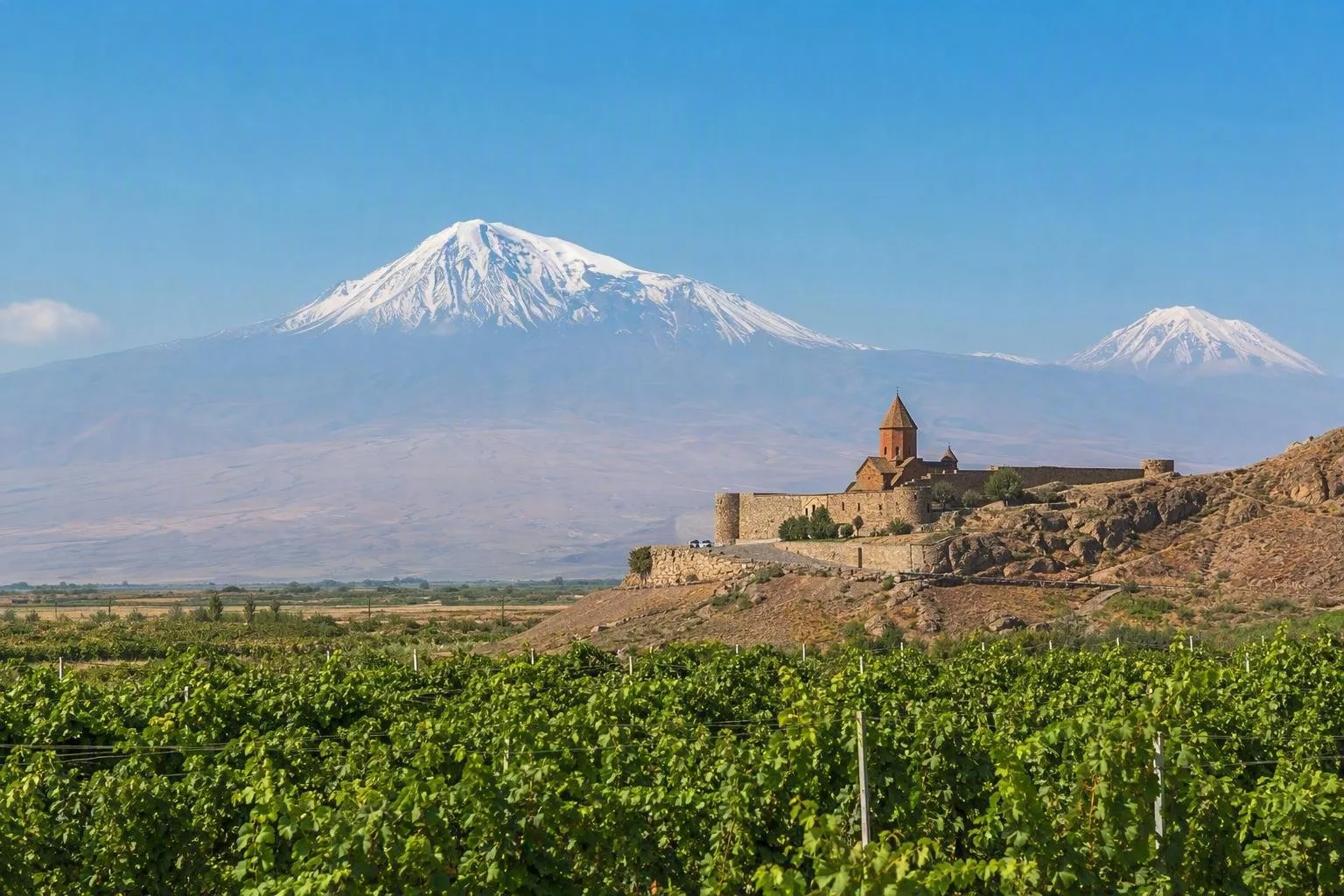
Mount Ararat gives Armenia its clearest image, even though the mountain stands across the border in Turkey. In central Yerevan, its snowy cone rises beyond apartment blocks and pink-tuff buildings. At Khor Virap, it stands behind the monastery walls and vineyards of the Ararat plain. Armenians have made it a national symbol, and the view helps explain why faith, landscape and history so often sit side by side here. Armenia adopted Christianity in the early fourth century. Stone churches still stand on ridges, in gorges and at the edge of villages. Priests baptise children in old monasteries, while bakers slap lavash onto the hot walls of clay tonirs. In Yerevan, people fill pavement cafés beneath Soviet-era buildings.

North of the capital, woodland covers the hills around Dilijan. Haghartsin and Goshavank sit among the trees, far from Yerevan’s broad avenues and busy squares. South of the city, the road through Vayots Dzor passes red cliffs, vineyards and Areni wine cellars before it reaches Noravank. Lake Sevan then changes the view again, with wide open water and cold air at high altitude. In villages and cemeteries, khachkars mark the ground: carved stone crosses made by Armenian craftspeople for centuries.

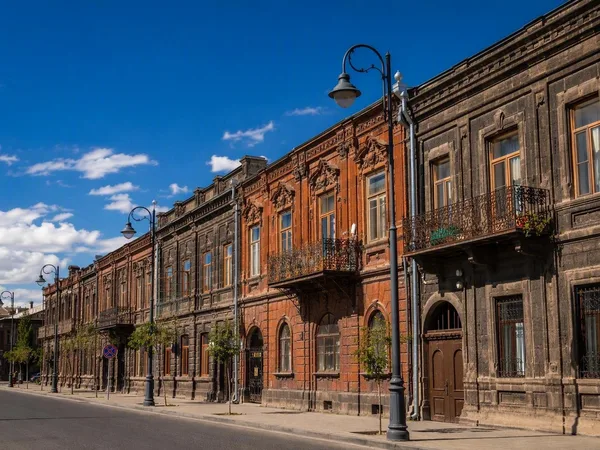
Food keeps the same close link to place. Tables hold grilled meat, herb-filled pastries, apricots, fresh vegetables and trout from Sevan. Yerevan has galleries, wine bars and markets alongside streets laid out under Russian and Soviet rule. Smaller towns offer family-run guesthouses and restaurants where regional dishes arrive in generous portions. Give Armenia time beyond the capital, then settle in for a meal or a long coffee in Yerevan.

When to go

Best time to travel

Monthly values are indicative average maximum temperatures for Yerevan. Mountain elevation and regional geography create meaningful differences across Armenia, with cooler conditions around Lake Sevan and in higher areas. Monthly values are indicative average maximum temperatures for Yerevan. Mountain elevation and regional geography create meaningful differences across Armenia, with cooler conditions around Lake Sevan and in higher areas.

jan-1°C feb2°C mar10°C apr18°C may24°C jun29°C jul33°C aug32°C sep27°C oct19°C nov10°C dec3°C

Weather in the capital

Practical Armenia

On every country page we show the current weather for the capital.

Yerevan
Morning13°Cpartly cloudy
Afternoon19°Covercast
Evening19°Crain
today21°C / 13°Chigh and low

Current forecast by Open-Meteo

Getting around

Buses and shared minibuses connect Yerevan with major towns. Taxis suit shorter trips, while a rental car gives more freedom for monasteries and rural areas. Passenger trains run on only a few routes.

Paying in Armenia

The Armenian dram is the local currency. Cards are common in Yerevan, but cash is useful in villages, markets and small restaurants. The capital has plenty of ATMs and exchange offices.

Where to stay

Yerevan has the widest choice of hotels, hostels and apartments. Dilijan, Lake Sevan and towns in Vayots Dzor have smaller hotels and guesthouses. Rural stays often include home-cooked meals.

Before you leave

Worth knowing

A practical starting point for your trip. Check current conditions and local information before you leave.

01

Official language

Armenian is the official language. Russian is also widely understood, and tourism businesses increasingly use English.

02

Armenian alphabet

Mesrop Mashtots created the Armenian alphabet around 405. Its modern form has 39 letters, which appear on signs across the country.

03

Calling code

Armenia’s international calling code is +374.

04

Driving side

Traffic drives on the right. Most vehicles have the steering wheel on the left.

05

Measurements

Armenia uses the metric system. Road distances are shown in kilometres, and weights use grams and kilograms.

06

Tipping

Some restaurants add a service charge to the bill. If there is no service charge, around 10% is customary for good table service.

07

Meal times

Lunch often falls between 1pm and 3pm. Dinner commonly starts from 7pm, while cafés and casual restaurants tend to keep flexible hours.

08

Business hours

Many shops open around 10am and close at 8pm or later. Banks and offices usually keep weekday business hours, while markets often open earlier.

09

Cards outside Yerevan

Card payments are less reliable outside Yerevan and larger towns. Carry cash for village shops, roadside stalls and small restaurants.

10

Paying public transport fares

Yerevan has unified ticket options for municipal transport. Elsewhere, payment methods vary, and regional buses or minibuses often collect fares on board.

11

Taxis and apps

GG and Yandex Go operate in Yerevan and some other towns. For a street taxi, agree the fare or check that the meter is running before departure.

12

Visiting a home

Bring a small gift, such as sweets or fruit. Follow your host’s lead on shoes, and expect food or drink to appear on the table.

Cities and hotspots

Places worth saving

From city to nature reserve: places with stories, facts and tips.