
Neighbourhood · Venezuela
La Pastora, Caracas
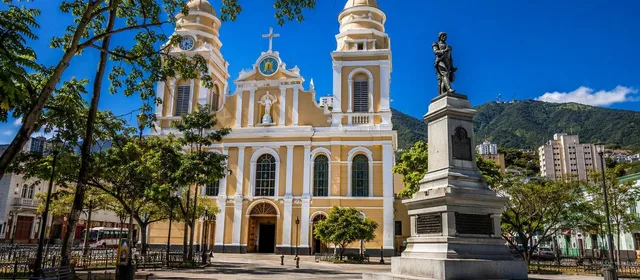
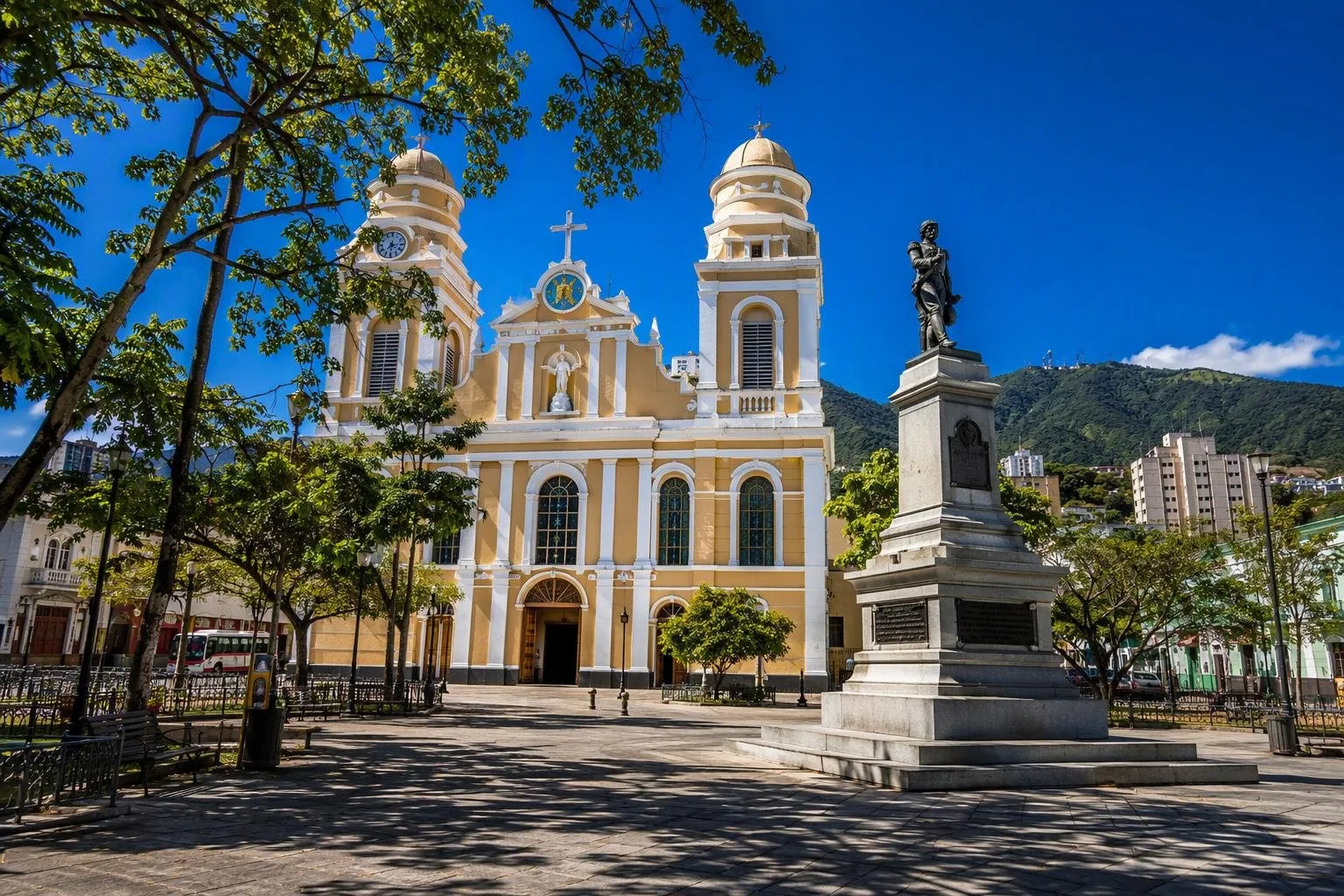
La Pastora is a historic parish-neighbourhood on the northwestern side of central Caracas, at the foot of Waraira Repano. Its compact old core centres on the Divina Pastora church, Plaza José Félix Ribas and the former route from Caracas to La Guaira.
Orientation
La Pastora sits north-west of Caracas’s historic centre, between the city and the slopes of Waraira Repano. It is an administrative parish as well as a lived-in neighbourhood, so think of it as a broad urban district rather than a single preserved quarter.
The most walkable historic nucleus gathers around Plaza José Félix Ribas, commonly called Plaza La Pastora, and Iglesia de la Divina Pastora. Streets rise and narrow as they head toward Puerta de Caracas and the mountain foothills; allow for slopes, uneven surfaces and a slower pace than the central grid.
Start at the plaza
The church and square give La Pastora its clearest focal point. The present church was completed in 1889, the year La Pastora became a separate civil and ecclesiastical parish. Its name comes from devotion to the Divina Pastora.
Use the plaza as a practical starting point for a short circuit through the old core:
- Study the church facade from the square, then follow the surrounding streets for traditional houses with high windows, timber doors and tiled roofs.
- Look for the surviving small-scale fabric rather than expecting a continuous colonial streetscape; modern buildings and dense residential areas are part of La Pastora too.
- Pause at the square before continuing uphill or toward the older access route into the city.
History underfoot
La Pastora was the Caracas end of the Camino de los Españoles, the old route across Waraira Repano toward the port at La Guaira. The route was in use by the early seventeenth century and made this area a historic gateway to the capital.
Two worthwhile heritage stops add substance to a walk:
- Puente Carlos III, a stone bridge over the Catuche ravine, preserves part of the old urban route.
- Museo Arturo Michelena, in the painter’s former home and studio, opened as a museum in 1963. Confirm current opening arrangements locally before making it the centrepiece of a visit.
La Pastora is also closely associated with José Gregorio Hernández. A house-museum dedicated to the physician stands between San Andrés and Desbarrancados, near places connected with his life in the neighbourhood.
Getting there and around
Public transport links La Pastora with other parts of Caracas. The Petare–La Pastora service runs via Chacao and the Libertador and Urdaneta avenues; Puerta Caracas and San Ruperto services connect with corridors including Avenida Baralt. Metrobus services also stop at Plaza Miranda on Avenida Baralt.
For a first visit, arrive at the plaza area and explore on foot rather than trying to cover the whole parish. The district extends well beyond its historic core and changes character quickly.
Useful approach
This is a residential district, not an open-air museum. Keep the visit focused on public streets, the plaza and confirmed public venues. For mountain routes from Puerta Caracas or Catuche, use an organised local route or obtain current access information first; these paths lead into the national-park foothills rather than a signed city promenade.
From the magazine
Stories about La Pastora, Caracas
Editorial stories linked directly to La Pastora, Caracas.
No stories about La Pastora, Caracas have been published yet.
Routes from our editors
Travel through La Pastora, Caracas
Editorial routes connecting La Pastora, Caracas with other countries, cities and hotspots.
No routes through La Pastora, Caracas have been published yet.
More in Venezuela
Related hotspots
Other cities, nature areas and places within Venezuela.
Caracas
3 linked stories and routes
Chacao
1 linked stories and routes
Chuao, Caracas
1 linked stories and routes
La Castellana, Caracas
1 linked stories and routes
Los Palos Grandes, Caracas
1 linked stories and routes
Carora
1 linked stories and routes
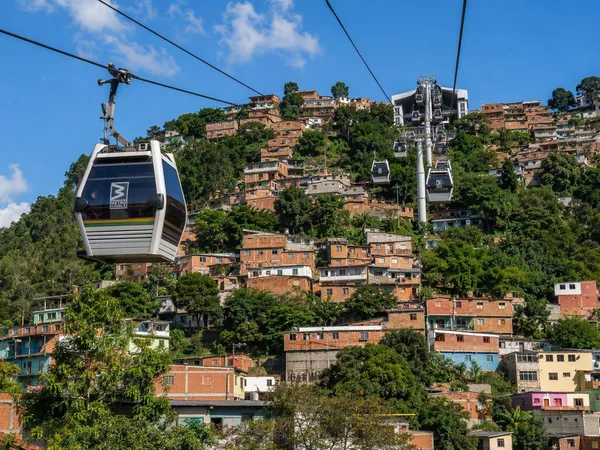
San Agustín, Caracas
1 linked stories and routes
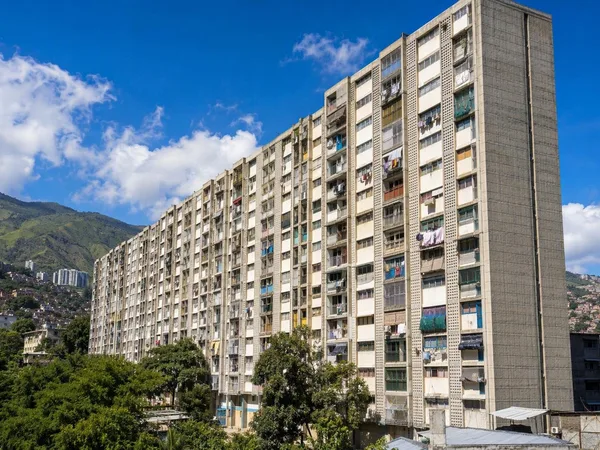
23 de Enero, Caracas
1 linked stories and routes
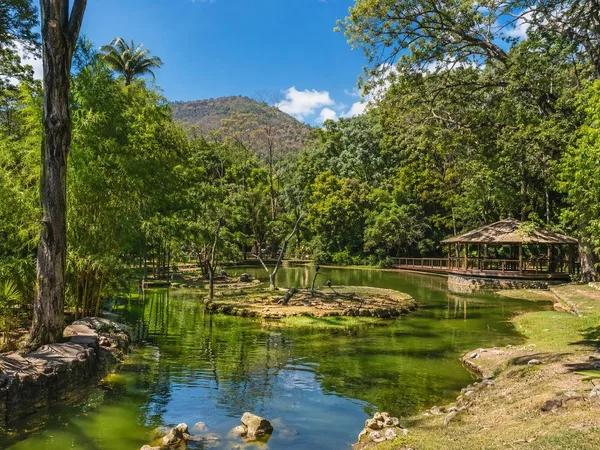
Caricuao, Caracas
1 linked stories and routes
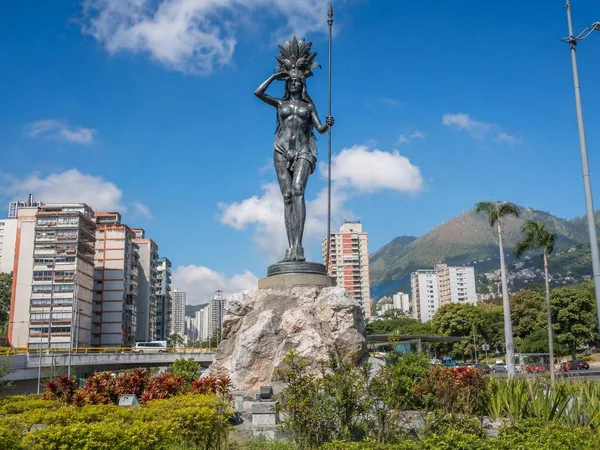
El Paraíso, Caracas
1 linked stories and routes
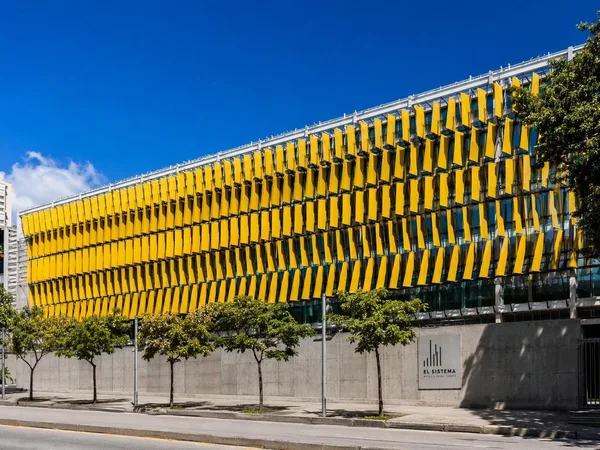
Quebrada Honda, Caracas
1 linked stories and routes
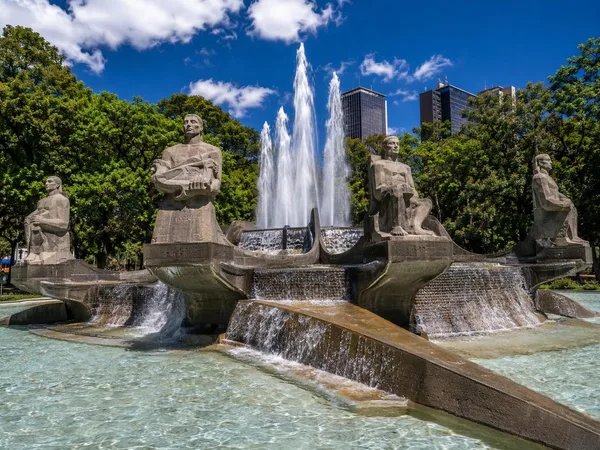
Parque Los Caobos
1 linked stories and routes