
City · Venezuela
Carora
Carora is the seat of Torres Municipality in Lara state, western Venezuela, set on the Morere River. Its compact colonial core, cathedral and unusually important early connection to El Sistema give the city a clear cultural focus.
Orientation
Carora sits in Lara state, roughly 420 metres above sea level, on the Morere River. It is the administrative seat of Torres Municipality and lies southwest of Barquisimeto. The historic core is the right place to start: it is compact enough to explore on foot, with the cathedral and Plaza Bolívar providing the clearest bearings.
Colonial centre
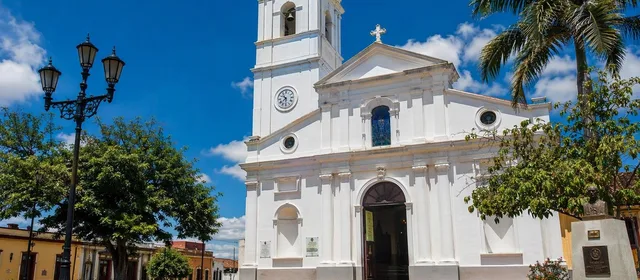
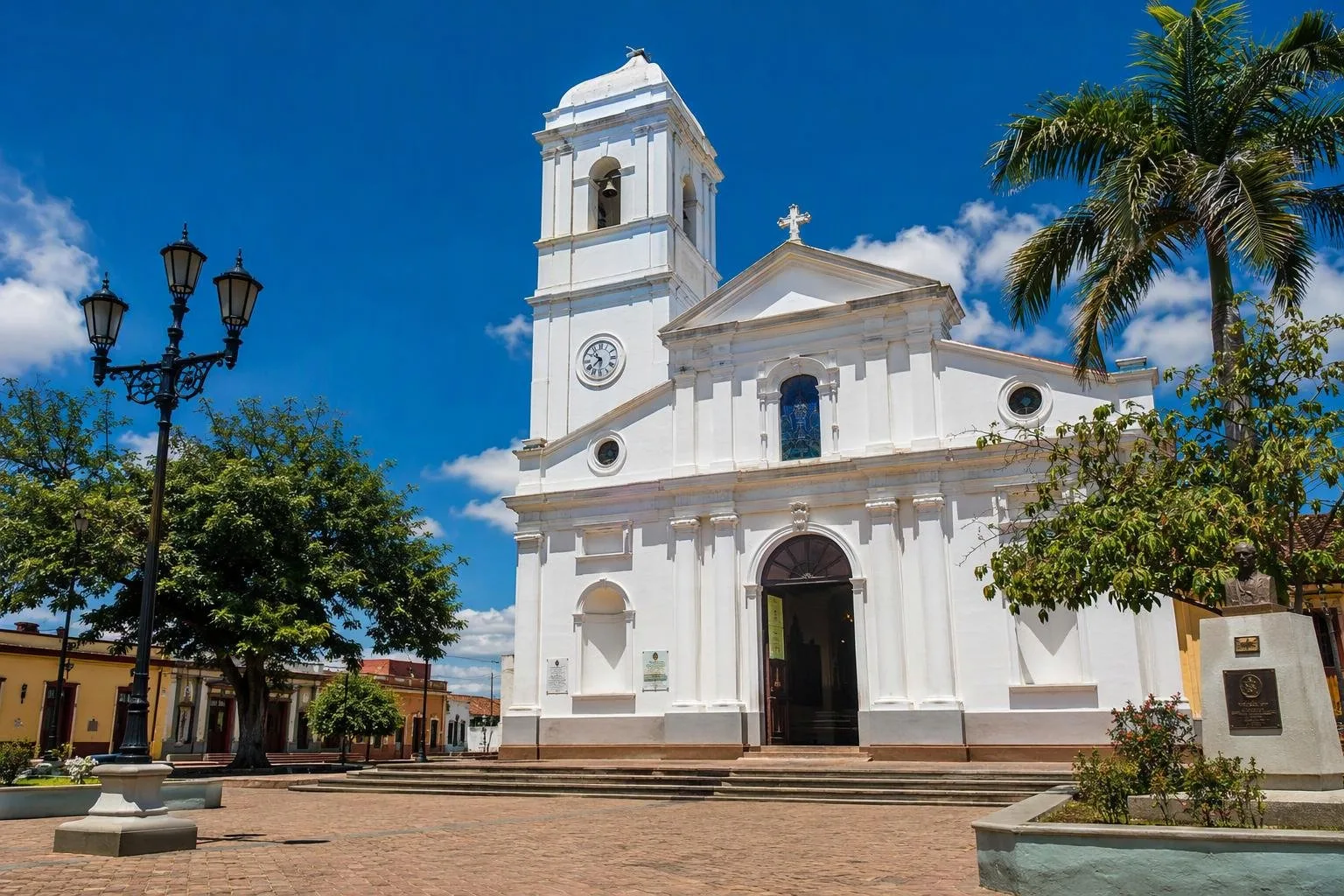
Make the Catedral de San Juan Bautista your anchor. Facing Plaza Bolívar on Calle San Juan, this white church grew over a long period from the early 17th century and combines restrained colonial Baroque with Renaissance details. It became Carora’s cathedral when the Diocese of Carora was established in 1992.
From the square, continue along Calle San Juan and the surrounding streets for the city’s colonial-scale buildings and traditional street pattern. Keep the visit focused on the built fabric rather than treating the centre as an outdoor museum: it is a working city centre, with religious and civic activity concentrated around the plaza.
A music-city footnote that matters
Carora has a real place in the early history of Venezuela’s youth-orchestra movement. In 1975, arts advocate Juan Martínez founded a children’s orchestra here with three Chilean teachers who had worked on a comparable project in Chile. That ensemble and the emerging Caracas orchestra collaborated frequently from 1975 to 1977.
This adds needed context to the familiar Caracas-centred account of El Sistema. The national programme was founded in 1975 around collective orchestral and choral practice; Carora’s children’s orchestra was a parallel, early partner rather than a later imitation.
Food and local character
Carora’s surrounding economy has long been tied to livestock, agriculture and, more recently, grapes and wine. Look for regional goat dishes if they are on a menu, including pata’e grillo, fried shredded goat, and mondongo de chivo, a goat tripe soup. These are substantial meals, not snacks.
The city is also associated with guitarists Alirio Díaz and Rodrigo Riera. If a local cultural programme or concert is taking place during your stay, it is a more direct route into Carora’s musical identity than a generic sightseeing stop.
Getting around
Carora has an airport, but do not build an itinerary around a flight without confirming that service is operating. For the centre, walk between the cathedral, Plaza Bolívar and nearby colonial streets; use a local taxi for distances beyond the core. In the hot, dry conditions, schedule walking for early morning or later afternoon and carry water.
From the magazine
Stories about Carora
Editorial stories linked directly to Carora.
No stories about Carora have been published yet.
Routes from our editors
Travel through Carora
Editorial routes connecting Carora with other countries, cities and hotspots.
No routes through Carora have been published yet.
More in Venezuela
Related hotspots
Other cities, nature areas and places within Venezuela.
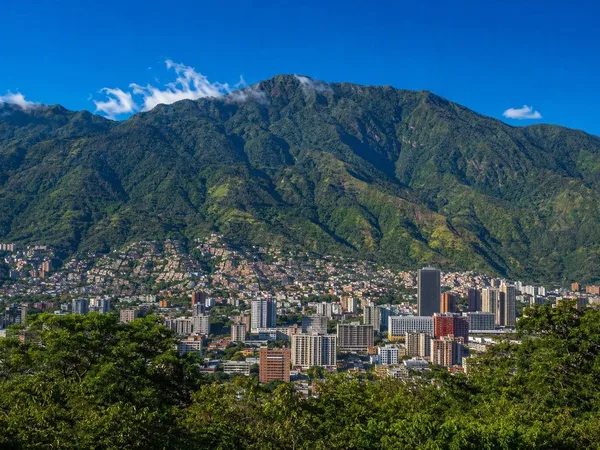
Caracas
3 linked stories and routes
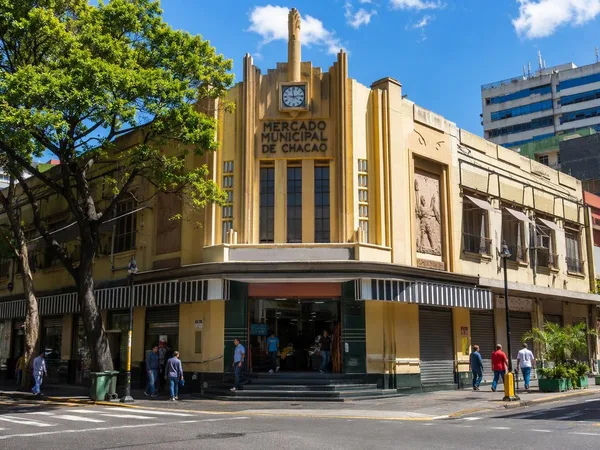
Chacao
1 linked stories and routes
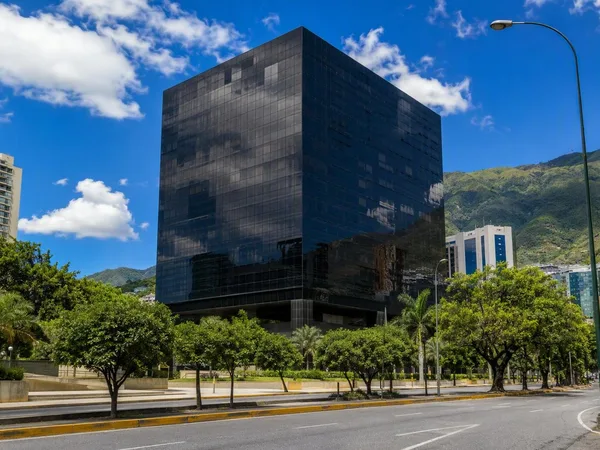
Chuao, Caracas
1 linked stories and routes
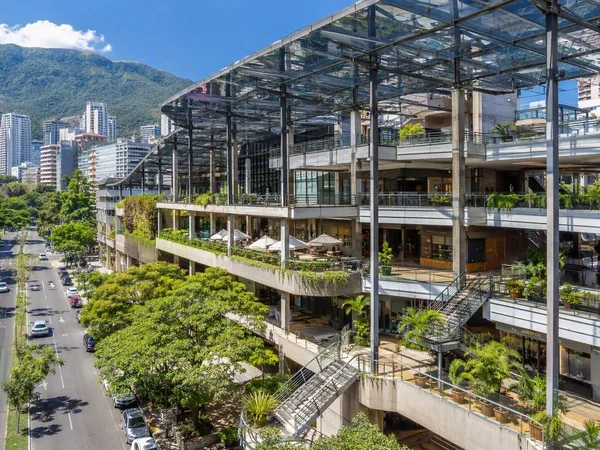
La Castellana, Caracas
1 linked stories and routes
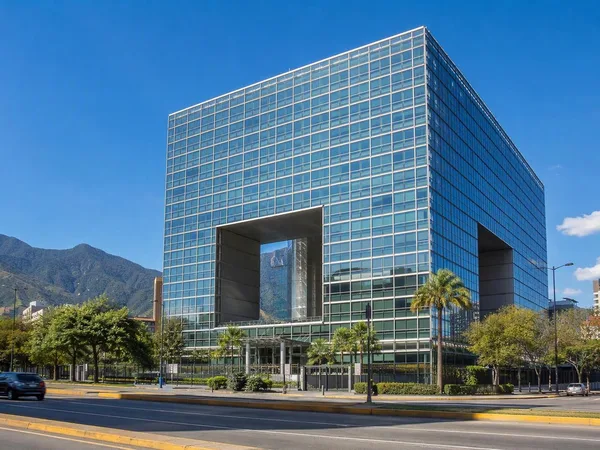
Los Palos Grandes, Caracas
1 linked stories and routes
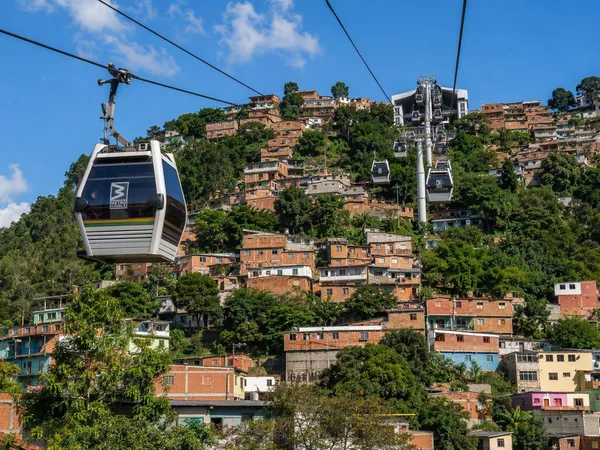
San Agustín, Caracas
1 linked stories and routes
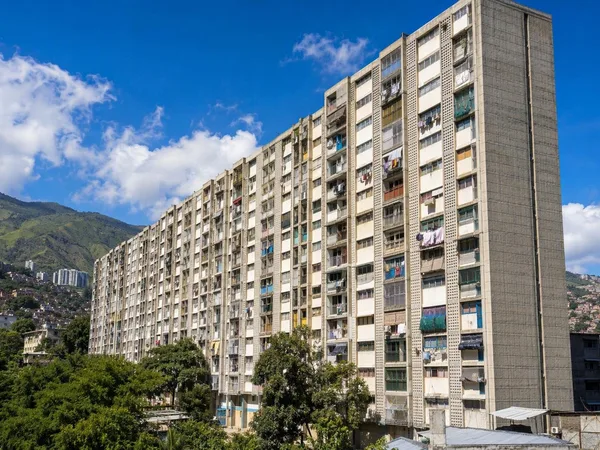
23 de Enero, Caracas
1 linked stories and routes
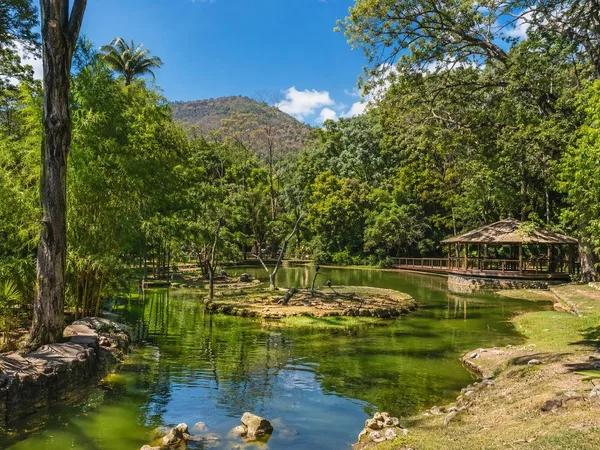
Caricuao, Caracas
1 linked stories and routes
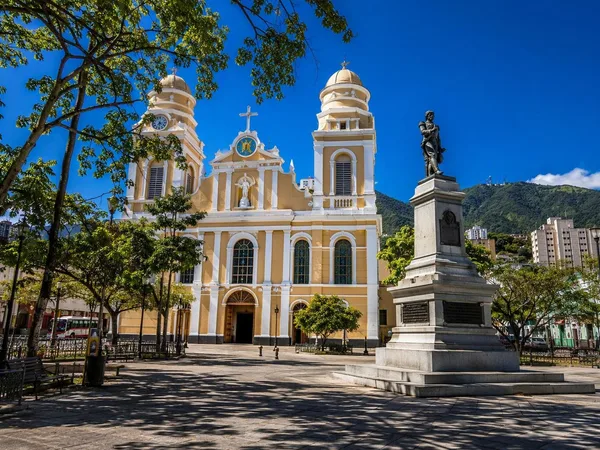
La Pastora, Caracas
1 linked stories and routes
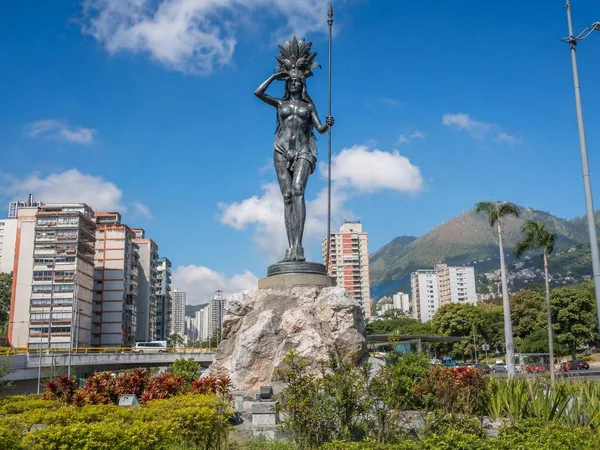
El Paraíso, Caracas
1 linked stories and routes
Quebrada Honda, Caracas
1 linked stories and routes
Parque Los Caobos
1 linked stories and routes