Neighbourhood · Venezuela
La Castellana, Caracas
La Castellana is a compact residential, commercial and cultural neighbourhood in Chacao, east Caracas. It is a practical base for contemporary architecture, performing arts and Venezuelan breakfast food.
Orientation
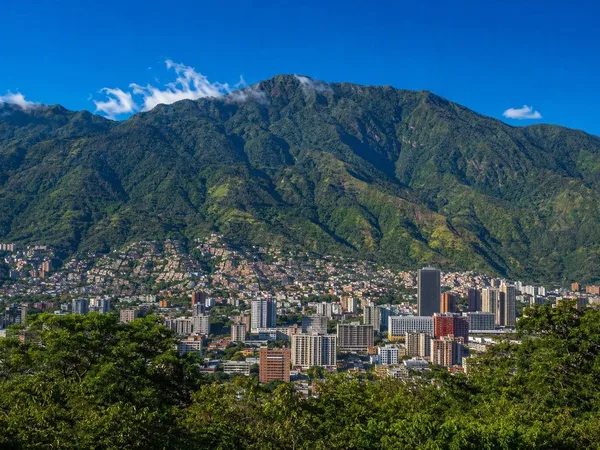
La Castellana is an urbanización in Chacao, on the eastern side of Caracas. It covers roughly 98 hectares between Altamira to the east, Campo Alegre and the Caracas Country Club to the west, Chacao to the south and El Ávila National Park to the north.
This is not a historic quarter or a single attraction. It is a compact district of offices, residences, restaurants and cultural venues, best approached as a short, targeted walk. Avenida Blandín, Avenida Eugenio Mendoza, Avenida Mohedano and Avenida Los Chaguaramos are useful reference streets.
Start at Plaza La Castellana
Plaza Isabel la Católica, commonly called Plaza La Castellana, is the district’s clearest meeting point. The renovated square has benches, lighting and pedestrian paths; it also faces the Centro Cultural de Arte Moderno (CCAM).
Use the plaza as the hinge for a simple circuit:
- Walk around the square and look north toward the Ávila foothills.
- Check the CCAM programme for exhibitions, theatre, concerts and other live events.
- Continue west or south toward the commercial core around Avenida Blandín.
The CCAM occupies a building designed by Tomás Lugo and Edmundo Díkiez. Its exhibition spaces, concert hall, experimental room and open areas make it the neighbourhood’s strongest cultural stop. Entry and ticket arrangements depend on the programme.
Centro San Ignacio
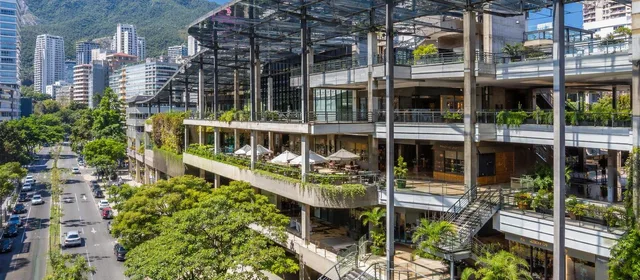
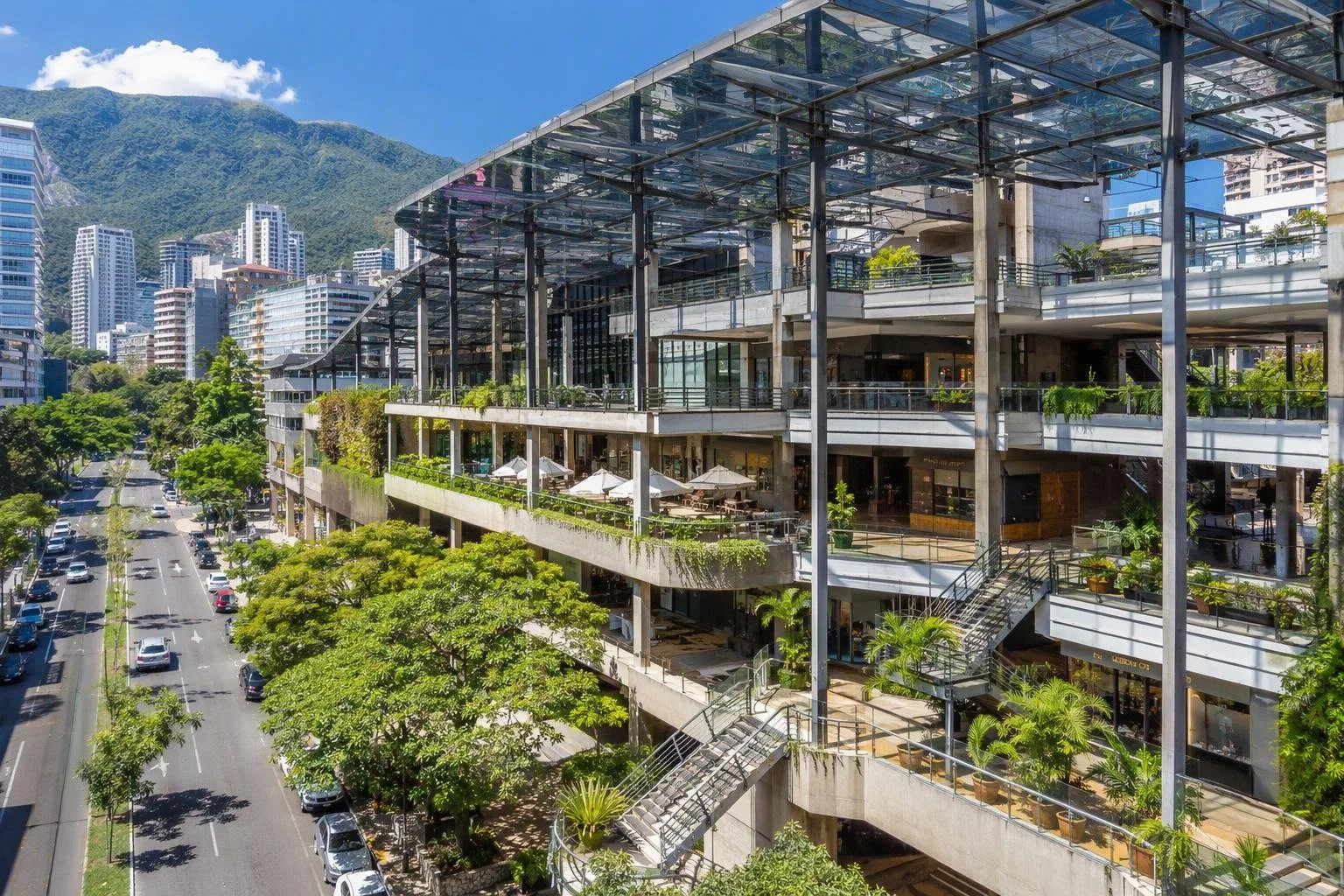
Centro San Ignacio, at Avenida Blandín and Santa Teresa de Jesús, is a mixed office-and-retail complex designed by Carlos Gómez de Llanera and Moisés Benacerraf. Its defining feature is the open vertical layout: walkways sit under a reflective glazed pergola rather than inside a sealed mall.
Go here for a concentrated choice of cafés, restaurants, shops, services and fitness facilities. It also has 24-hour parking. The architecture is worth a look even if shopping is not the aim: natural light, planted areas and multiple levels give the complex a distinctly late-20th-century Caracas character.
Venezuelan breakfast and casual meals
For a direct introduction to Venezuelan corn cooking, Bucare on Avenida Los Chaguaramos serves arepas and cachapas alongside tender maize bollitos with nata and grated white cheese. It is useful for breakfast, but its menu also extends to dishes such as pabellón criollo and asado negro.
Elsewhere in the neighbourhood, restaurants and cafés concentrate around the main avenues and Centro San Ignacio. This is a business-oriented district, so weekday lunch is generally its most active meal period.
Getting around
La Castellana does not have its own Metro station. Chacao and Altamira stations on Line 1 are the practical rail access points, both reached on foot from the district’s southern and eastern edges. Taxis or pre-arranged cars are more efficient for door-to-door travel, especially when carrying purchases or attending an evening performance.
The roads are busy and the neighbourhood is largely car-oriented. Keep crossings deliberate, use established pedestrian routes around the plaza and commercial complex, and plan evening journeys directly rather than wandering between quieter office streets.
From the magazine
Stories about La Castellana, Caracas
Editorial stories linked directly to La Castellana, Caracas.
No stories about La Castellana, Caracas have been published yet.
Routes from our editors
Travel through La Castellana, Caracas
Editorial routes connecting La Castellana, Caracas with other countries, cities and hotspots.
No routes through La Castellana, Caracas have been published yet.
More in Venezuela
Related hotspots
Other cities, nature areas and places within Venezuela.