
Neighbourhood · Venezuela
23 de Enero, Caracas
23 de Enero is a residential parish and modernist housing district in western Caracas, Venezuela. Its monumental apartment blocks, built in the 1950s as the Urbanización 2 de Diciembre, remain its defining urban landscape.
Orientation
23 de Enero occupies hills west of central Caracas in Libertador Municipality. It is a lived-in residential district rather than a conventional visitor precinct: the terrain, local services and housing blocks are the point. The parish includes sectors such as Monte Piedad, La Cañada, Zona Central, El Observatorio and Zona F.
The district’s identity is inseparable from its name. It was originally built as Urbanización 2 de Diciembre under Marcos Pérez Jiménez, then renamed for 23 January 1958, the date of his overthrow. It became a separate parish in 1966.
The housing complex
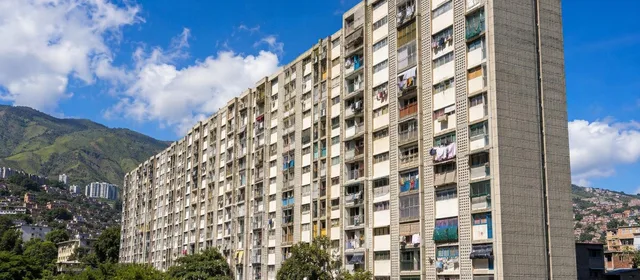
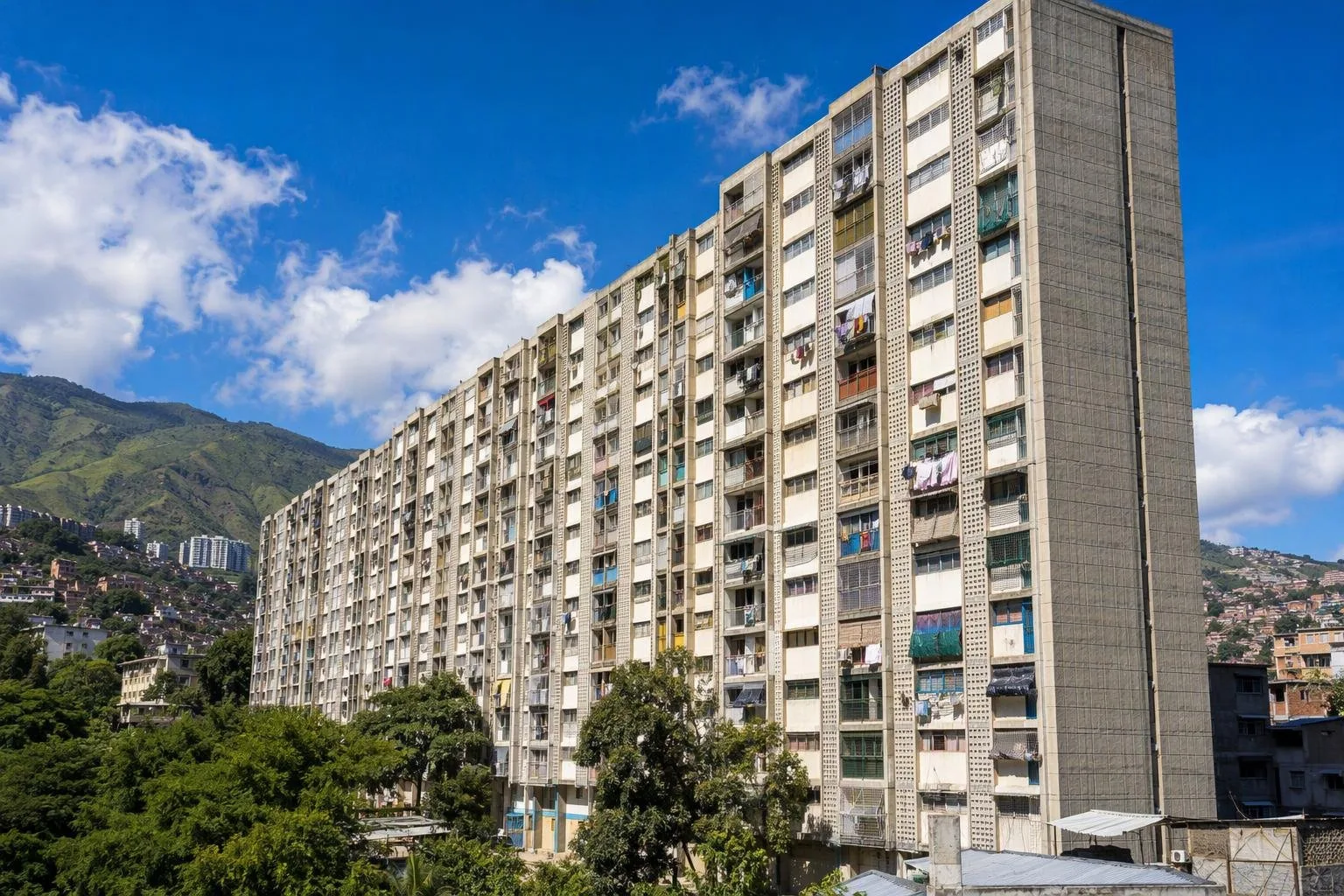
Look at the built form rather than treating the area as a collection of isolated sights. The 1955–57 plan, designed for the Banco Obrero by Carlos Raúl Villanueva, José Hoffmann and José Mijares, arranged housing over terraces and around pedestrian routes, schools, shops and civic facilities.
Its signature is the sequence of long, concrete superblocks: 38 high-rise blocks, supplemented by lower blocks. The original scheme contained 9,176 dwellings. Their scale, repeated rectangular profiles and hillside setting make this one of Caracas’s clearest surviving statements of state-led modernist housing.
For a useful read of the layout, keep to public streets and open spaces around the blocks. The contrast between the planned towers and later neighbourhood growth on the slopes explains more than a quick photograph of a façade.
Historic and civic landmarks
The parish contains the Cuartel de la Montaña, also known as Cuartel 4F, in Monte Piedad. The former military complex became a museum and mausoleum associated with Hugo Chávez. It is a politically charged site with security controls; treat access and photography rules as site-specific.
Other local reference points include Teatro Cristo Rey and the libraries at La Cañada and Cristo Rey. They are neighbourhood facilities, not a packaged heritage circuit.
Getting there and moving around
23 de Enero is close to the Agua Salud Metro station, east of the blocks; from there, the internal streets climb and spread across the parish. Distances that look short on a map can involve steep grades. Arrange a known local driver for direct trips rather than arriving without a route plan.
On foot: keep walks purposeful and in daylight. The blocks are private homes: do not enter residential corridors, stairwells or courtyards without an invitation.
Essential access and safety
This is not a place for unplanned exploration. Venezuela travel advice warns of violent crime, kidnapping, political volatility and unreliable public services. Use pre-arranged transport, carry identification, avoid displaying a phone or camera, and do not photograph military or strategic installations. Avoid demonstrations, security lines and political gatherings. Conditions and access can change quickly.
From the magazine
Stories about 23 de Enero, Caracas
Editorial stories linked directly to 23 de Enero, Caracas.
No stories about 23 de Enero, Caracas have been published yet.
Routes from our editors
Travel through 23 de Enero, Caracas
Editorial routes connecting 23 de Enero, Caracas with other countries, cities and hotspots.
No routes through 23 de Enero, Caracas have been published yet.
More in Venezuela
Related hotspots
Other cities, nature areas and places within Venezuela.
Caracas
3 linked stories and routes
Chacao
1 linked stories and routes
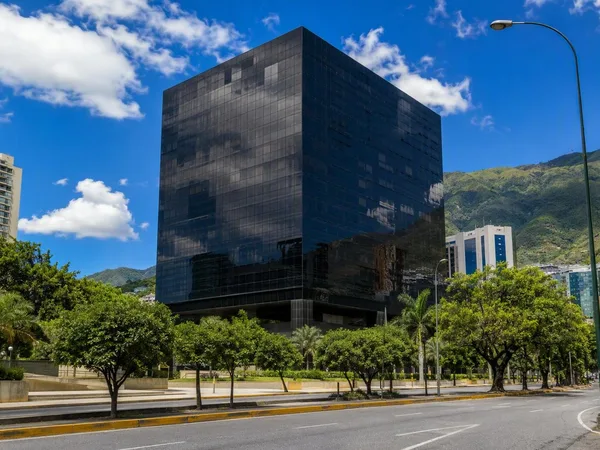
Chuao, Caracas
1 linked stories and routes
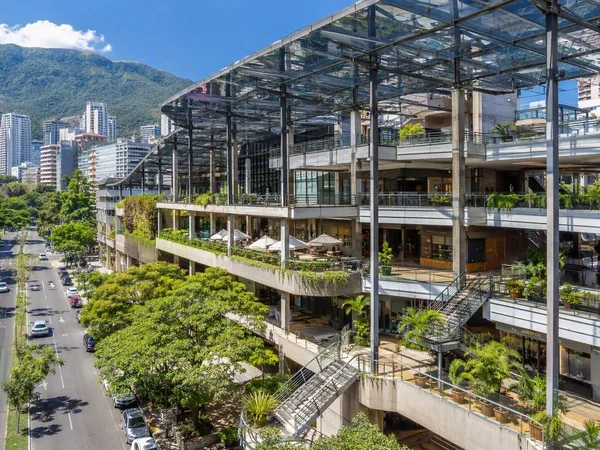
La Castellana, Caracas
1 linked stories and routes
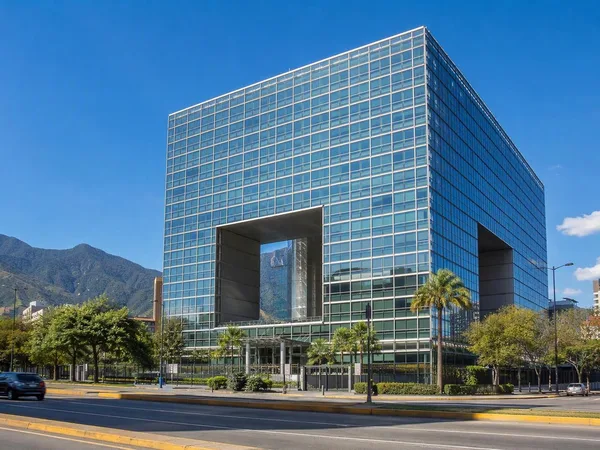
Los Palos Grandes, Caracas
1 linked stories and routes
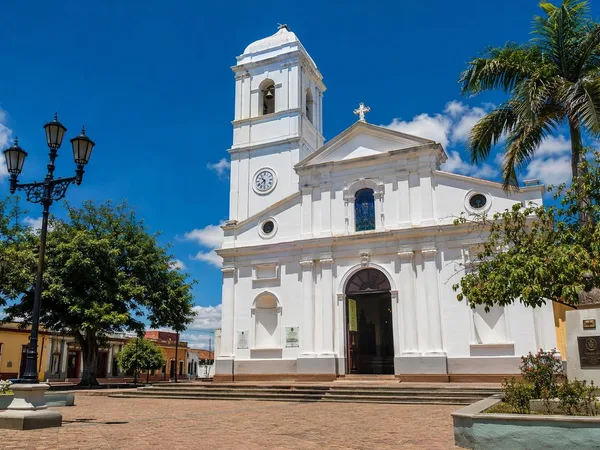
Carora
1 linked stories and routes
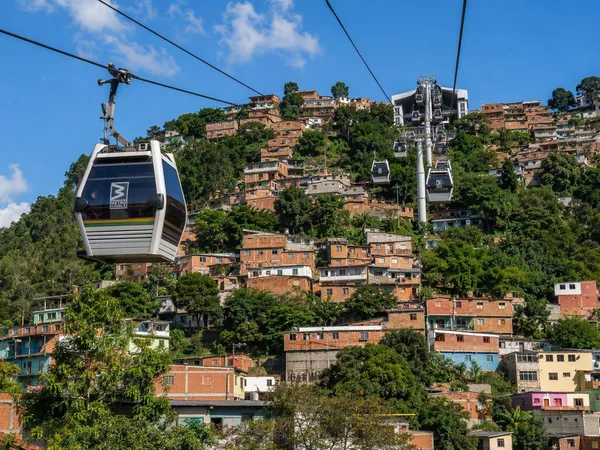
San Agustín, Caracas
1 linked stories and routes
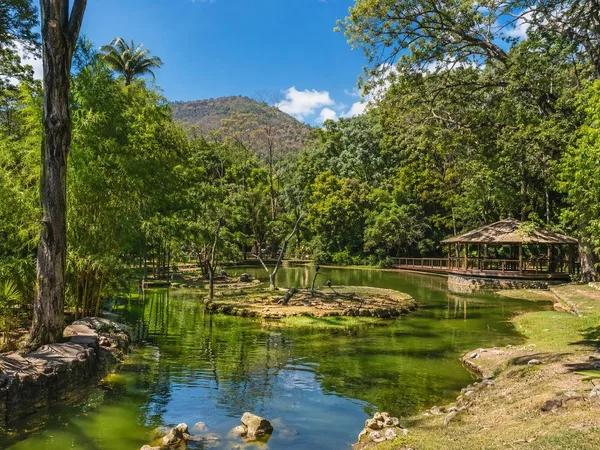
Caricuao, Caracas
1 linked stories and routes
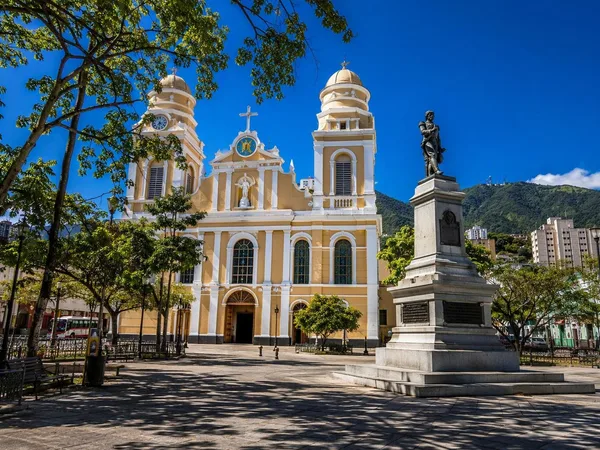
La Pastora, Caracas
1 linked stories and routes
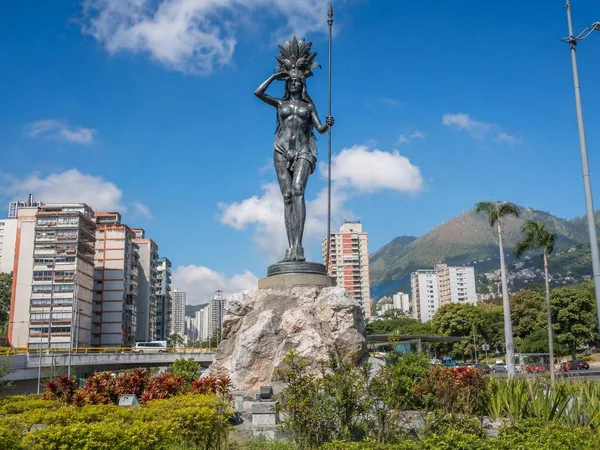
El Paraíso, Caracas
1 linked stories and routes
Quebrada Honda, Caracas
1 linked stories and routes
Parque Los Caobos
1 linked stories and routes