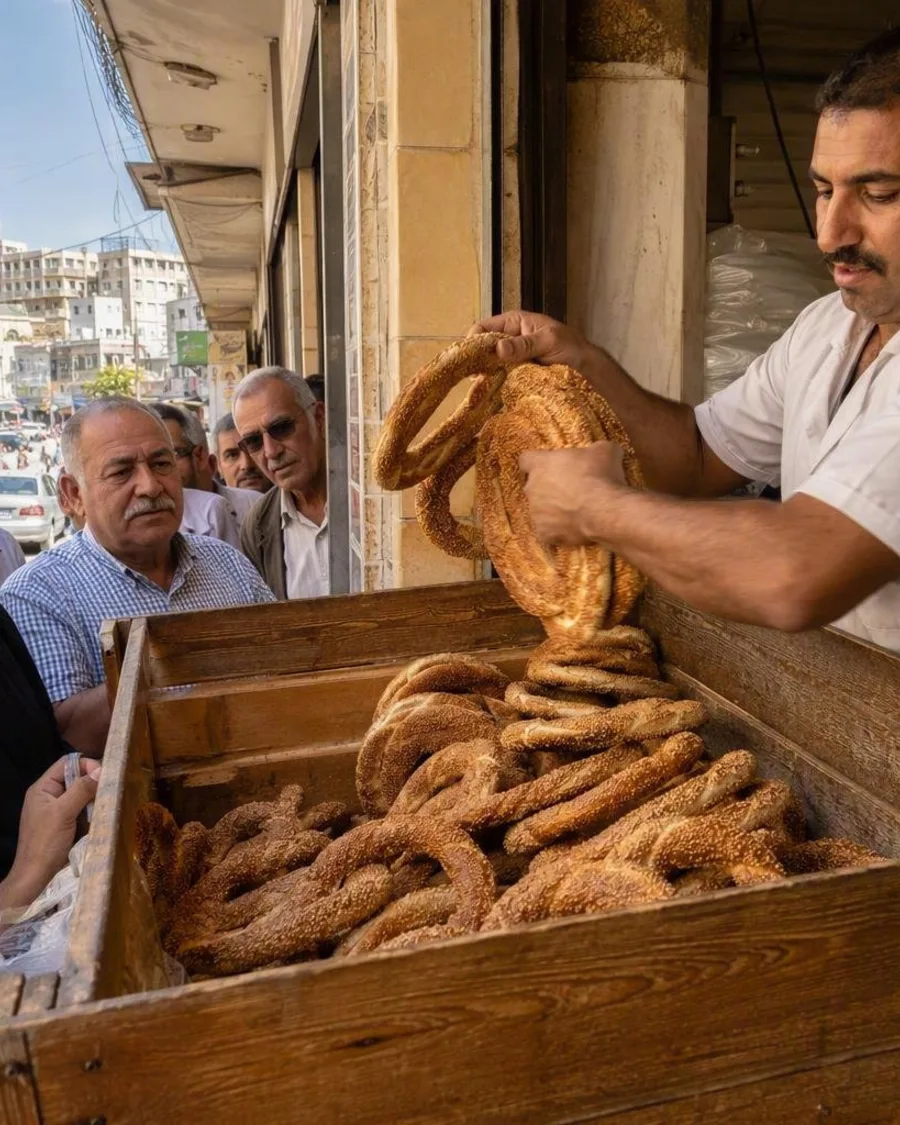
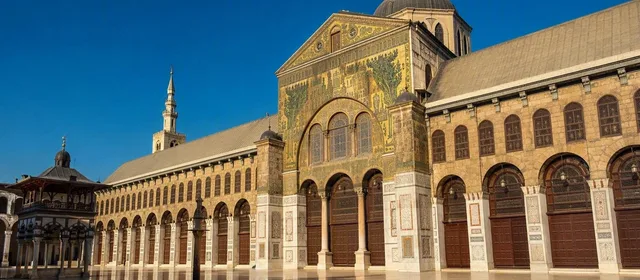
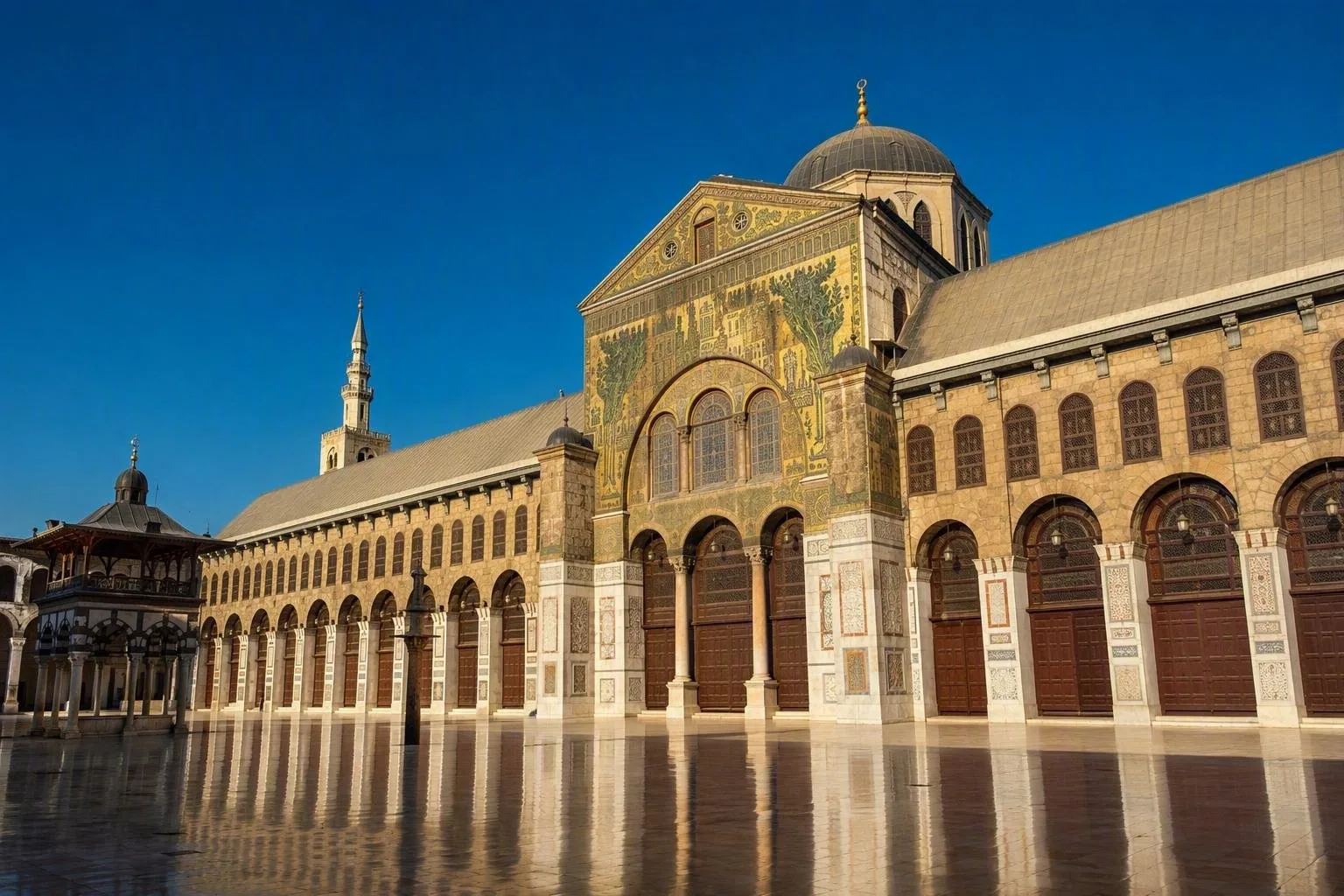
Damascus gives a strong reason to look beyond the headlines. At the Umayyad Mosque, worshippers cross a marble courtyard beneath mosaics and striped stone façades. A short walk away, vendors sell spices, cloth and sweets beneath the vaulted roof of Souq al-Hamidiyah. Roman masonry, early Islamic monuments, Ottoman houses and modern streets sit side by side in the old centre. Years of war brought immense loss and damaged historic places across Syria, but the country’s long cultural record remains visible in its cities, buildings and food.
Aleppo’s Citadel rises above one of the world’s oldest continuously inhabited cities. Mosques, churches, caravanserais and workshops fill the surrounding quarters. Fighting damaged or destroyed many buildings, though restoration has reopened parts of the old city and its covered market.
At Palmyra, columns and funerary towers mark a desert trading centre that connected the Roman world with lands farther east. Near the Lebanese border, Krak des Chevaliers stands above green valleys. On the Mediterranean coast, pine-covered hills lead down to fishing ports. Syrian kitchens bring these places together in kibbeh, stuffed vine leaves, muhammara and pistachio pastries. Look closely at the old cities and the table, and Syria offers a lasting welcome through the people who keep these traditions in daily use.