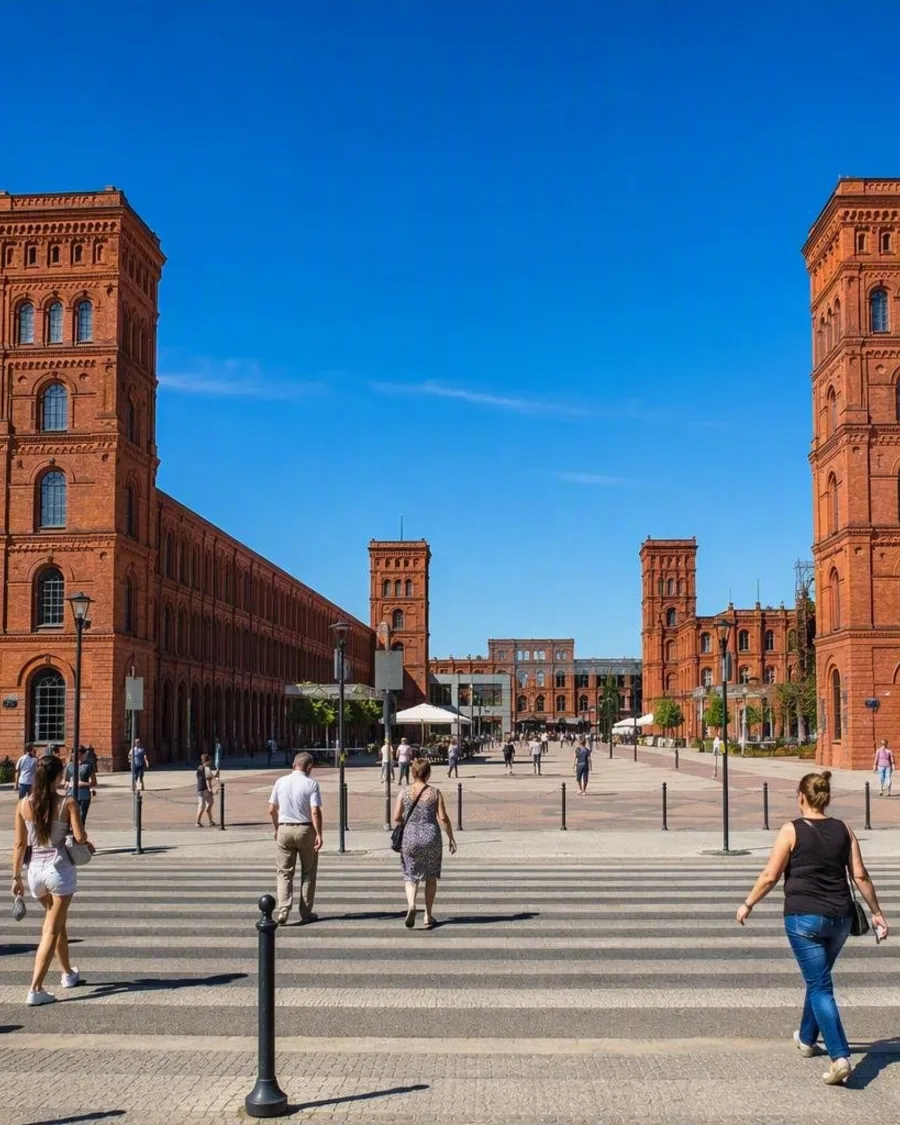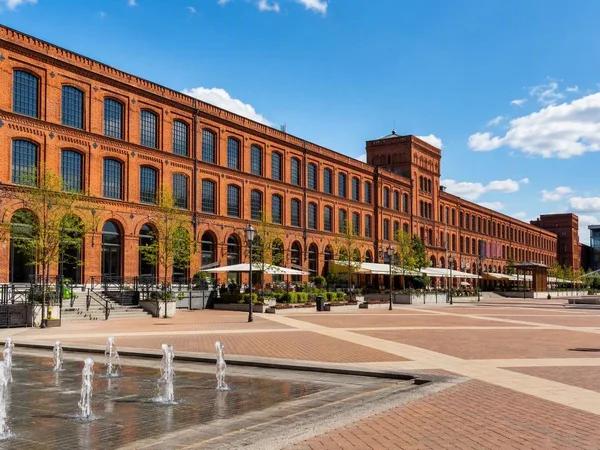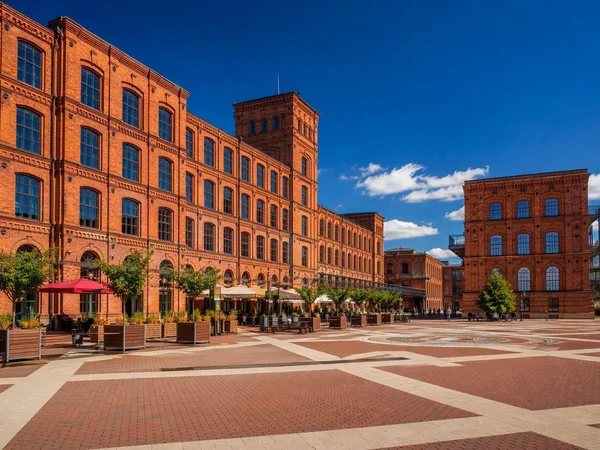
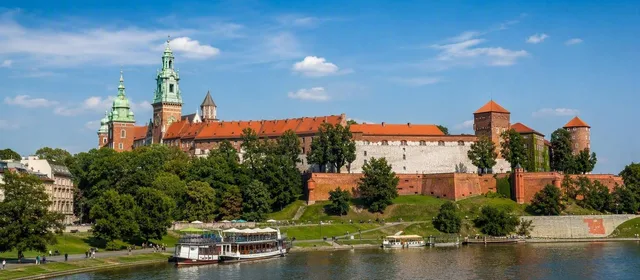
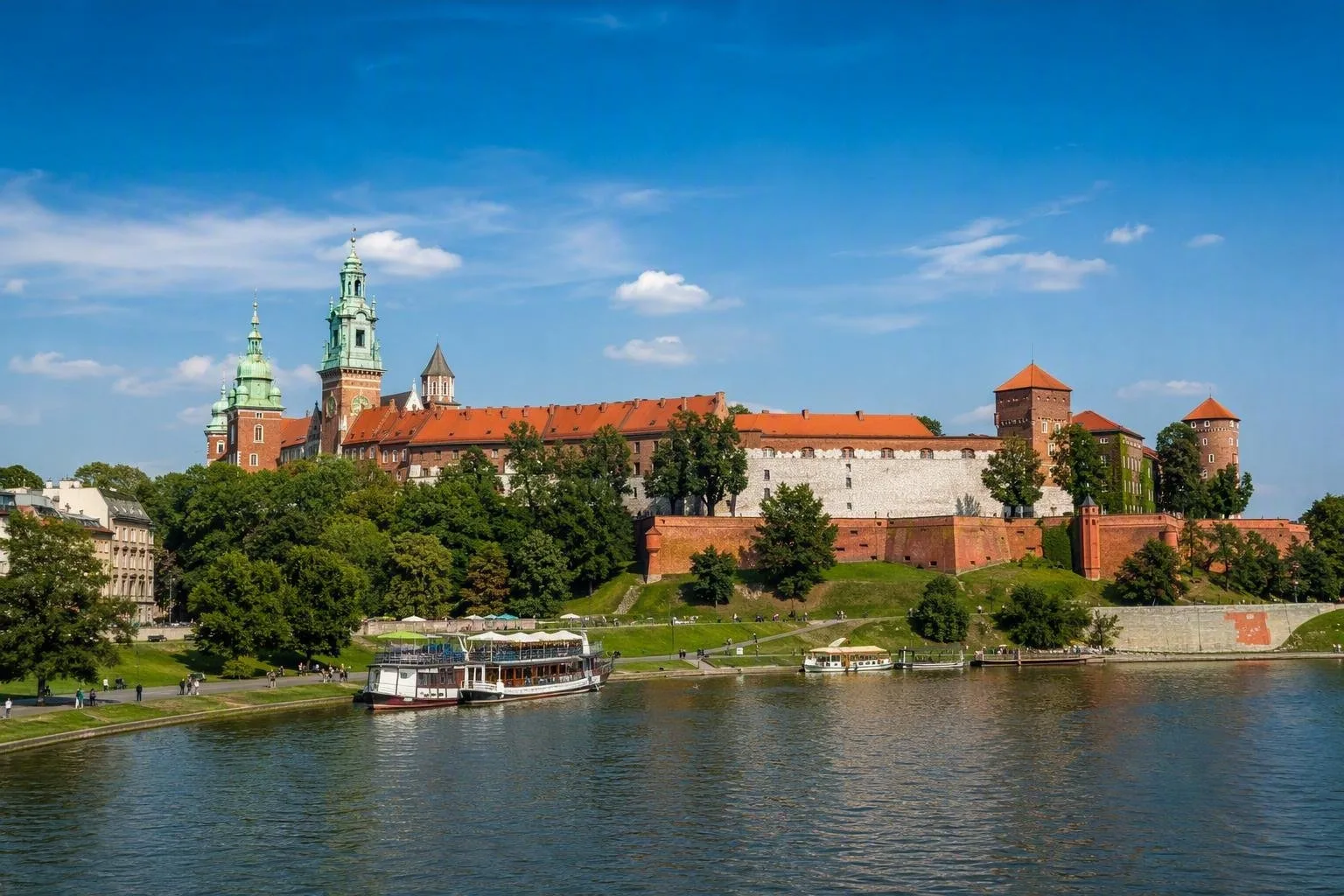
Look beyond Poland’s postcard squares and you find places that still show the hard work of rebuilding, industry and daily life. Wawel Castle rises above the Vistula in Kraków, where medieval lanes run past churches, university buildings and busy cafés. Warsaw offers a sharper contrast. Residents rebuilt its Old Town after the Second World War, but glass office towers, museums and converted factory sites now fill other parts of the capital. The city’s streets make the gap between the past and the present plain to see.
North of Warsaw, Gdańsk combines narrow merchant houses, brick warehouses and the cranes of its historic shipyard. The city’s waterfront recalls its Hanseatic past, while the shipyard marks the birthplace of the Solidarity movement. West and east of the cities, quieter ground takes over. Long sandy beaches line the Baltic coast, and Masuria has lakes, woods and small towns linked by country roads. In Białowieża Forest, ancient lowland woodland shelters European bison.
The south looks and feels different again. Zakopane fills quickly in holiday periods, but trails soon climb into the granite ridges of the Tatra Mountains. Back in town, smoke from grilled oscypek cheese and the smell of hearty soups meet hikers coming down from the slopes.
Food provides a useful route into ordinary Polish life. Order pierogi filled with potato and cheese, cabbage and mushrooms, or summer fruit. Try a bar mleczny for simple, inexpensive staples, then stop at a bakery for poppy-seed cake or a pączek. Give Poland time beyond its landmark castles and central squares; its forests, shipyards, mountain paths and lunch tables are worth knowing too.