
Sight · Malta
City Gate
City Gate is Valletta’s principal landward entrance: a contemporary cut through the fortified walls at the head of Republic Street. It is the practical starting point for walking into Malta’s capital.
The entrance to Valletta
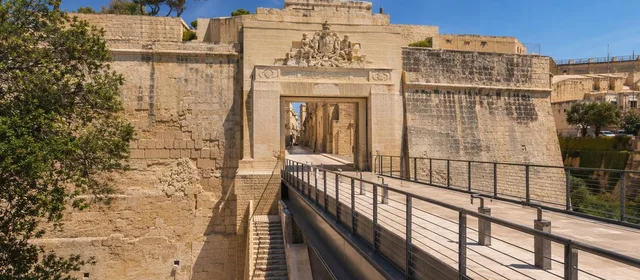
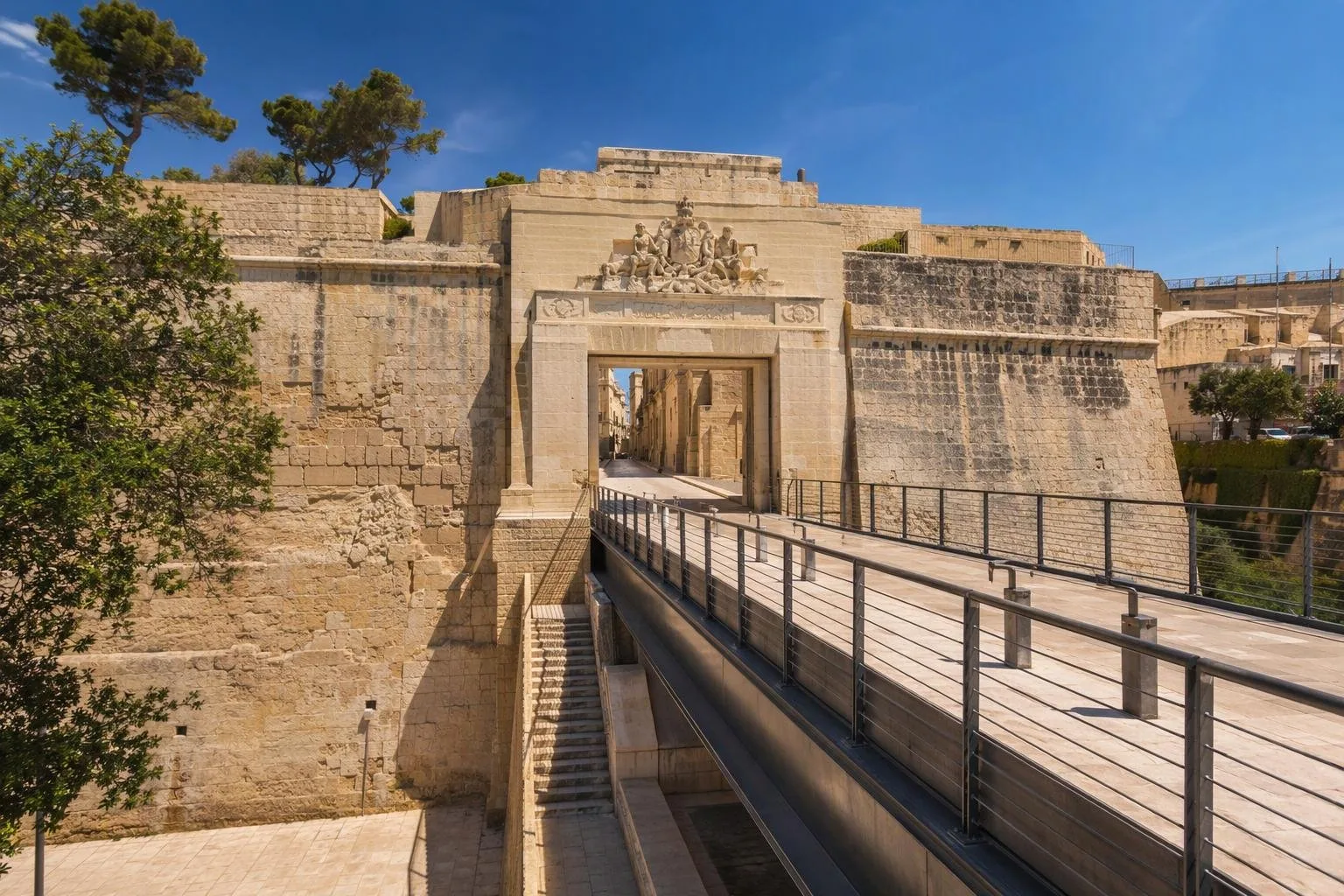
City Gate, known in Maltese as Bieb il-Belt, sits in the Porta Reale Curtain between St James’ and St John’s Bastions. A bridge carries you over the deep ditch from the Floriana side and directly into Valletta’s street grid.
This was the city’s exposed landward front. Grand Harbour and Marsamxett Harbour protected the peninsula’s flanks; here, the fortifications had to stop an army approaching overland. The gate is therefore best read as part of a defensive system, not as an isolated monument.
What you are looking at
The present gate was completed in 2014 to a design by Renzo Piano. It is deliberately not an ornamental arch: a narrow, open-to-the-sky breach cuts through the massive limestone walls, while tall steel elements mark the join between old fortification and modern intervention.
Pause on the bridge before entering. The compressed crossing makes the depth of the ditch and the scale of the bastions legible. Once inside, the broad side stairs rise beside the gate and reveal the walls from a different level.
Five gates, one site
The entrance has been remade repeatedly. The first gate, Porta San Giorgio, was begun in 1566 and completed in 1569 during Valletta’s foundation. It was later known as Porta Reale, then replaced by a more elaborate seventeenth-century gate, a British-era Kingsgate, and a twentieth-century modernist version.
Piano’s gate is the fifth at this point. Its stripped-back form restores attention to the curtain wall and ditch rather than competing with them.
Orient yourself here
Ahead: Republic Street begins at the gate and runs through the city toward Fort St Elmo.
Outside the walls: Triton Fountain and Valletta’s main bus terminus are immediately on the Floriana side.
Beside the gate: St James’ and St John’s Cavaliers flank the land front. The Parliament building and the former Royal Opera House site are part of the same redevelopment zone.
Practical use
Treat City Gate as a passage and a viewpoint rather than a ticketed attraction. Allow 10–15 minutes to cross the bridge, inspect the stone-and-steel junctions and take the side stairs, then continue along Republic Street.
The bridge and surrounding paving are the most direct accessible route into Valletta. The city beyond is compact but steep in places, with steps on many side streets.
From the magazine
Stories about City Gate
Editorial stories linked directly to City Gate.
No stories about City Gate have been published yet.
Routes from our editors
Travel through City Gate
Editorial routes connecting City Gate with other countries, cities and hotspots.
No routes through City Gate have been published yet.
More in Malta
Related hotspots
Other cities, nature areas and places within Malta.
Valletta
2 linked stories and routes
Floriana
2 linked stories and routes
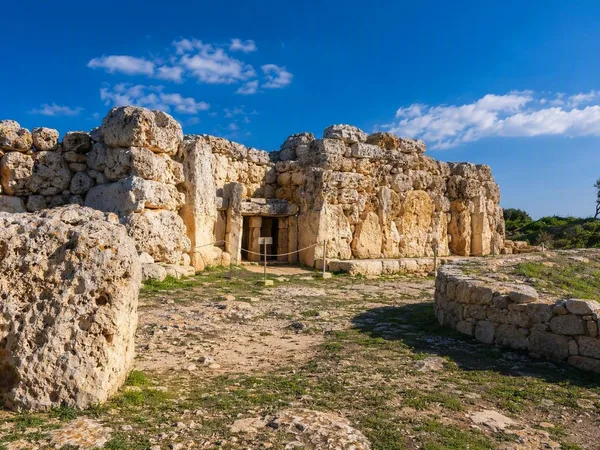
Gozo
1 linked stories and routes
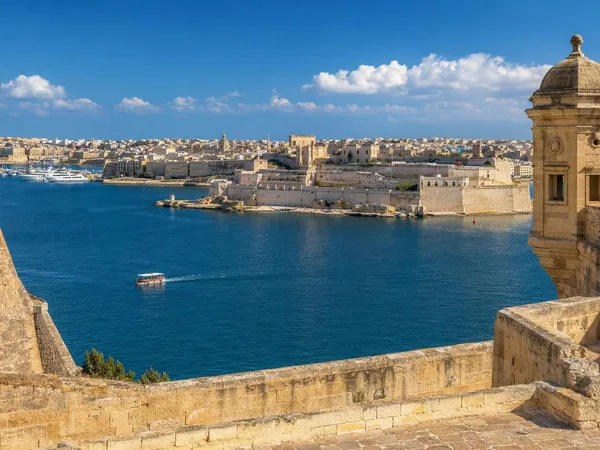
Grand Harbour
1 linked stories and routes
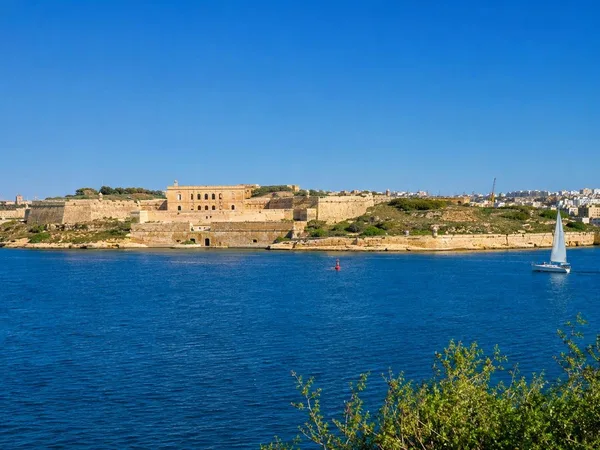
Marsamxett Harbour
1 linked stories and routes
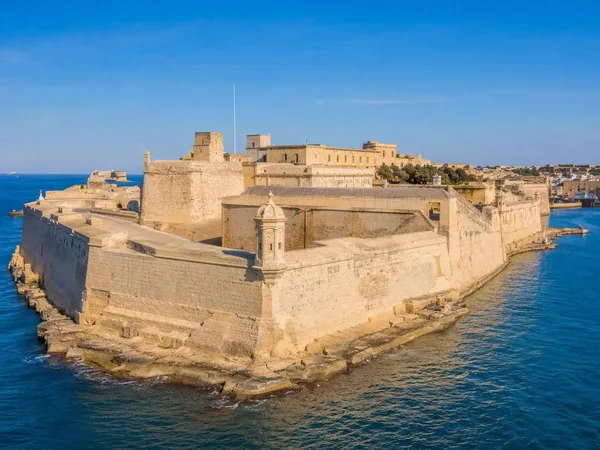
Fort St Elmo
1 linked stories and routes
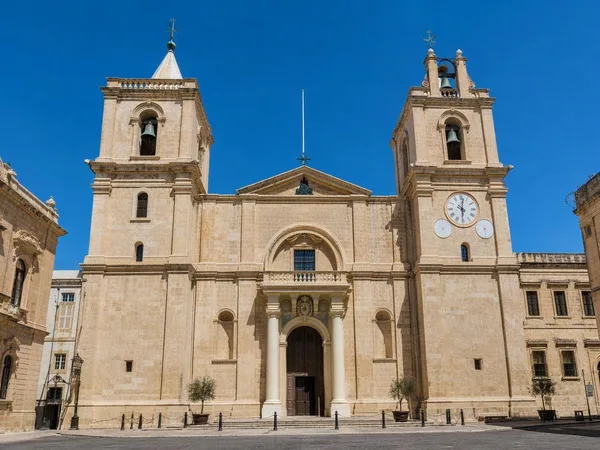
St John’s Co-Cathedral
1 linked stories and routes
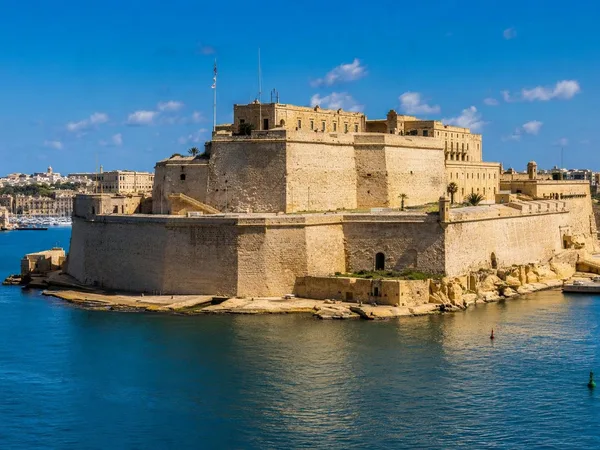
Birgu (Vittoriosa)
1 linked stories and routes
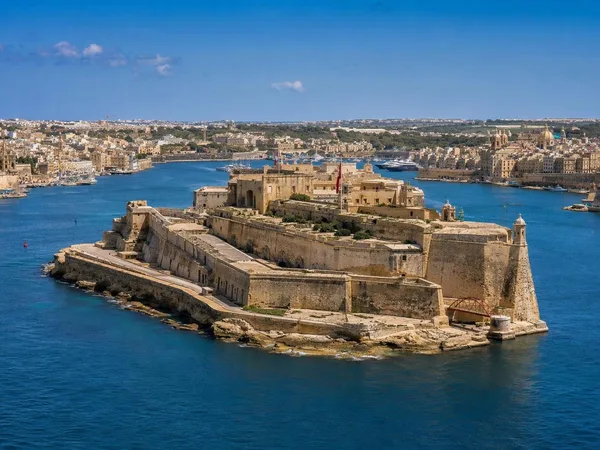
Sciberras Peninsula, Valletta
1 linked stories and routes
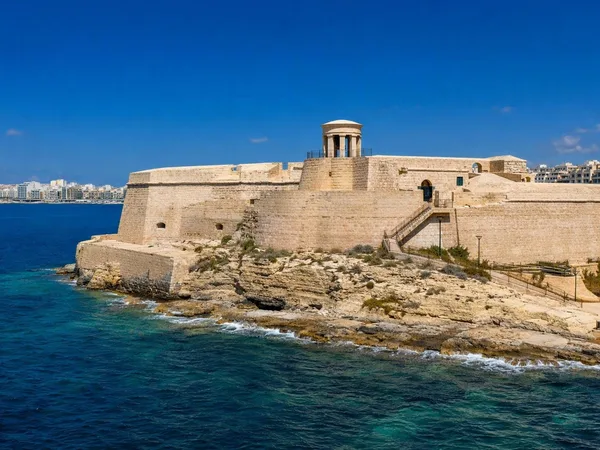
Sliema
1 linked stories and routes
Three Cities
1 linked stories and routes