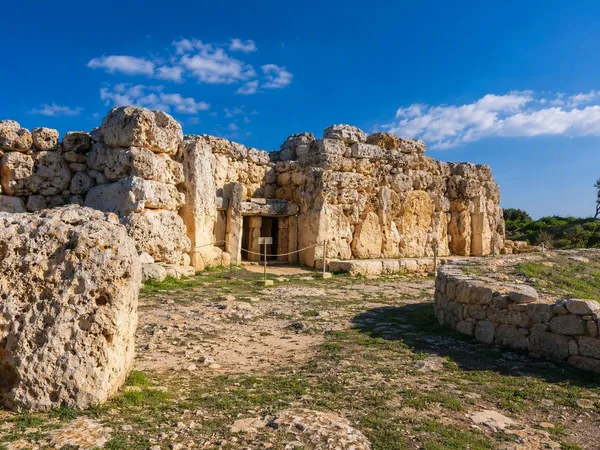
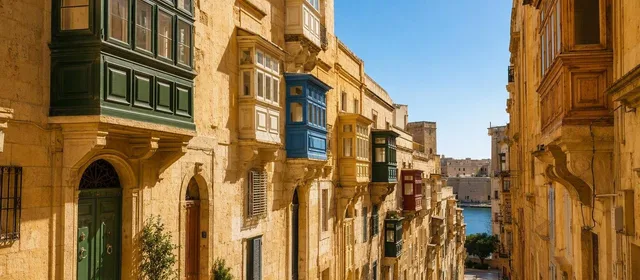
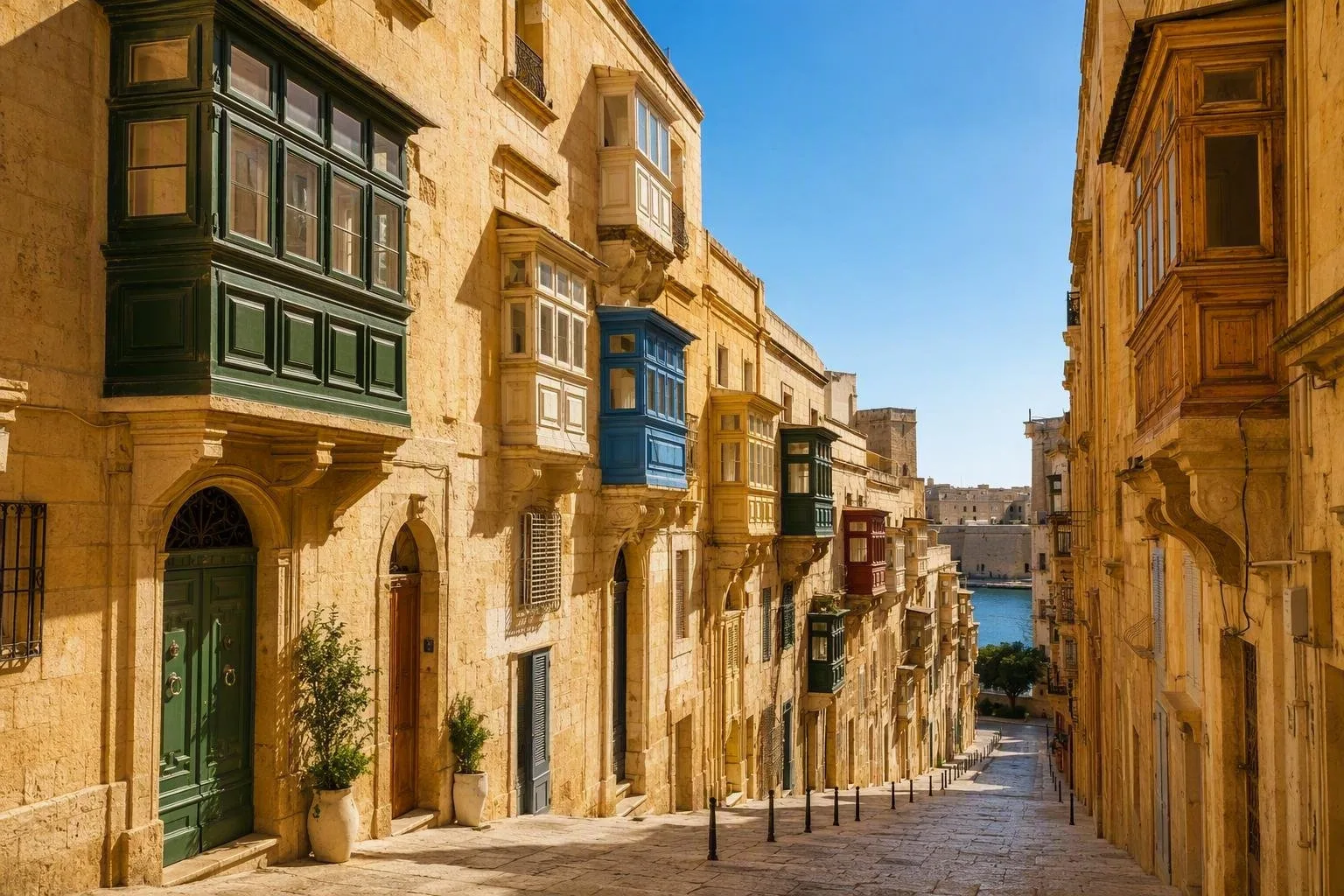
Few Mediterranean places put so much history within such short distances. At Ħaġar Qim, prehistoric stone temples stand above the sea. In Valletta, the Knights of St John built bastions, churches and straight streets from the same honey-coloured limestone. Across the Grand Harbour, Senglea, Vittoriosa and Cospicua face the water behind their own fortifications. Valletta’s carved doorways, enclosed wooden balconies and small shopfronts keep the city from feeling like a museum. Walk across Republic Square, take a side street and you can be at the harbour in minutes.
Outside the harbour, terraced fields, dry-stone walls and low villages cover much of the island. Mdina holds narrow lanes, palaces and convents behind its walls. At Marsaxlokk, brightly painted fishing boats sit in the bay, and kitchens cook lampuki in season alongside pastizzi, rabbit and bread dressed with tomatoes, capers and olive oil.
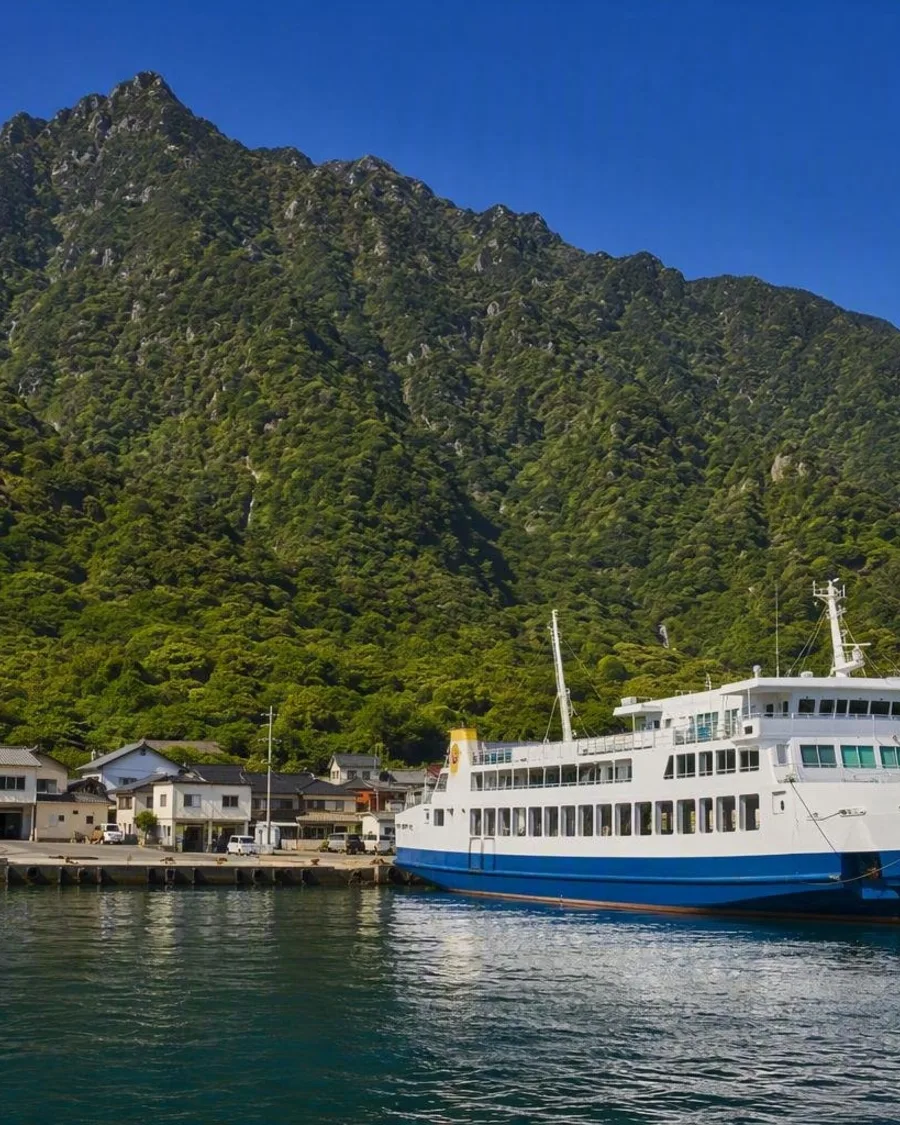
Gozo adds another side of Malta. Farms, salt pans and village squares fill its smaller landscape, while church domes rise above the rooftops. During summer festas, banners hang over the streets and brass bands play before the fireworks begin. Maltese and English share signs and conversation; the Maltese language carries Arabic roots alongside Italian and English influence. Take time for the harbour cities, the inland villages and Gozo, and Malta will give you plenty to return to.