Palestine

Olive terraces and old stone cities

Palestine

Palestine pairs major religious sites with olive-growing hills, old markets and a food culture shaped by family kitchens and local farms.

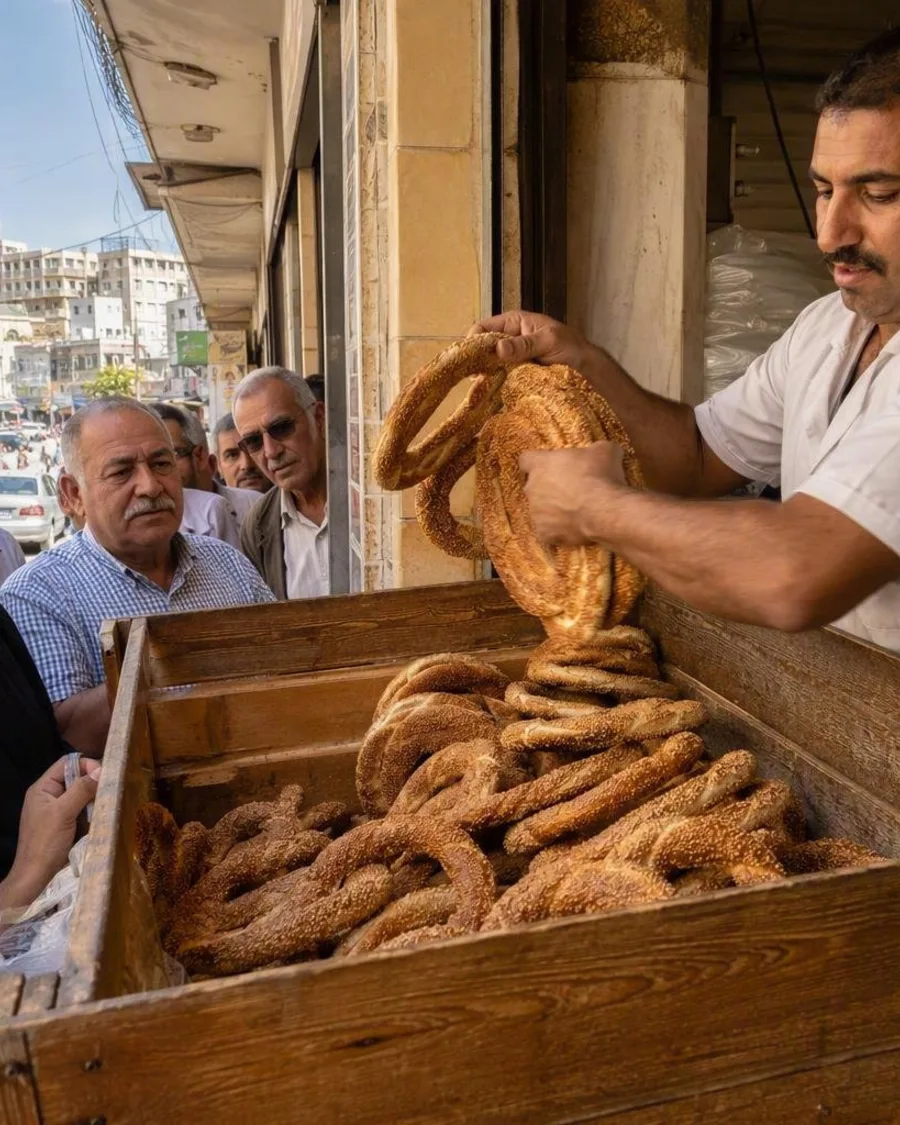
Look beyond the famous holy sites and Palestine shows its everyday character in stone towns, workshops and hillside farms. In Bethlehem, the Church of the Nativity sits a short walk from shops where craftspeople carve olive wood. In Hebron’s Old City, traders work among Mamluk arches and narrow souq lanes near the Ibrahimi Mosque. Stalls hold spices, ceramics, glassware and grapes grown in the surrounding hills. These streets serve worshippers, shoppers and local families every day.

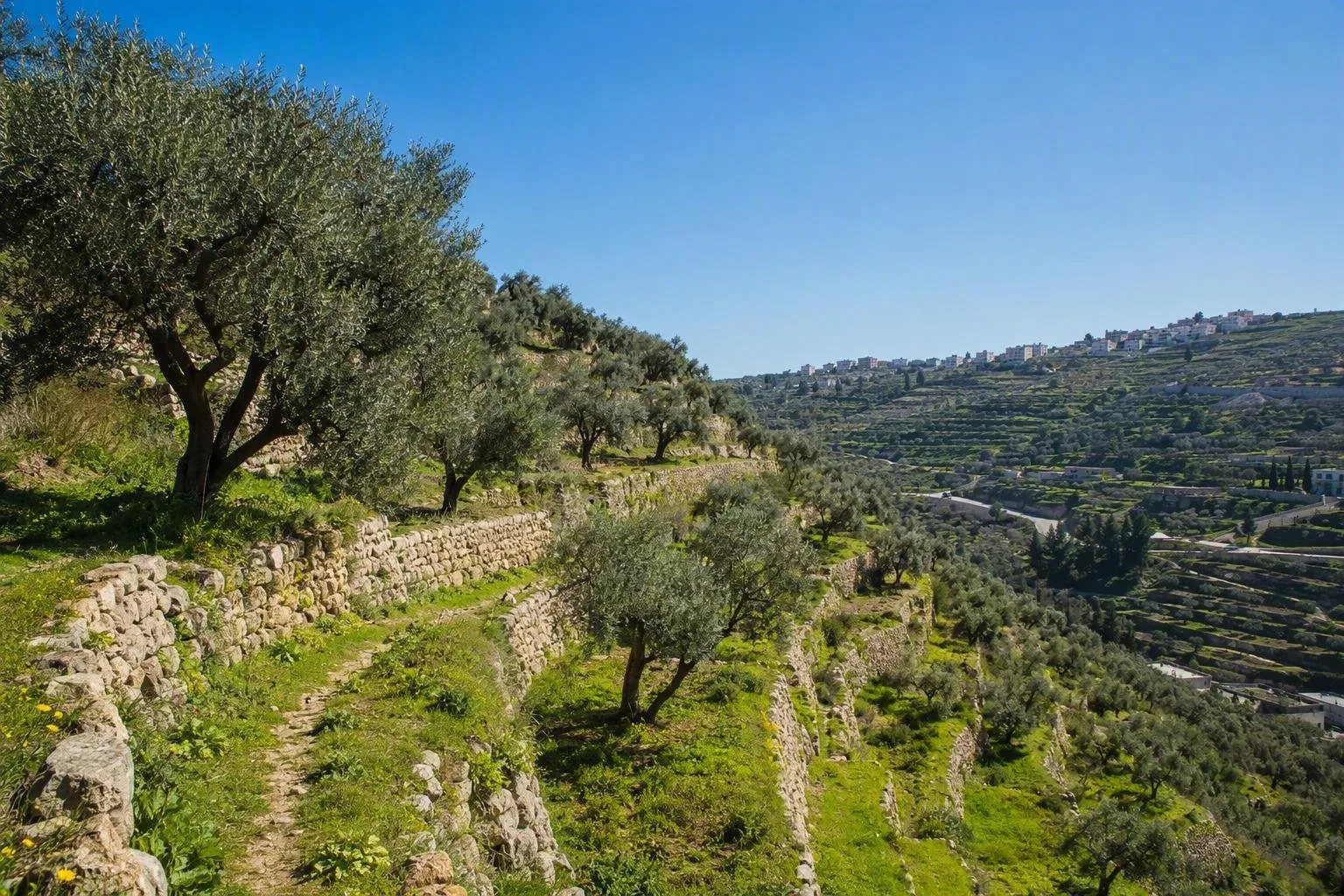
West of Bethlehem, Battir’s residents tend olive trees and vegetable plots on old stone terraces. Water from local springs runs through channels under a shared rotation system, and paths lead across the slopes above the railway valley. In Nablus, soap makers still produce olive-oil soap in vaulted workshops. Bakeries serve knafeh made with white cheese, crisp pastry and bright orange syrup.

Ramallah brings galleries, cultural venues and late-night restaurants into streets lined with old highland houses. Jericho offers a sharp change of scene: date palms grow below sea level, beneath the dry slopes of the Jordan Valley. The distances between these towns are short, but the food, crafts and religious traditions differ from place to place. Make time for a market lunch, a bakery stop and a conversation over coffee. They offer a warm way to get to know Palestine.

When to go

Best time to travel

The monthly values are indicative average maximum temperatures for Ramallah and the central West Bank highlands. Temperatures vary meaningfully by elevation and region, especially between the highlands and the lower Jordan Valley. The monthly values are indicative average maximum temperatures for Ramallah and the central West Bank highlands. Temperatures vary meaningfully by elevation and region, especially between the highlands and the lower Jordan Valley.

jan13°C feb14°C mar17°C apr22°C may26°C jun29°C jul30°C aug30°C sep29°C oct26°C nov20°C dec15°C

Weather in the capital

Practical Palestine

On every country page we show the current weather for the capital.

East Jerusalem is claimed as the capital; Ramallah serves as the administrative centre
Morning22°Cclear
Afternoon30°Cpartly cloudy
Evening23°Cclear
today30°C / 20°Chigh and low

Current forecast by Open-Meteo

Getting around

Buses and shared service taxis link the main West Bank towns. Services usually leave from central stations and may depart when full rather than to a fixed timetable.

Paying locally

The Israeli new shekel covers most everyday purchases. Jordanian dinars and US dollars are accepted in some places, but small shops and transport operators often prefer cash in shekels.

Where to stay

Hotels, hostels, guesthouses and homestays operate in Bethlehem, Ramallah, Jericho and Nablus. Some villages also have family-run guesthouses.

Before you leave

Worth knowing

A practical starting point for your trip. Check current conditions and local information before you leave.

01

Official language

Arabic is the official language. Many hotels, restaurants and visitor services also use English.

02

Calling code

The international calling code is +970.

03

Driving side

Traffic drives on the right.

04

Shared taxis

Shared service taxis, often called servees, run between towns and on busy local routes. Many leave when every seat is taken.

05

Paying for transport

Passengers pay cash on many buses and shared taxis. Carry small shekel notes and coins.

06

Friday hours

Many businesses close or keep shorter hours on Friday, and public transport may run less often.

07

Tipping

A tip of about 10% is common in restaurants when service is not included. Guides and drivers also usually receive a tip.

08

Meal times

Lunch is often the main meal and can run into mid-afternoon. Restaurants in larger towns often serve dinner late into the evening.

09

Mobile connections

Jawwal and Ooredoo operate Palestinian mobile networks. Shops generally ask for a passport or identity document when registering a local SIM.

10

Measurements

Palestine uses the metric system for distance, weight and temperature.

11

Hospitality

Hosts often offer guests coffee, tea or food. Taking at least a small amount is polite.

12

Bargaining

Polite bargaining is common for some goods in traditional markets. Supermarkets and shops with marked prices usually use fixed prices.