
City · Bahrain
Muharraq
Muharraq is Bahrain’s former capital on the island northeast of Manama, where the country’s pearling economy is traced through old lanes, merchant houses, a souq and the waterfront. Its historic core anchors the UNESCO-listed Pearling Path.
Why Muharraq matters
Muharraq was built around the business of natural pearls: divers and boat captains worked from the shore, while merchants dealt from houses, majlises, shops and storehouses deeper in the town. The industry reached its height in the late 19th and early 20th centuries, then collapsed in the 1930s with the rise of cultured pearls.
The result is not a sealed historic quarter but a working city with a concentrated set of surviving buildings. Courtyards, carved timber, plasterwork and narrow lanes show how trade wealth shaped domestic space and the street plan.
Walk the Pearling Path
The UNESCO property brings together 17 buildings in Muharraq, three offshore oyster beds, the seashore and Qal'at Bu Mahir. On land, the walk runs roughly 3 km through the old city between Bu Mahir and the Siyadi complex.
Use it as a route rather than trying to enter every building. Key stops include:
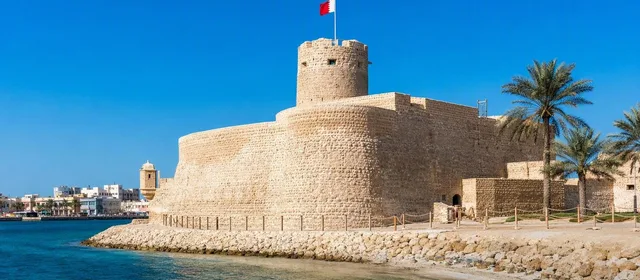
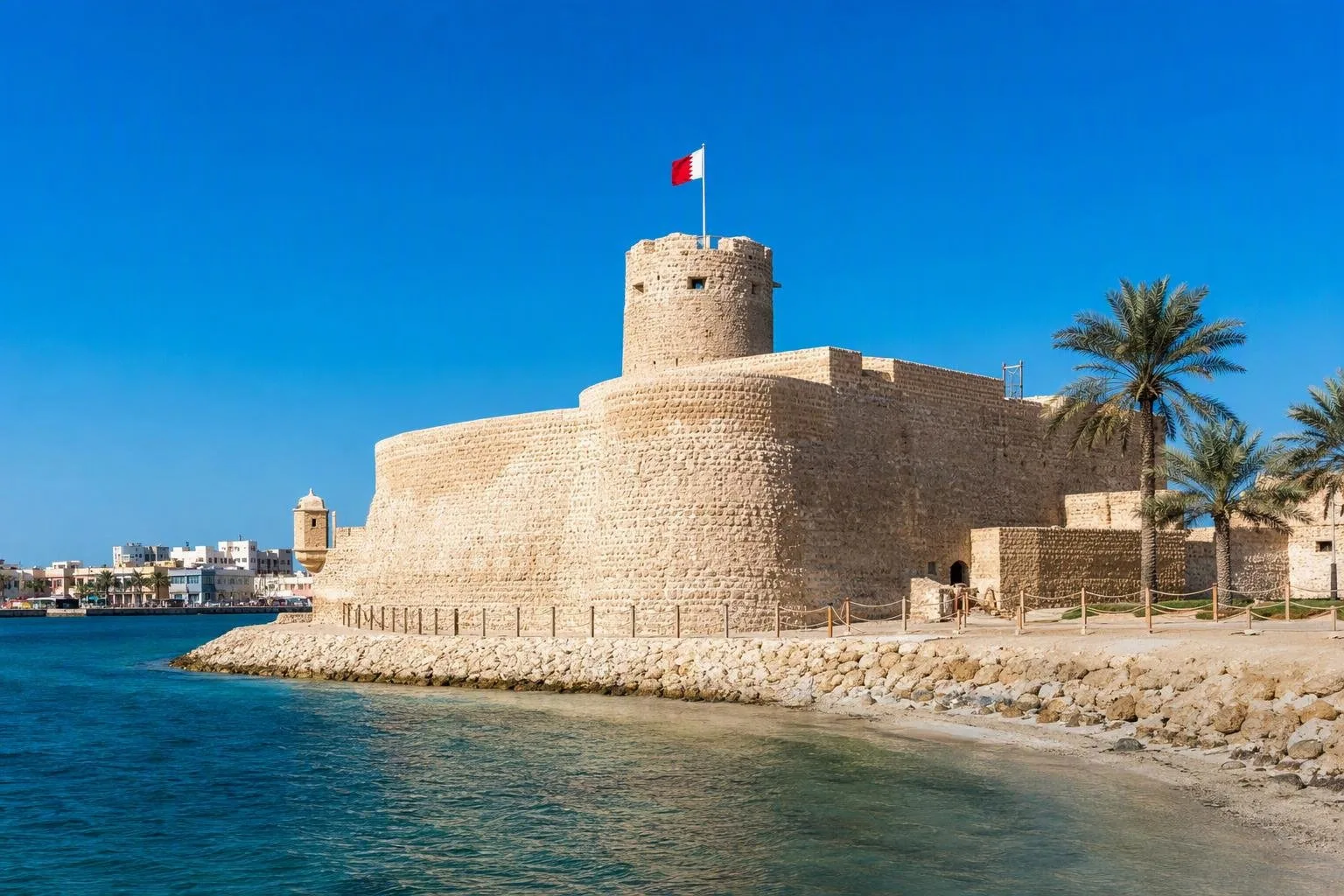
- Qal'at Bu Mahir: the 1840 fort and former maritime gateway, where pearl boats departed for the beds.
- Al Alawi House and Fakhro House: reminders that provisions, boats, trade and pearl dealing were linked businesses.
- Suq Al Qaysariyyah: historic market lanes and former commercial buildings.
- Nukhidhah House: associated with a pearling-boat captain.
- Siyadi House, Majlis and Mosque: a merchant-family ensemble that joins home, hospitality, commerce and worship.
Follow the distinctive pearl-shaped streetlights through the lanes; they mark the route.
Houses, courtyards and wind
Muharraq’s traditional houses turn inward. Thick walls, shaded openings and courtyards moderated heat while preserving family privacy. Look beyond façades for the relationship between the house, the separate majlis for receiving guests, the mosque and the small square or lane.
Shaikh Isa bin Ali House is one of the strongest examples: its 19th-century complex is organised around four courtyards and includes carved doors, gypsum screens and wind towers. It may be closed for renovation, but its exterior remains useful context for the town’s architecture.
The contemporary Pearling Path Visitor and Experience Centre adds a deliberate contrast: a broad roof, slender columns and 15 wind towers shelter the remains of old market buildings.
Start points and timing
Begin at the waterfront Bu Mahir Visitor Centre, the Pearling Path Visitor and Experience Centre near Suq Al Qaysariyyah, or Siyadi Majlis. The official route is open daily 10:00–18:00 and closed Tuesday; individual interiors do not all have the same access.
A boat from Bahrain National Museum harbour reaches Qal'at Bu Mahir, while several car parks serve the route. Allow at least a few hours on foot: the value lies in following the sequence from shore to merchants’ quarter, not in rushing between isolated houses.
Read the city properly
The oyster beds are part of the World Heritage property but lie offshore; Muharraq is where their economic and social system becomes visible. Treat the lanes as residential urban space, keep noise down near homes and mosques, and dress respectfully when entering religious or heritage interiors.
From the magazine
Stories about Muharraq
Editorial stories linked directly to Muharraq.
No stories about Muharraq have been published yet.
Routes from our editors
Travel through Muharraq
Editorial routes connecting Muharraq with other countries, cities and hotspots.
No routes through Muharraq have been published yet.
More in Bahrain
Related hotspots
Other cities, nature areas and places within Bahrain.
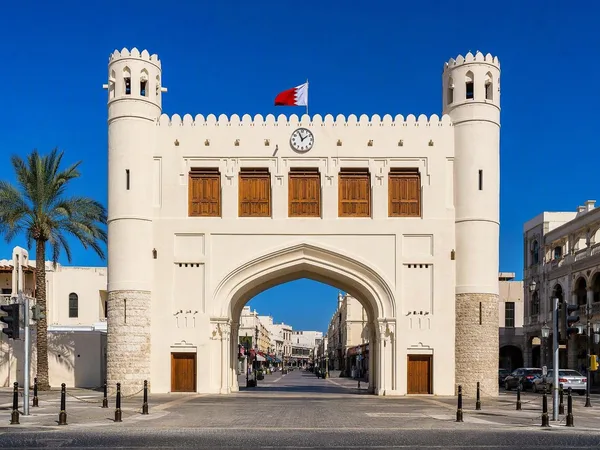
Manama
2 linked stories and routes
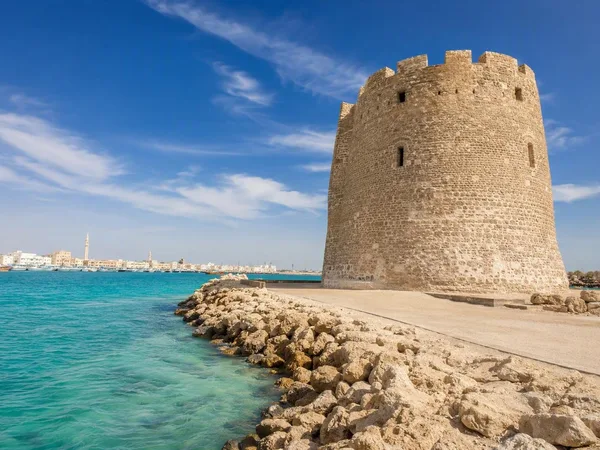
Pearling Path, Muharraq
2 linked stories and routes
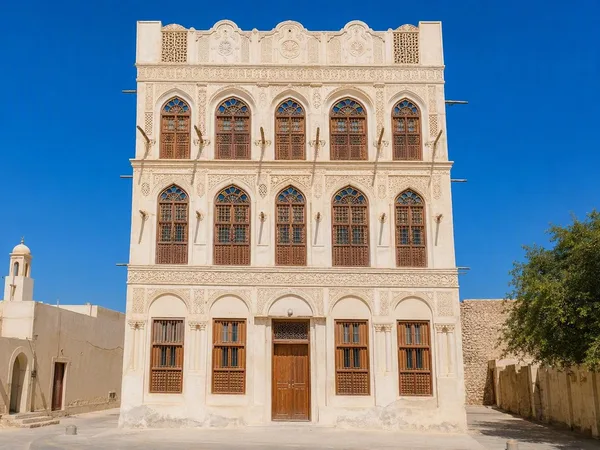
Majlis Siyadi
2 linked stories and routes
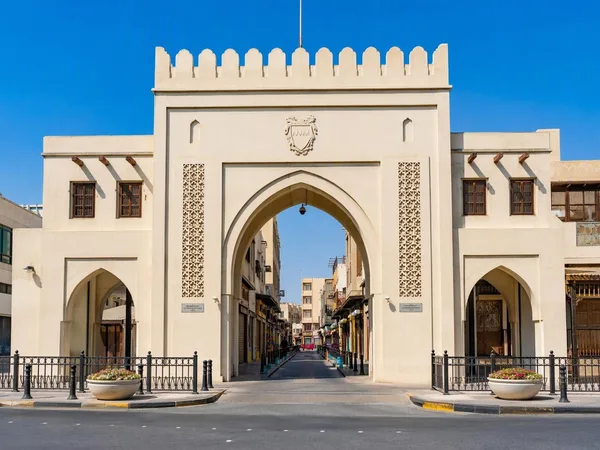
Bab al-Bahrain
1 linked stories and routes
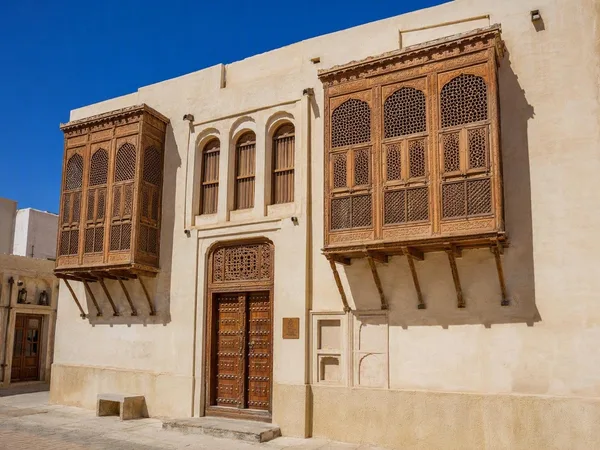
Bait Khalaf
1 linked stories and routes
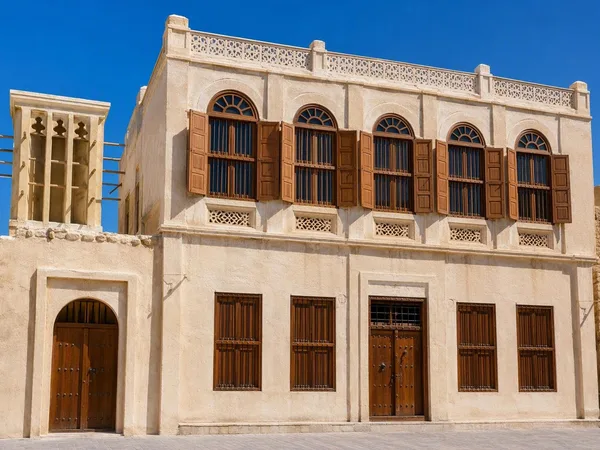
Bin Matar House
1 linked stories and routes
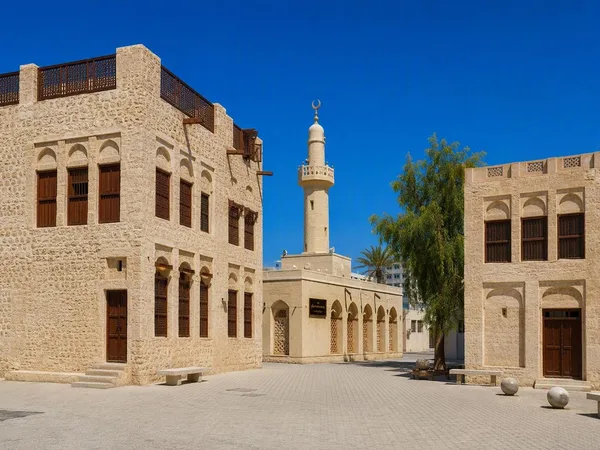
Murad complex
1 linked stories and routes
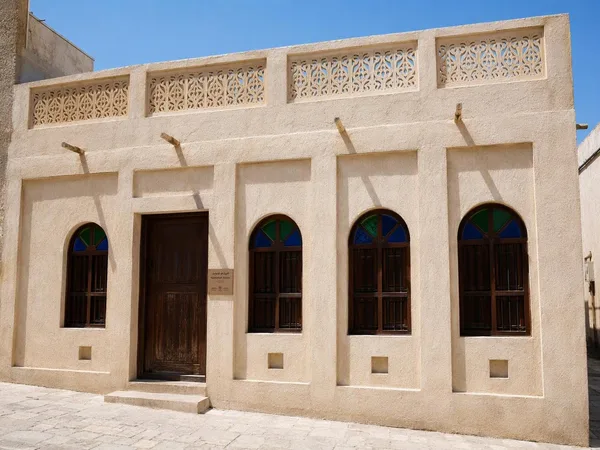
Nukhidhah House
1 linked stories and routes
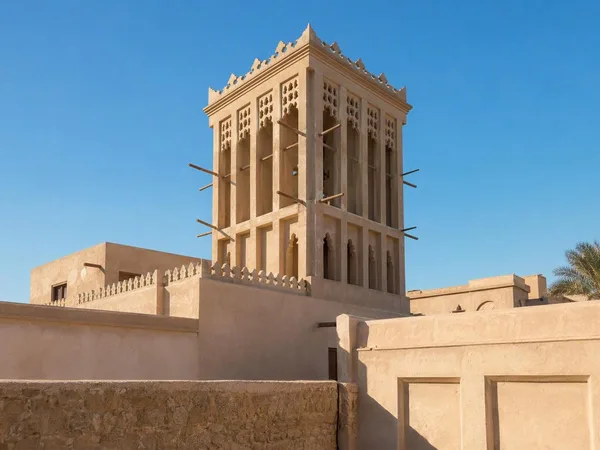
Shaikh Isa bin Ali House, Muharraq
1 linked stories and routes
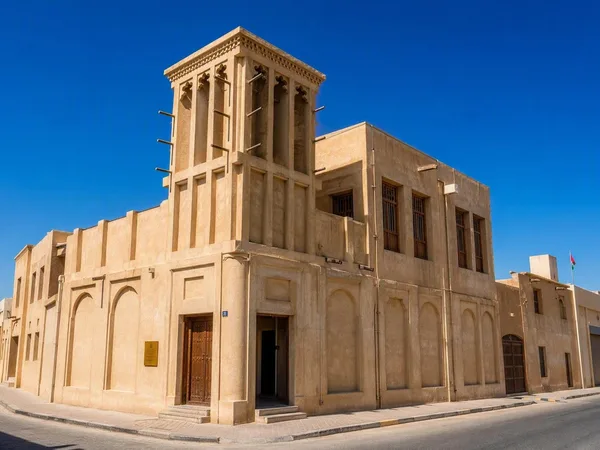
Al Alawi House
1 linked stories and routes
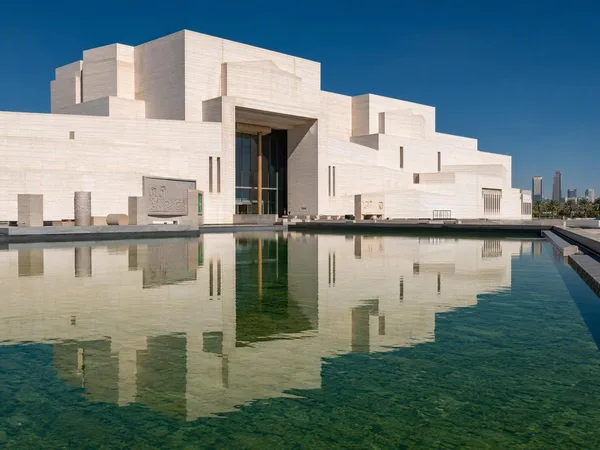
Bahrain National Museum
1 linked stories and routes
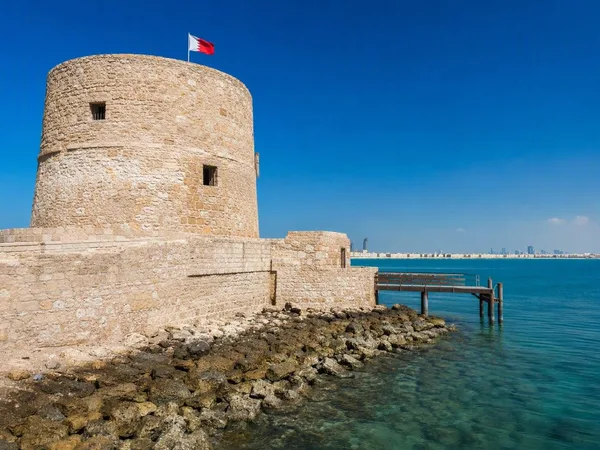
Qal’at Bu Mahir
1 linked stories and routes
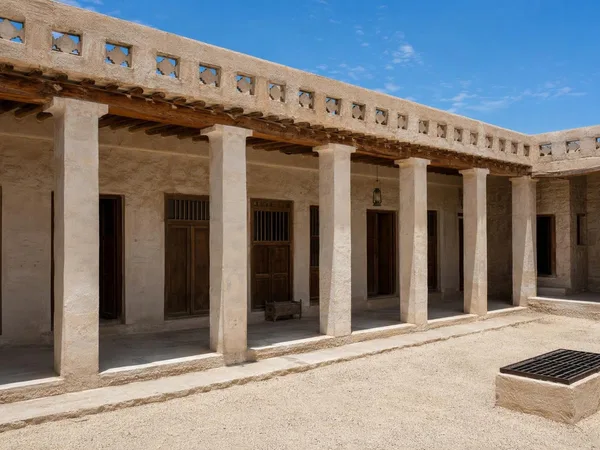
Al-Ghūṣ House
1 linked stories and routes
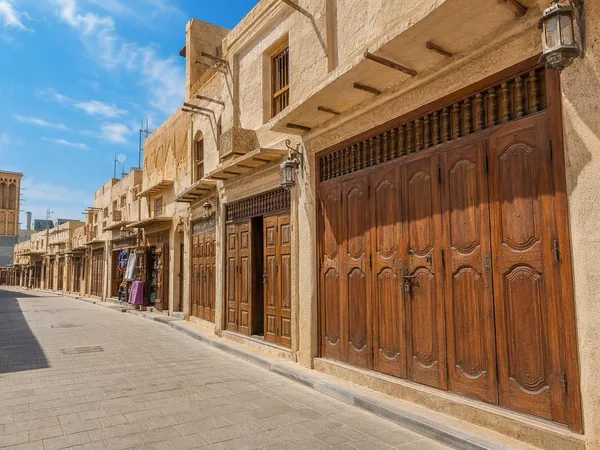
Suq Al Qaysariyyah, Muharraq
1 linked stories and routes