
Sight · Bahrain
Al Alawi House
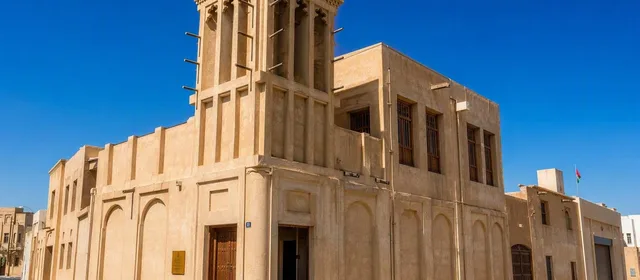
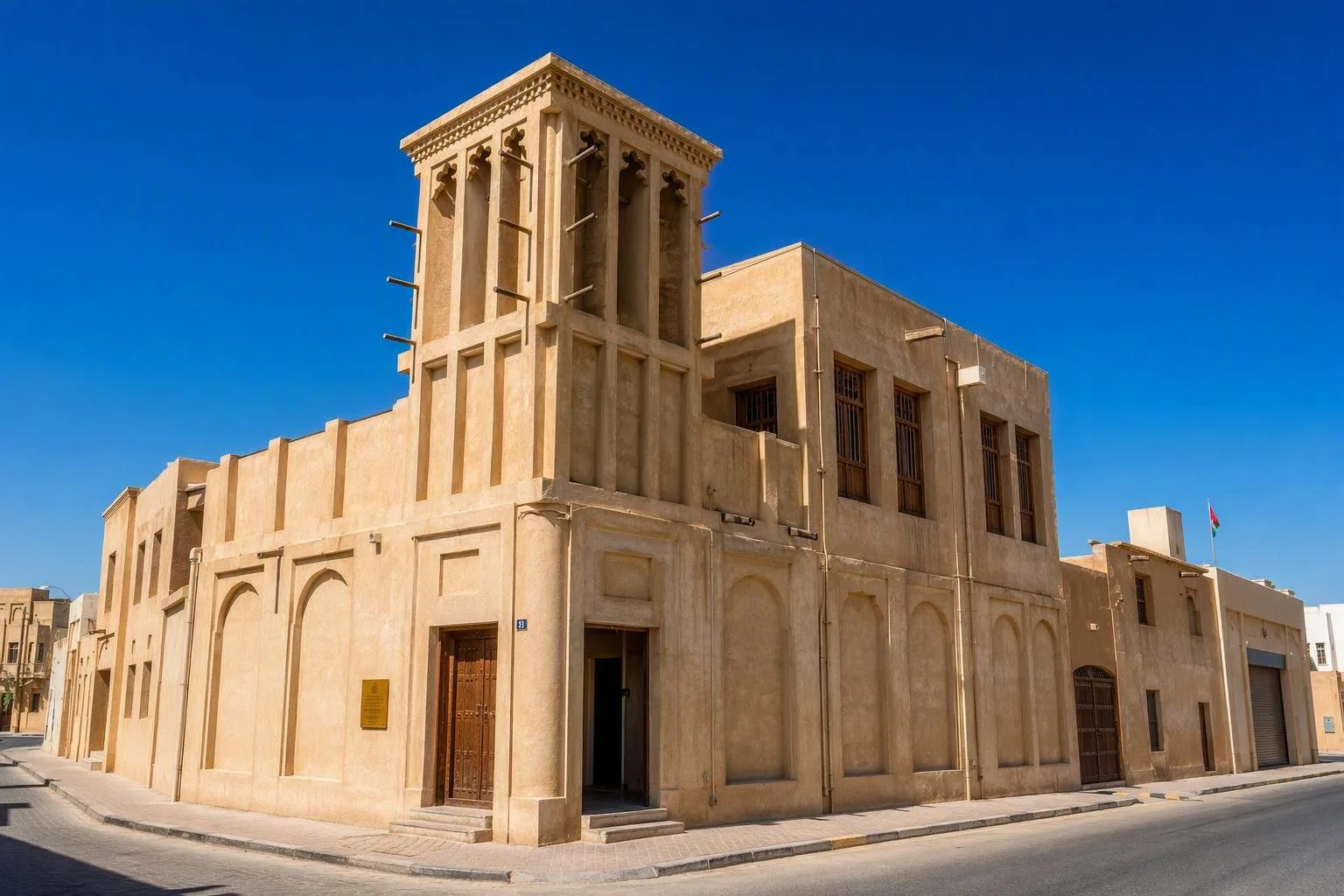
Al Alawi House is a 1930s merchant residence on the Pearling Path in historic Muharraq, Bahrain. Its compact courtyard plan and corner wind tower show how the pearling economy shaped both domestic life and climate-conscious architecture.
Why it matters
Al Alawi House was built in the early 1930s for Mahmoud Muhammad Al Alawi, a Muharraq trader whose business supplied the pearling fleet. It is a useful corrective to the idea that pearling heritage is only about divers and pearl merchants: the house records the suppliers who kept the fleet operating.
Al Alawi traded near Muharraq’s main market. His stock included rope, anchors and sailcloth for dhows, materials for boat construction, and diving equipment such as nose clips and collecting baskets. He also ran freshwater boats serving pearling vessels. The house stood on reclaimed land close to the bay that once separated Muharraq and Al Halah, placing the family near the trade it served.
Read the house
This is a two-storey, square-plan family house arranged around a small central courtyard. Its restrained scale is part of the point: it is a rare surviving example of a middle-class home type that was once common in Muharraq.
Look for these defining elements:
- Central courtyard: the internal focus of the household plan.
- Corner wind tower: the building’s unmistakable vertical feature and one of Muharraq’s few surviving working examples.
- Compact massing: rooms enclose the courtyard rather than opening broadly onto the street.
The wind tower is the key architectural detail. Together with the tower at Shaikh Isa bin Ali House, it is one of the city’s remaining functional historic wind towers.
On the Pearling Path
The house is at 414 Abdul Rahman Al Fadel Avenue, Block 214, in the old city of Muharraq. It forms part of the UNESCO-listed Pearling Path, a group of historic urban, coastal and offshore sites that traces Bahrain’s pearling economy.
Approach on foot through the historic streets rather than treating it as an isolated stop. The route is marked by pearl-shaped streetlights, and the Pearling Path Visitor and Experience Centre near Suq Al Qaysariyyah is a practical orientation point. The old city’s narrow lanes and uneven urban rhythm suit walking, not driving door to door.
Access and timing
Treat Al Alawi House primarily as an exterior architectural stop unless access is explicitly available on the day. The Pearling Path’s visitor information identifies only selected components as open to public visits; not every historic house is routinely accessible inside.
The wider Pearling Path operates daily from 10am to 6pm and is closed on Tuesdays. Use those hours for the route, but do not assume they guarantee entry to this house. Visit in daylight to read the wind tower, courtyard-house proportions and street setting clearly.
From the magazine
Stories about Al Alawi House
Editorial stories linked directly to Al Alawi House.
No stories about Al Alawi House have been published yet.
Routes from our editors
Travel through Al Alawi House
Editorial routes connecting Al Alawi House with other countries, cities and hotspots.
No routes through Al Alawi House have been published yet.
More in Bahrain
Related hotspots
Other cities, nature areas and places within Bahrain.
Manama
2 linked stories and routes
Muharraq
2 linked stories and routes
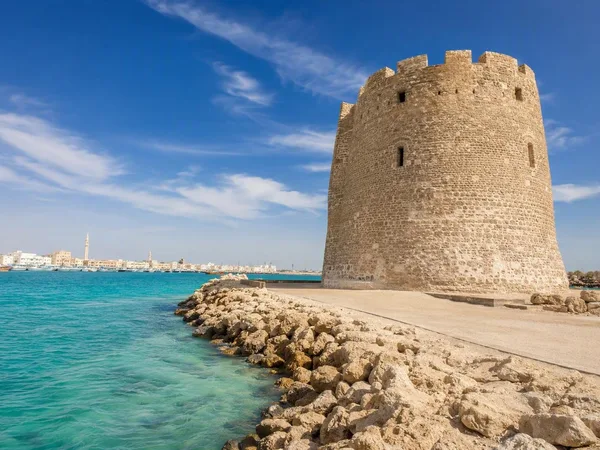
Pearling Path, Muharraq
2 linked stories and routes
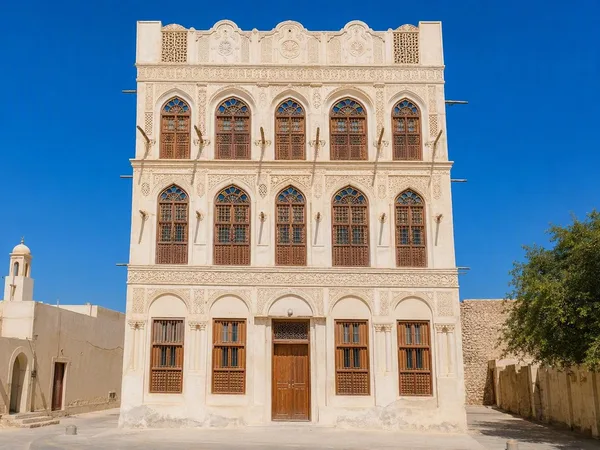
Majlis Siyadi
2 linked stories and routes
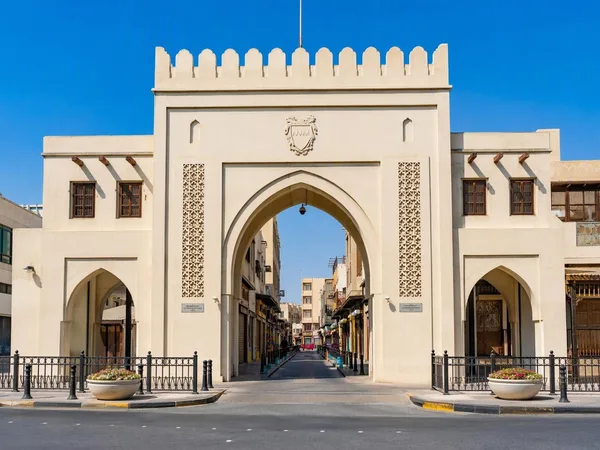
Bab al-Bahrain
1 linked stories and routes
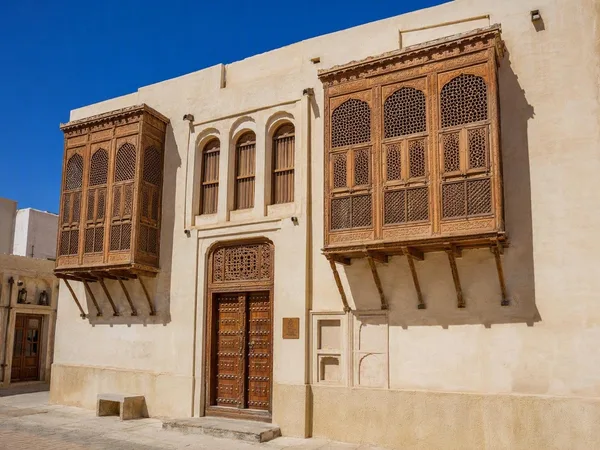
Bait Khalaf
1 linked stories and routes
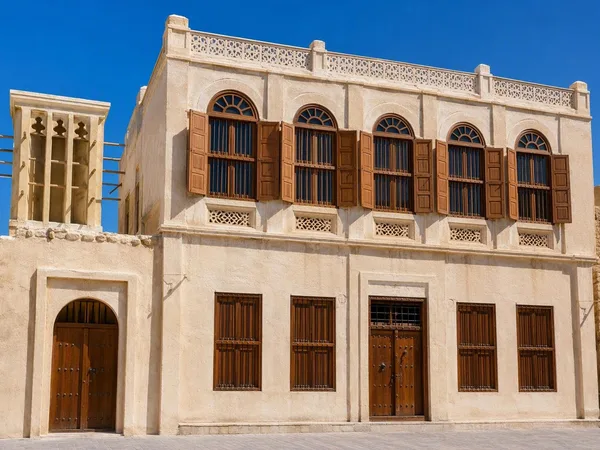
Bin Matar House
1 linked stories and routes
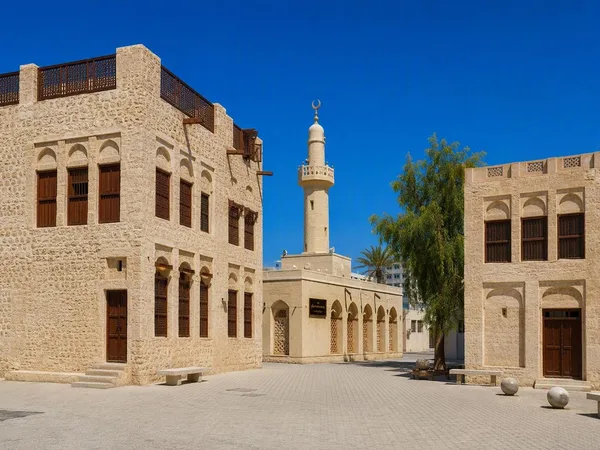
Murad complex
1 linked stories and routes
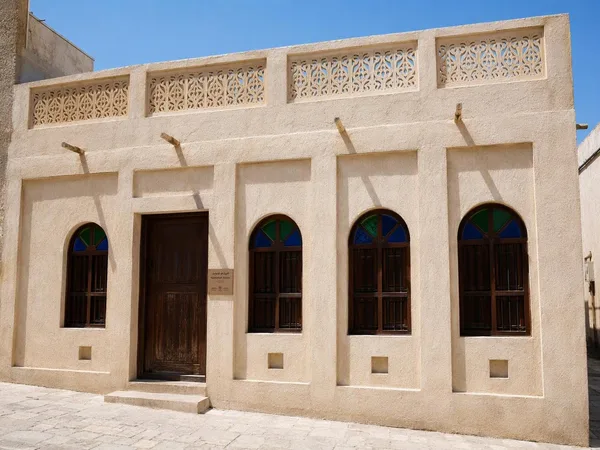
Nukhidhah House
1 linked stories and routes
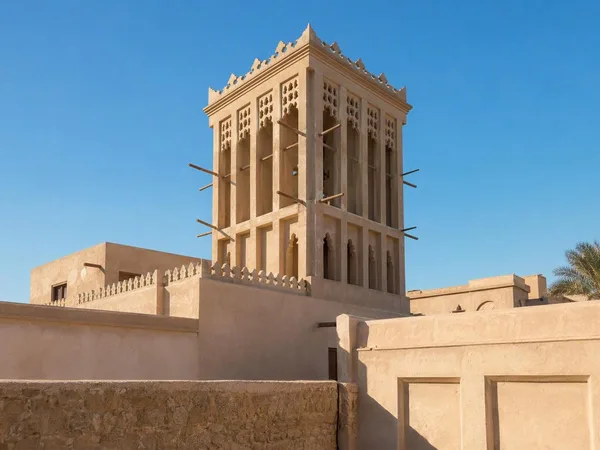
Shaikh Isa bin Ali House, Muharraq
1 linked stories and routes
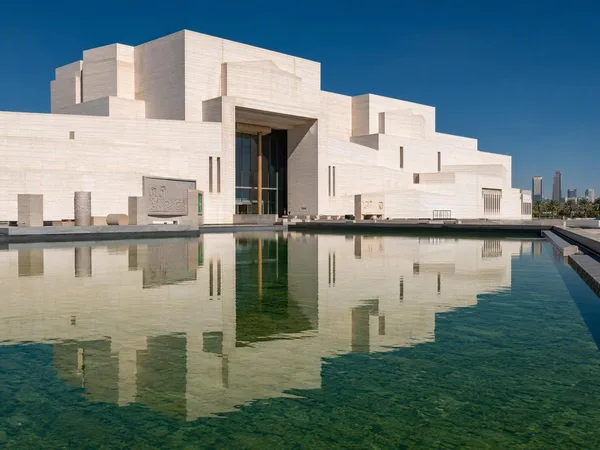
Bahrain National Museum
1 linked stories and routes
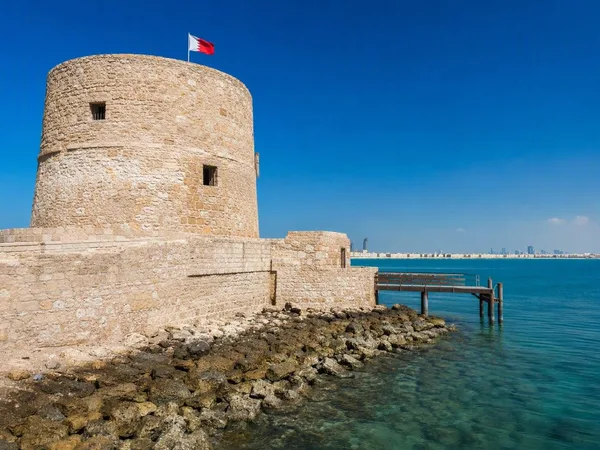
Qal’at Bu Mahir
1 linked stories and routes
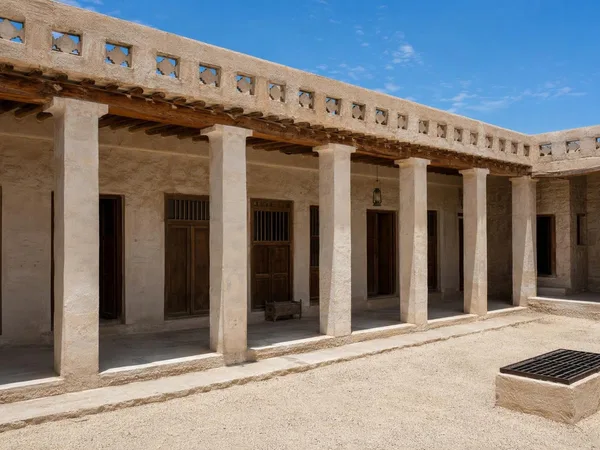
Al-Ghūṣ House
1 linked stories and routes
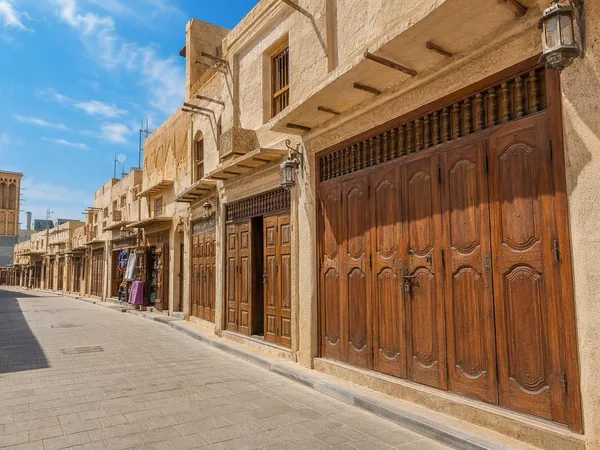
Suq Al Qaysariyyah, Muharraq
1 linked stories and routes