Neighbourhood · Slovakia
Rača, Bratislava
Rača is Bratislava’s northeastern wine district, eight kilometres from the centre at the foot of the Little Carpathians. Its old village streets, family cellars and south-facing vineyards still make wine a working part of the neighbourhood.
Orientation
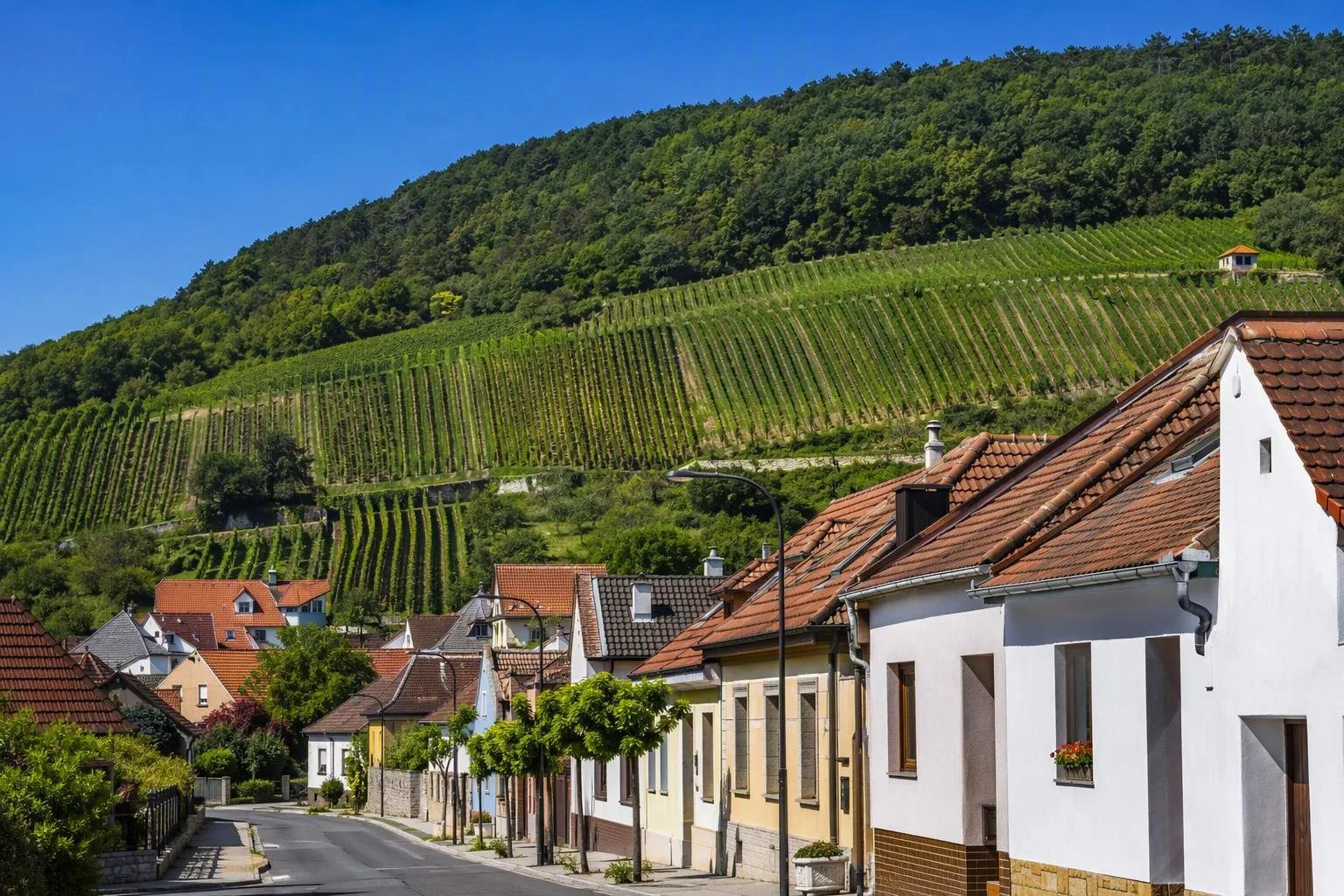
Rača is a Bratislava city district, not a separate wine town. Its historic core gathers around Námestie Andreja Hlinku; residential streets then run uphill toward the vines and the wooded Little Carpathians. The district was an independent village, known as Račišdorf, until it joined Bratislava in 1946.
Start in the old centre, where the Gothic parish church of Saints Philip and James anchors the former village. The church is documented from 1390, while the nearby Koloničova kúria is a manor house with roots in the 15th century.
Vineyards and Frankovka
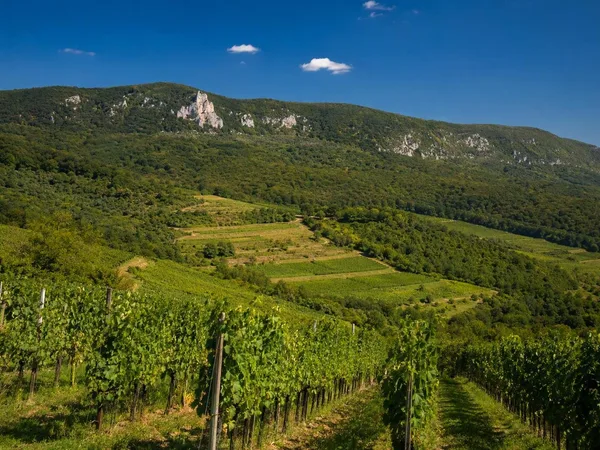
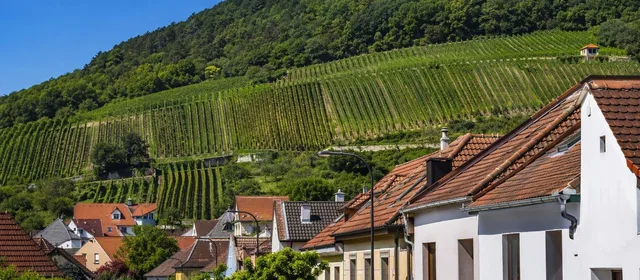
The vineyards occupy south-facing slopes at roughly 150 to 300 metres above sea level. They are the defining landscape of Rača: houses and cellars sit below the rows of vines, while forest begins above them.
Frankovka modrá—Blaufränkisch—is the signature grape. Ask for Račianska frankovka, the local expression of the variety; it has a long association with the district and was recognised as suitable for the imperial court in 1767. Producers also work with Riesling, Grüner Veltliner, Müller-Thurgau, Traminer and Pinot Blanc.
For a useful first tasting, compare Frankovka with one of the local whites rather than trying to cover a long list. Styles vary from straightforward dry bottles to wines matured in oak or made with minimal intervention.
Cellars and tastings
Račianska vinotéka, in the cellar of Koloničova kúria on Námestie A. Hlinku, is the simplest walk-in introduction to local producers. A statue of St Urban, patron of winegrowers, stands in its cellar niche.
Family producers are concentrated along Alstrova, Detvianska and Pri vinohradoch. Their cellars are working places, not a continuous open-air museum. Some welcome visitors through scheduled tastings or festival programmes; many do not keep regular public tasting hours.
The historic cellar beneath the German Cultural House is another wine landmark. Built by Rača’s German community in the 1940s, it stays at around 12°C and is used during wine events.
Getting there and timing
Tram 3 links central Bratislava with Rača. Hybešova and Detvianska are practical stops for the historic core; Cintorín Rača is useful for the wine garden and cellar area near the square.
Rača works well for a half-day: walk the centre, taste locally, then continue uphill on foot or by bicycle toward the vineyard edge. The wider cycle route from Račianske mýto combines vineyards and forest but is hilly.
September’s Račianske vinobranie is the harvest festival, with local wine, burčiak—partly fermented grape must—and activity spread through the district. It is the liveliest time to visit, but not the quietest. Open-cellar events in spring and autumn offer the best chance to meet several makers in one outing.
From the magazine
Stories about Rača, Bratislava
Editorial stories linked directly to Rača, Bratislava.
No stories about Rača, Bratislava have been published yet.
Routes from our editors
Travel through Rača, Bratislava
Editorial routes connecting Rača, Bratislava with other countries, cities and hotspots.
No routes through Rača, Bratislava have been published yet.
More in Slovakia
Related hotspots
Other cities, nature areas and places within Slovakia.