
Neighbourhood · Monaco
Rocher (Monaco-Ville)
Le Rocher is Monaco’s historic rocky headland, occupied by the pedestrian old town of Monaco-Ville between Port Hercule and Fontvieille. The Prince’s Palace, cathedral, public institutions and Oceanographic Museum sit on its compact summit.
Get oriented
Le Rocher—the Rock—is the local name for Monaco-Ville, the historic and institutional core of the Principality. This is a compact headland rather than a separate town: a steep climb from La Condamine or the harbour leads to a plateau of lanes, small squares and major state buildings.
Start at Place du Palais. At roughly 60 metres above the sea, it is the clearest place to understand the Rock’s defensive logic and to look across Port Hercule, Monte-Carlo and Fontvieille.
Palace square and old town
The Prince’s Palace began as a Genoese fortress in 1215 and became the Grimaldi residence after the family established its rule here at the end of the 13th century. The palace still anchors the western side of Place du Palais.
The Carabiniers’ changing of the guard takes place on the square daily at 11:55. Arrive a little early if you want an unobstructed view.
From the square, explore the tight pedestrian grid rather than treating the Rock as a single monument. Rue Comte Félix Gastaldi, Rue Basse and the connecting alleys show its residential scale. The Town Hall, National Council, government offices and Palace of Justice are also on the Rock, so this is a working administrative district as well as an old town.
Cathedral, gardens and sea edge
The white-stone Notre-Dame-Immaculée Cathedral is close to the palace. It holds the tombs of Monaco’s princes and requires modest dress: cover shoulders and upper legs.
Continue east via the Saint-Martin and Sainte-Barbe Gardens, laid out in 1816. Their paths trace the steep southern side of the Rock through Mediterranean and exotic planting, with views towards Fontvieille and open water. Allow extra time for steps and short, uneven gradients.
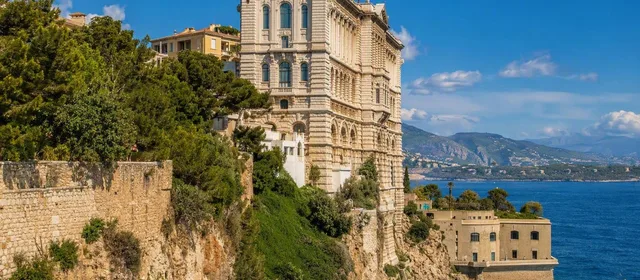
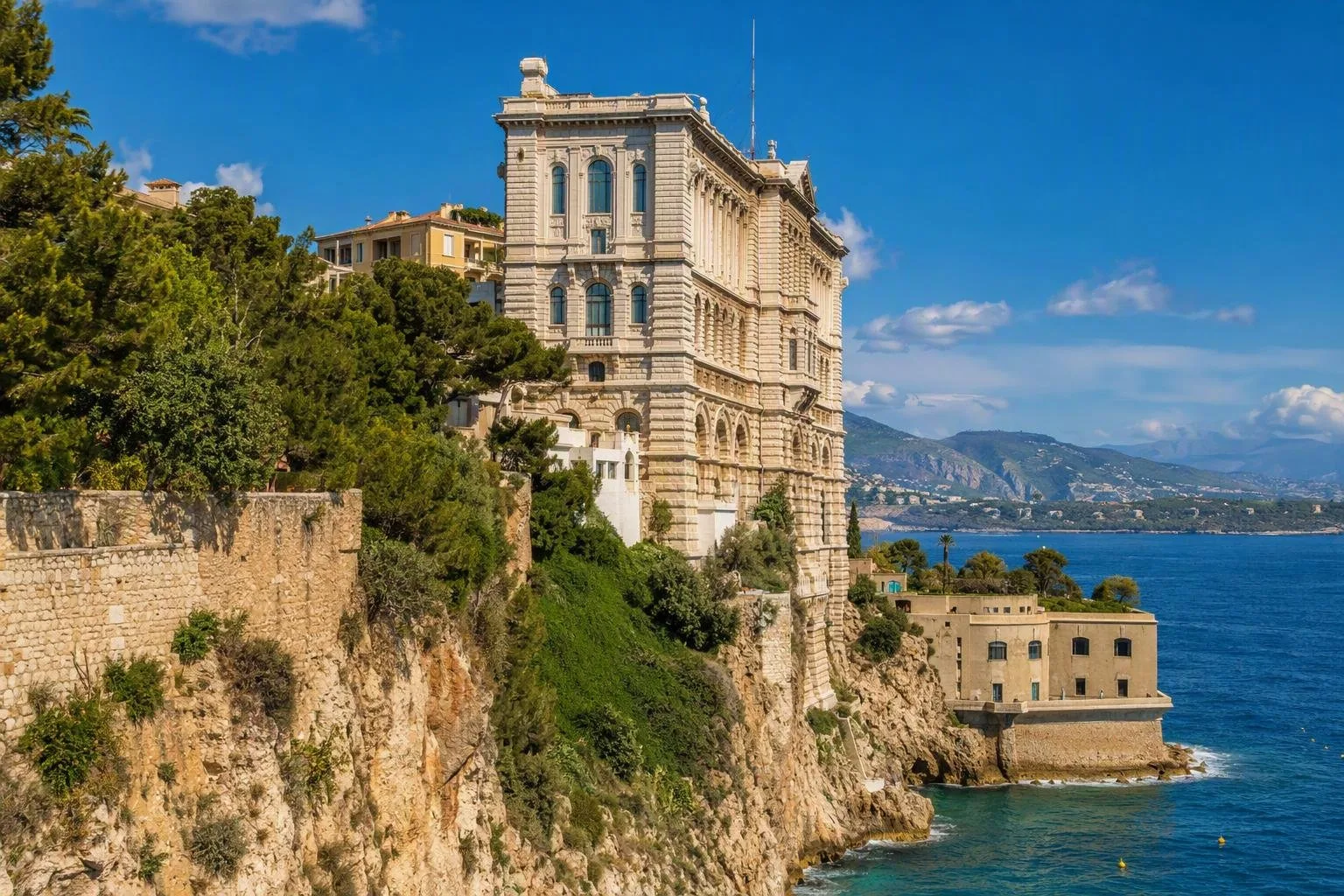
At the far end stands the Oceanographic Museum, built directly over the cliff. Its roof terrace gives a broad Mediterranean panorama; the museum itself combines aquariums, marine collections and exhibitions.
Reach the Rock
From Place d’Armes in La Condamine, take the Rampe Major: the red-brick historic route curves up beside former defensive walls to Place du Palais. It is the most legible approach, but it is a sustained uphill walk.
For a lower-effort connection, use the public lifts at Parking des Pêcheurs near the Oceanographic Museum. Monaco bus routes 1 and 2 stop at Place de la Visitation. The Rock is best handled on foot once on top.
Access and timing
Vehicle access is restricted; visitors should not plan to drive through Monaco-Ville. Use the Chemin des Pêcheurs car park if arriving by car.
The plateau itself is free to walk at any time. Individual sites have separate entry rules and hours. Build in time for the ascent or descent: the Rock’s cobbles, stairs and slopes reward sturdy shoes more than rushed sightseeing.
From the magazine
Stories about Rocher (Monaco-Ville)
Editorial stories linked directly to Rocher (Monaco-Ville).
No stories about Rocher (Monaco-Ville) have been published yet.
Routes from our editors
Travel through Rocher (Monaco-Ville)
Editorial routes connecting Rocher (Monaco-Ville) with other countries, cities and hotspots.
No routes through Rocher (Monaco-Ville) have been published yet.
More in Monaco
Related hotspots
Other cities, nature areas and places within Monaco.
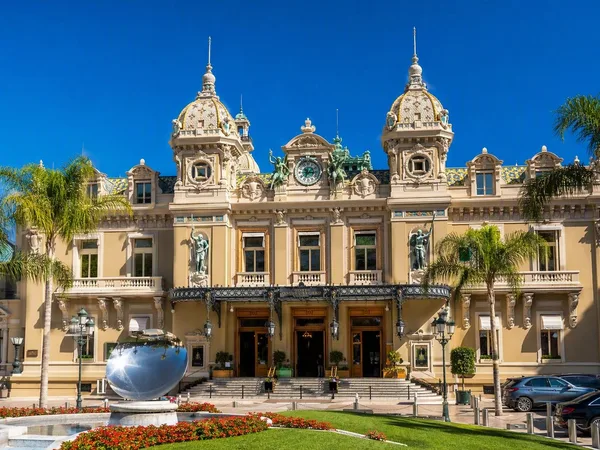
Monte-Carlo
2 linked stories and routes
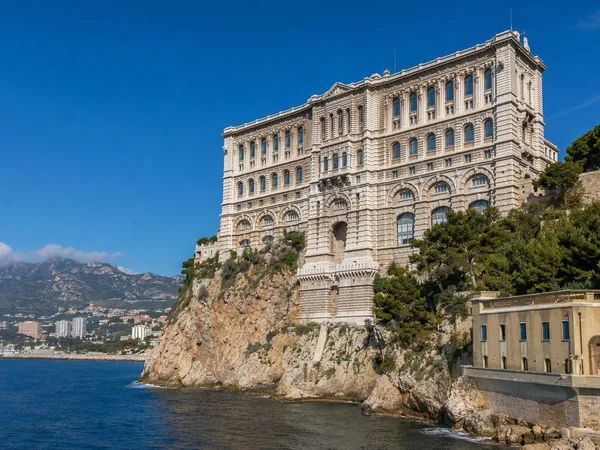
Monaco-Ville
2 linked stories and routes
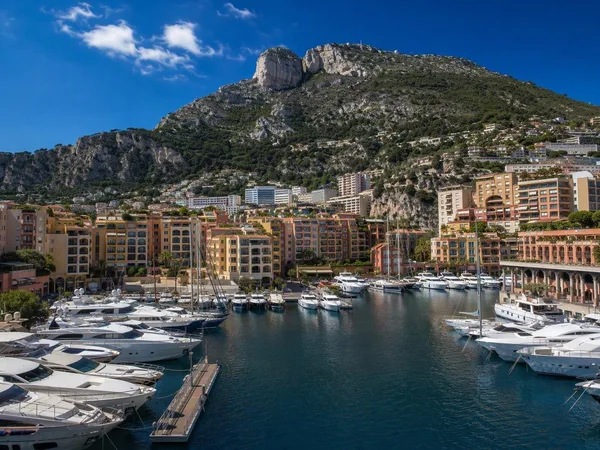
Fontvieille
2 linked stories and routes
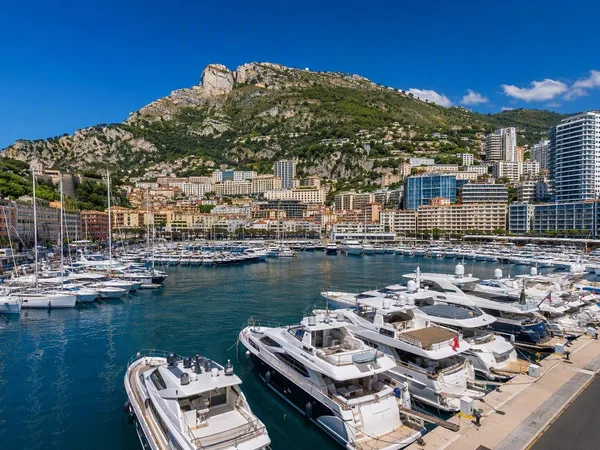
Port Hercule
2 linked stories and routes
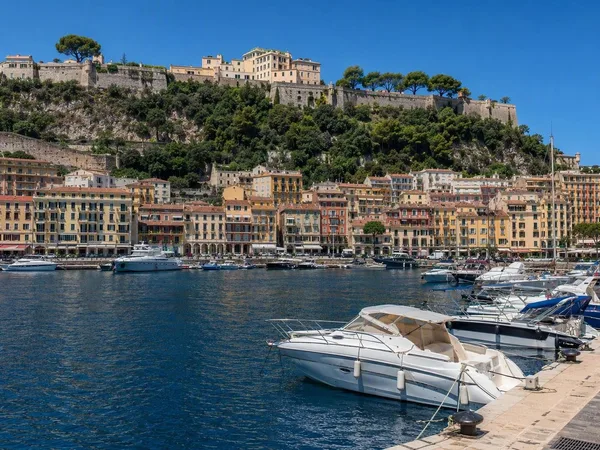
La Condamine
1 linked stories and routes
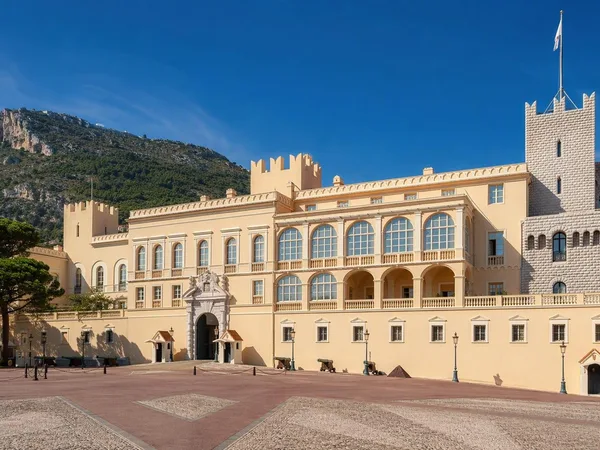
Palais Princier
1 linked stories and routes
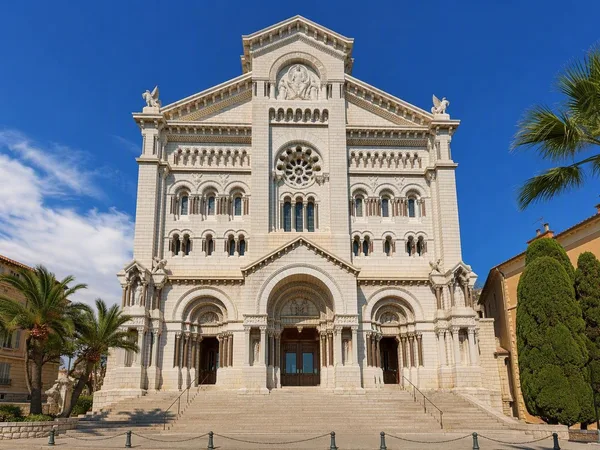
Cathédrale Notre-Dame-Immaculée
1 linked stories and routes
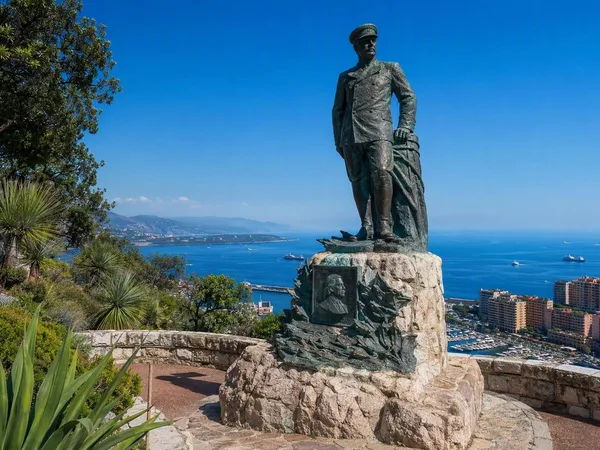
Jardins Saint-Martin
1 linked stories and routes
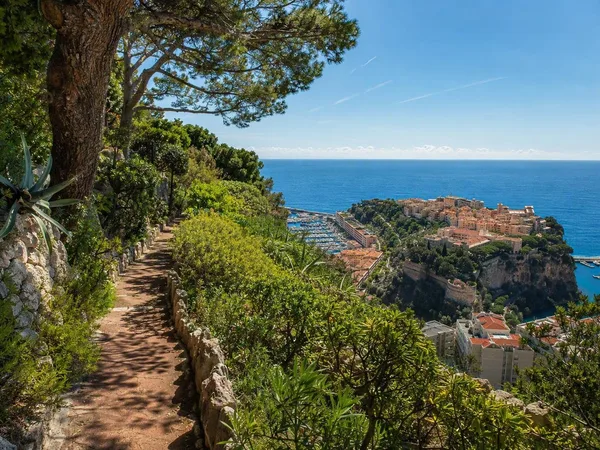
Sainte-Barbe, Monaco-Ville
1 linked stories and routes
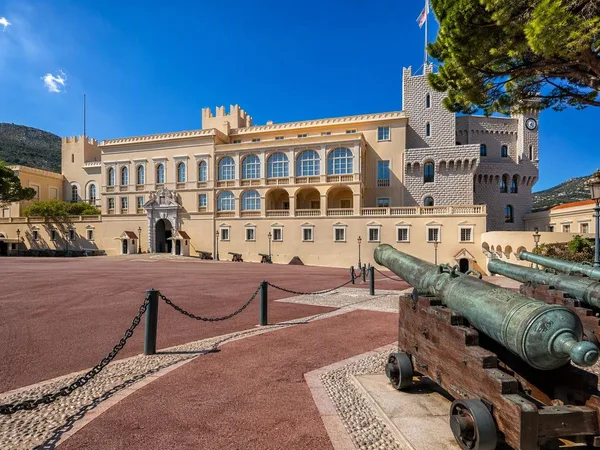
Place du Palais
1 linked stories and routes
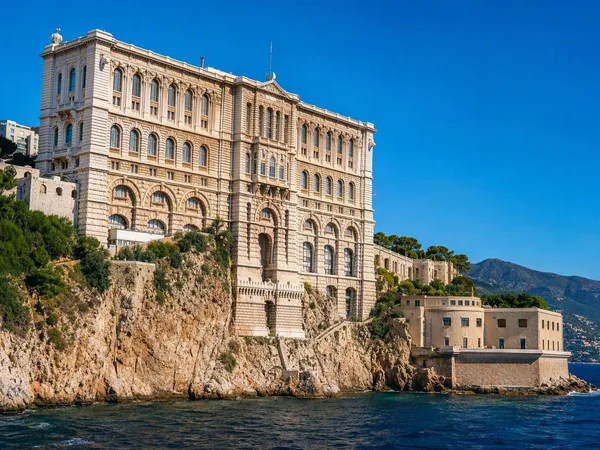
Oceanographic Museum of Monaco
1 linked stories and routes