
Neighbourhood · Monaco
Monte-Carlo
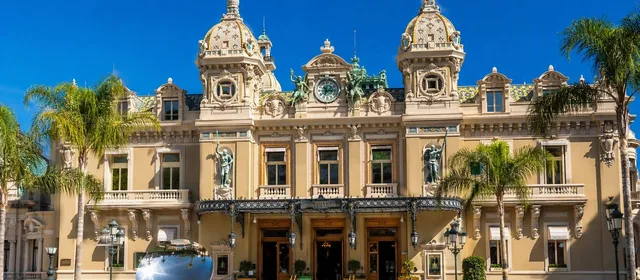
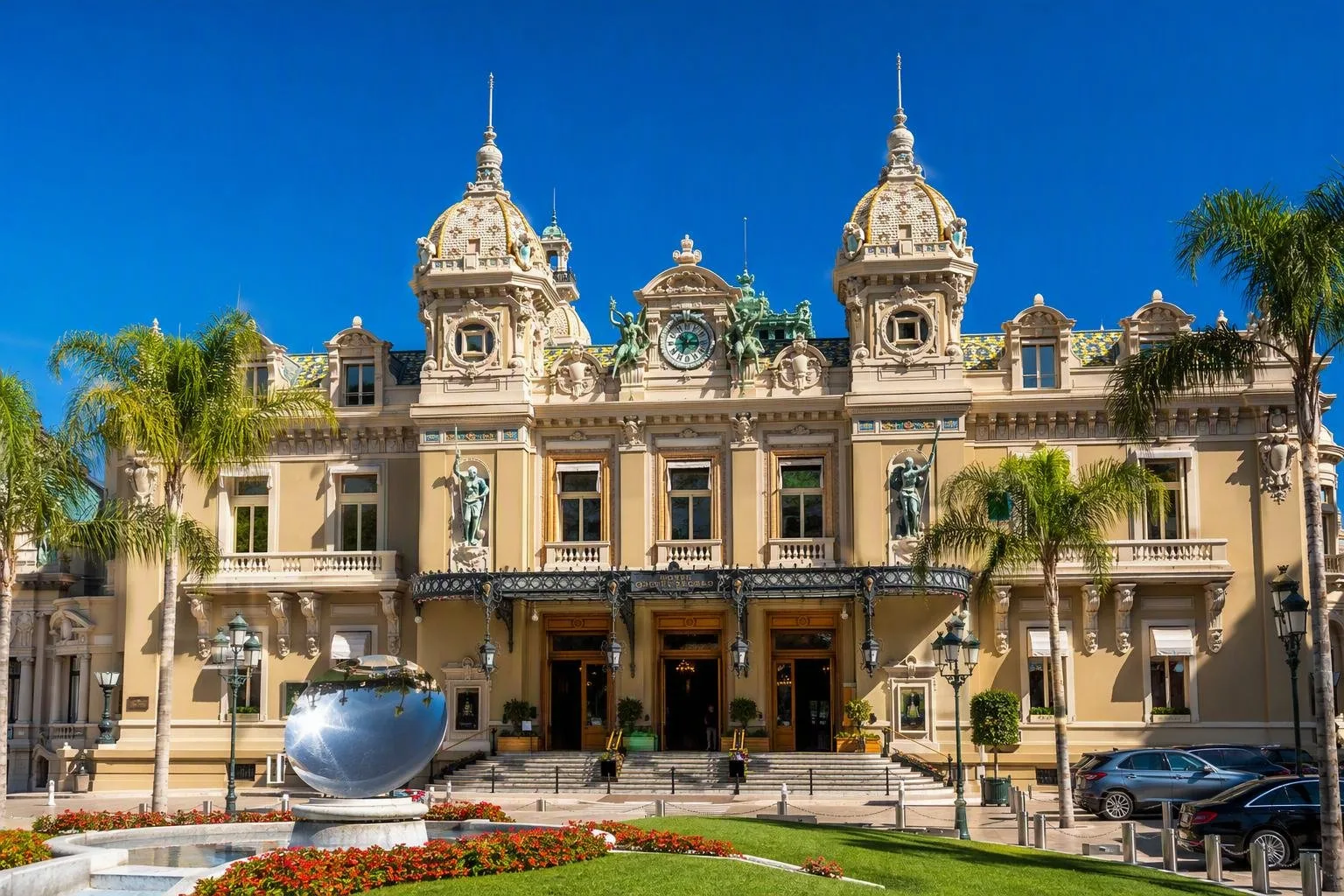
Monte-Carlo is Monaco’s 19th-century hillside neighbourhood, centred on Place du Casino above Port Hercule. Its casino, formal gardens and Belle Époque landmarks sit within a compact but sharply terraced street plan.
Orientation
Monte-Carlo occupies the former Spélugues plateau, uphill from Port Hercule and east of La Condamine. It is a neighbourhood rather than a separate city; the casino square is its obvious centre. The terrain matters: a short route can involve a substantial change in level, so use the public lifts, escalators and moving walkways rather than treating every connection as a level walk.
Place du Casino
Place du Casino is the district’s essential stop. Its paved open space faces three defining buildings:
- Casino de Monte-Carlo, whose first casino opened in 1863; the present ornate façade and interiors belong to the later Belle Époque development.
- Hôtel de Paris Monte-Carlo, opened in 1864.
- Café de Paris Monte-Carlo, on the square’s opposite side.
The casino complex also contains the Opéra Garnier. Behind and beside the square, the Jardins des Boulingrins and Jardins de la Petite Afrique provide a quieter route between the grand façades and surrounding streets. The casino’s free Atrium is useful for a close look at the building; visits to the gaming rooms run in the morning, while gaming access begins later in the day.
Beyond the square
Walk north on Avenue de Monte-Carlo and Boulevard des Moulins for shops, galleries and everyday services. Saint-Charles Church, consecrated in 1883, stands above this route. South-east of the square, the Fairmont Hairpin is a tight bend on the Monaco Circuit and a recognisable piece of the district even when no race is taking place.
Monte-Carlo is built for looking outward as well as moving through it. Streets and gardens open toward the Mediterranean, while the descent westward brings the harbour and the station zone back into view.
Arrival and moving around
Monaco–Monte-Carlo station is below the district in the hillside. Regional trains make it the practical arrival point from the Côte d’Azur; the station operates daily from 05:00 to 02:00. From there, follow the Monte-Carlo exit and use the uphill internal passages rather than climbing from the harbour.
Across Monaco, the pedestrian network includes public lifts, escalators and moving walkways. The Monaco Malin map identifies them by district and is particularly useful here, where parallel streets may sit several storeys apart.
Casino access
The square, gardens and streets are freely accessible. For the Casino de Monte-Carlo’s gaming rooms, bring photo identification: entry is restricted to visitors aged 18 and over, and appropriate dress is required. Do not assume that a morning architectural visit gives access to gaming areas; they operate separately.
From the magazine
Stories about Monte-Carlo
Editorial stories linked directly to Monte-Carlo.
No stories about Monte-Carlo have been published yet.
Routes from our editors
Travel through Monte-Carlo
Editorial routes connecting Monte-Carlo with other countries, cities and hotspots.
No routes through Monte-Carlo have been published yet.
More in Monaco
Related hotspots
Other cities, nature areas and places within Monaco.
Monaco-Ville
2 linked stories and routes
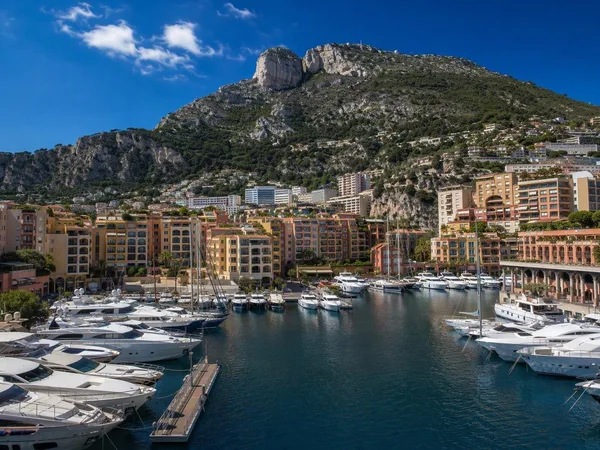
Fontvieille
2 linked stories and routes
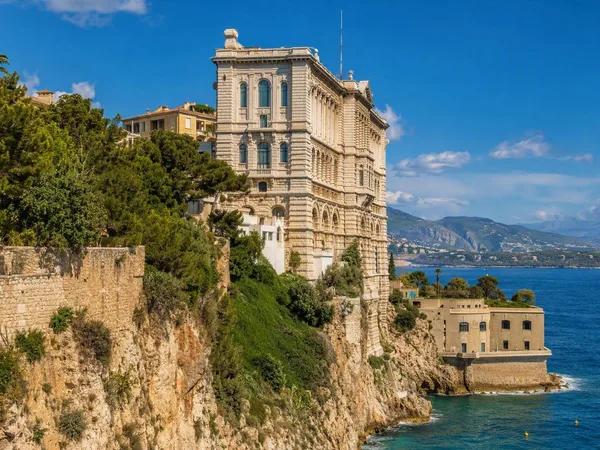
Rocher (Monaco-Ville)
2 linked stories and routes
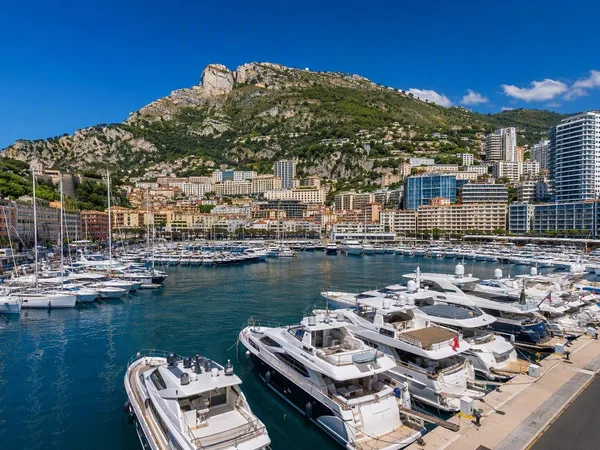
Port Hercule
2 linked stories and routes
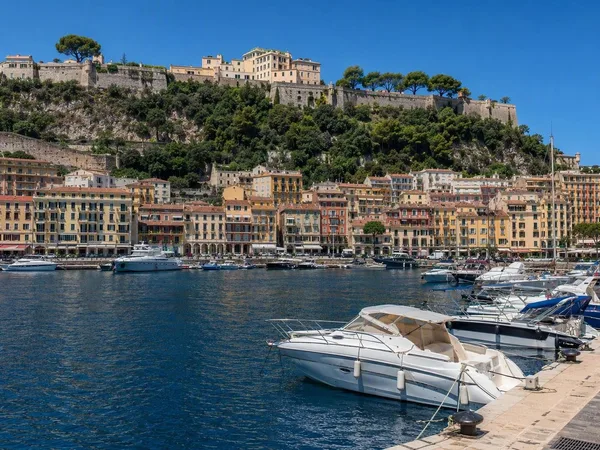
La Condamine
1 linked stories and routes
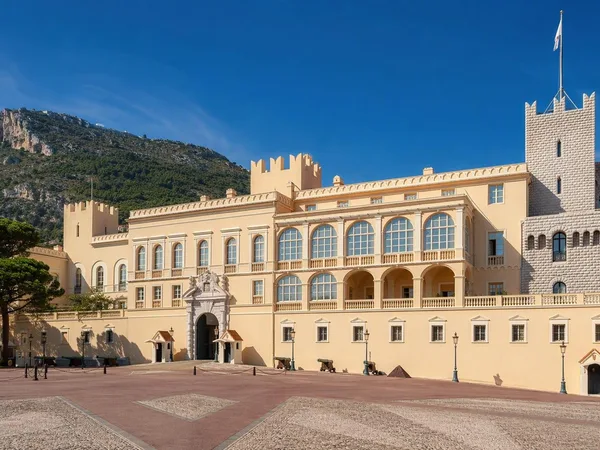
Palais Princier
1 linked stories and routes
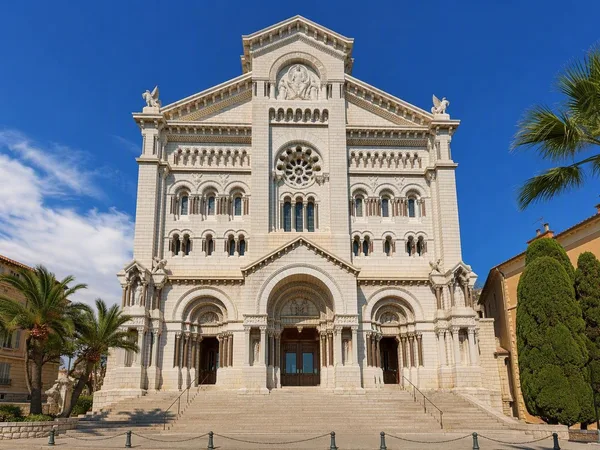
Cathédrale Notre-Dame-Immaculée
1 linked stories and routes
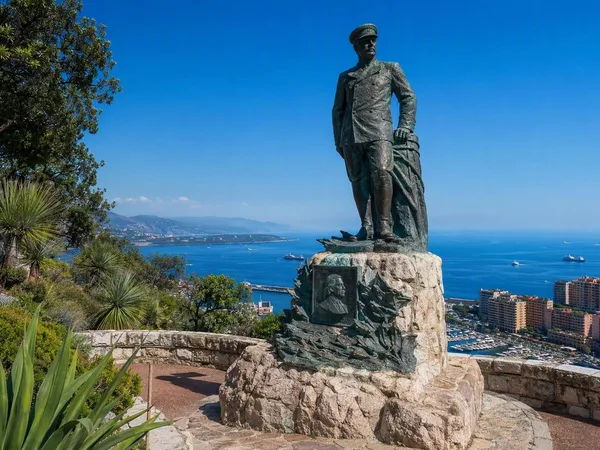
Jardins Saint-Martin
1 linked stories and routes
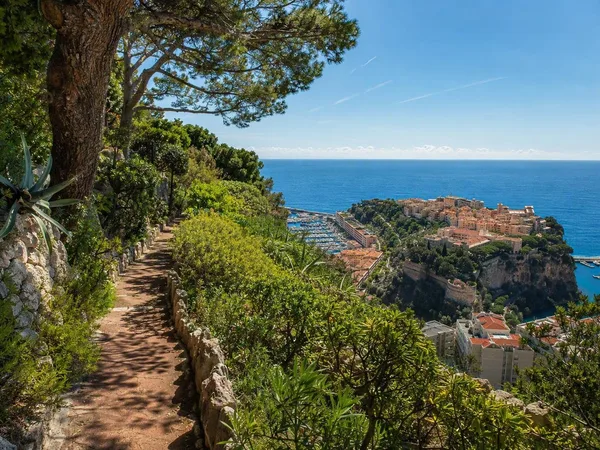
Sainte-Barbe, Monaco-Ville
1 linked stories and routes
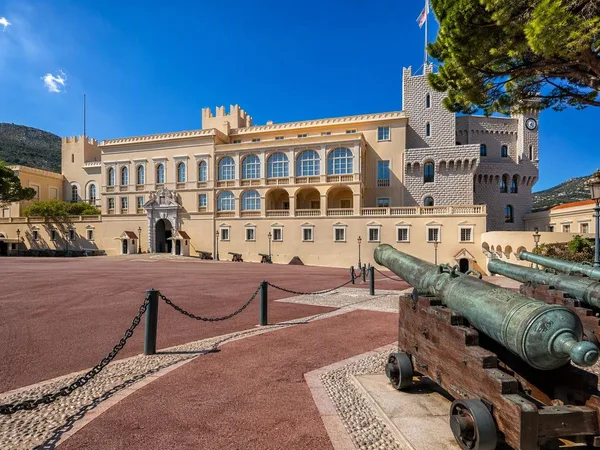
Place du Palais
1 linked stories and routes
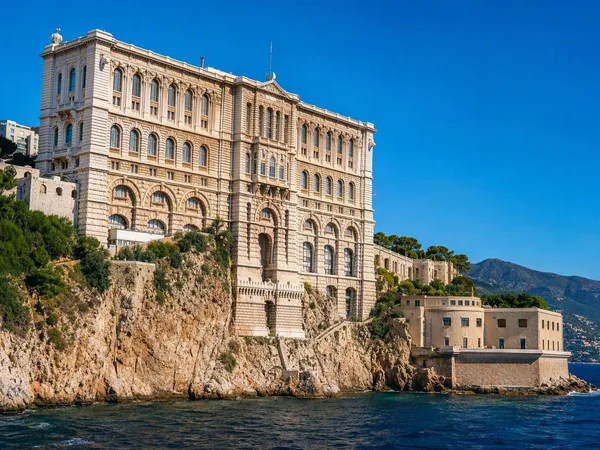
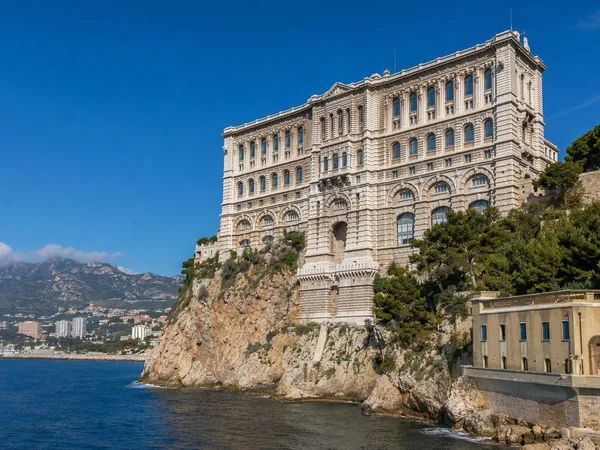
Oceanographic Museum of Monaco
1 linked stories and routes