
City · Andorra
Escaldes-Engordany
Escaldes-Engordany is Andorra’s thermal-water town, joined directly to Andorra la Vella in the Valira valley. Its glass Caldea tower, old Engordany lanes and riverside art route make it a distinct stop rather than merely an extension of the capital.
Get your bearings
Escaldes-Engordany is Andorra’s seventh and newest parish, created in 1978. Its built-up centre combines the formerly separate settlements of Escaldes and Engordany, with Andorra la Vella immediately to the west. The Valira and the steep-sided valley give the town a compact, vertical feel.
For an efficient first walk, use Plaça Santa Anna and Avinguda Carlemany as orientation points. Carlemany is the commercial spine; the older streets and the river lie close by. The central area is easily covered on foot, but higher parish sights are separate mountain outings.
Thermal water and Caldea
Hot springs define Escaldes. At the Roc del Metge spring, water emerges at 70°C; it is not a place for bathing. Follow the riverside Caldes project instead, where thermal water, fountains and public art explain why water shaped this district.
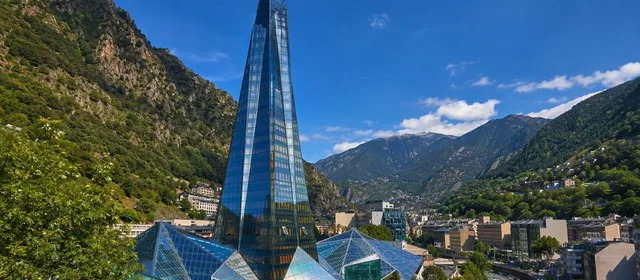
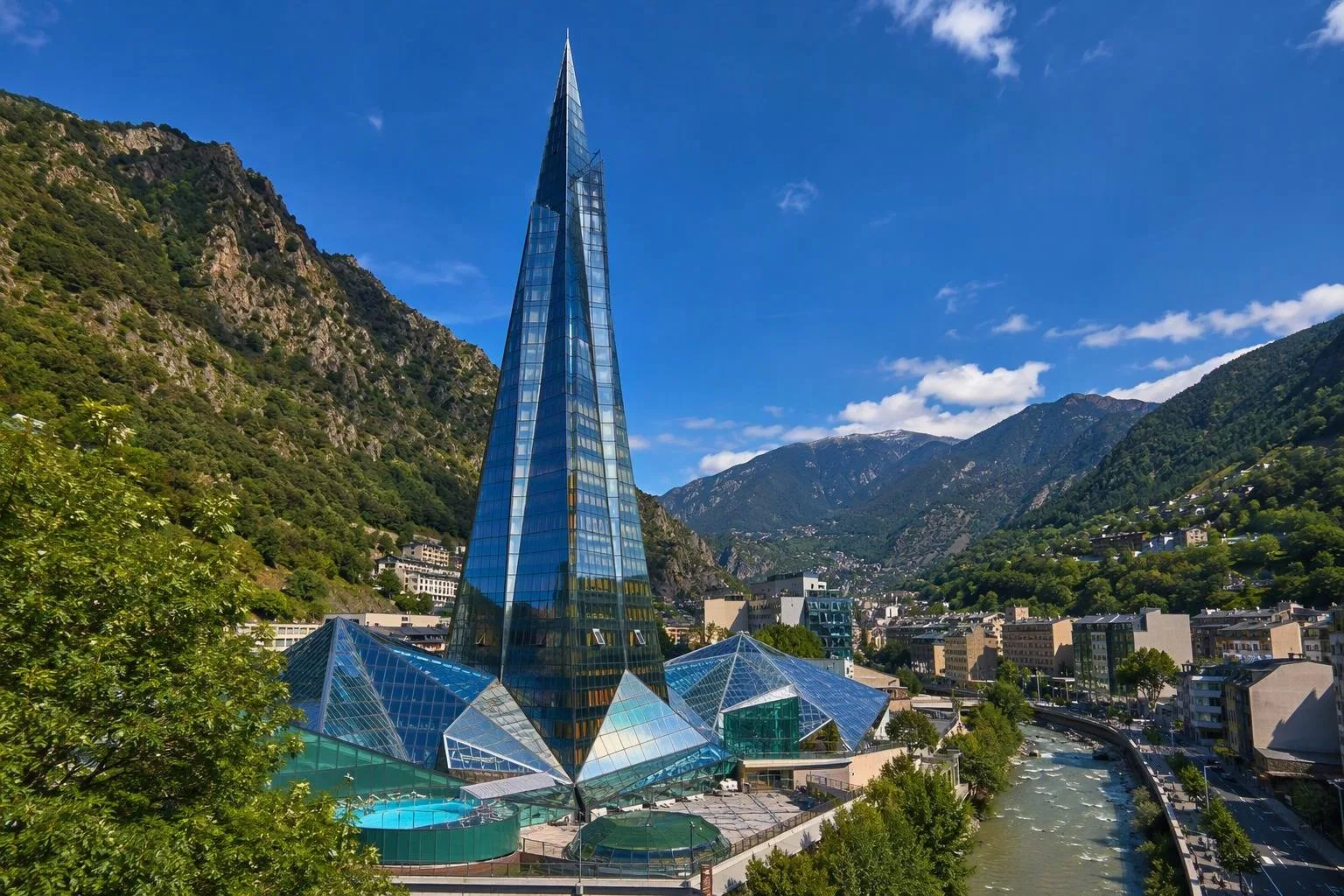
Caldea is the major modern expression of that heritage: a thermal leisure complex in a dramatic glass building. Its 80-metre tower is the dominant landmark in the valley. Entry is timed and areas have different age rules; arrive around 30 minutes before a booked session. Bring swimwear. The Classic area admits children from five, while Premium is for guests aged 16 and over.
Old Engordany and the river
Leave the shopfronts for the Engordany Route, a walk through narrow lanes, stone houses and viewpoints that traces the parish’s rural and early-20th-century identity. The medieval-origin Engordany Bridge is the historic link between the two old centres.
Along the Valira, stop at Espai Caldes, positioned between the Tosca and Engordany bridges. This contemporary exhibition space has a glass lookout over the river and is accessible for visitors with reduced mobility. Nearby, the Escaldes-Engordany Art Centre occupies a 1932–34 granite building and combines Josep Viladomat sculpture, Romanesque-art models and changing exhibitions.
Go higher deliberately
The parish extends into serious mountain country. Sant Miquel d’Engolasters, a 12th-century Romanesque church with a 17-metre bell tower, is an elevated visit rather than a continuation of the town stroll; its interior opens in summer.
The parish also shares the Madriu-Perafita-Claror Valley, a World Heritage cultural landscape of stone tracks, terraces, summer settlements and high pastures. There is no road through the valley. Treat it as a proper hike, not an urban detour; routes above 1,700 metres are generally best tackled from late June to late September, when conditions allow.
From the magazine
Stories about Escaldes-Engordany
Editorial stories linked directly to Escaldes-Engordany.
No stories about Escaldes-Engordany have been published yet.
Routes from our editors
Travel through Escaldes-Engordany
Editorial routes connecting Escaldes-Engordany with other countries, cities and hotspots.
No routes through Escaldes-Engordany have been published yet.
More in Andorra
Related hotspots
Other cities, nature areas and places within Andorra.
La Margineda
1 linked stories and routes
Santa Coloma, Andorra
1 linked stories and routes
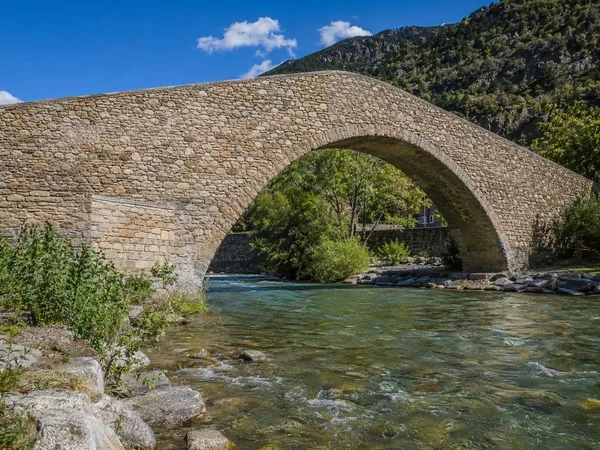
Pont de la Margineda
1 linked stories and routes
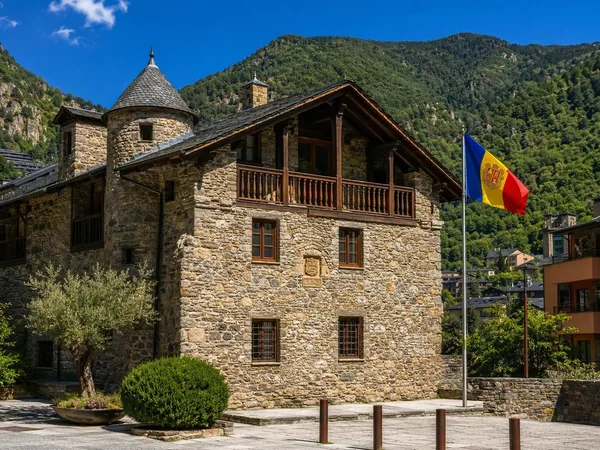
Andorra la Vella
1 linked stories and routes
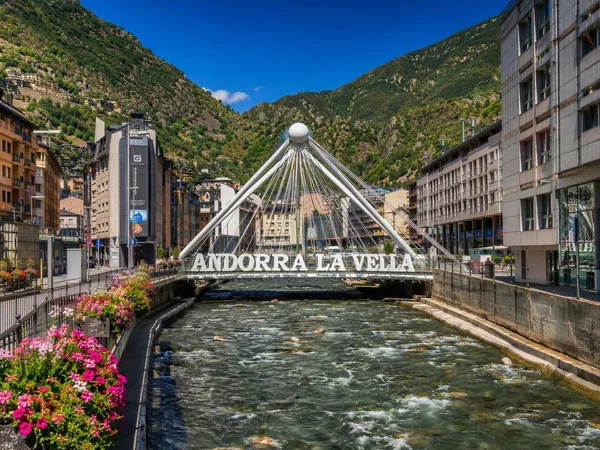
Valira River
1 linked stories and routes
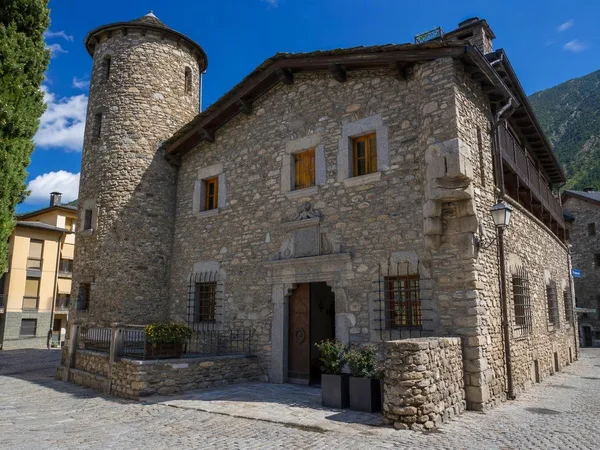
Barri Antic, Andorra la Vella
1 linked stories and routes
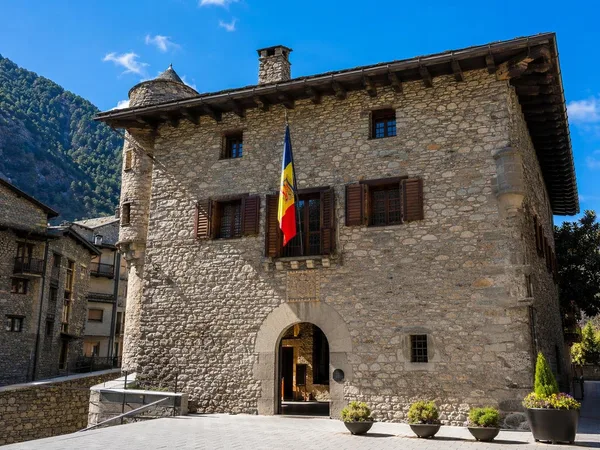
Casa de la Vall
1 linked stories and routes