
City · Andorra
Andorra la Vella
Andorra la Vella is Andorra’s capital, laid out along the Valira in a steep Pyrenean valley. Its compact old quarter, former parliament and retail streets show the city’s political and commercial roles side by side.
Get your bearings
Andorra la Vella occupies the floor and lower slopes of the Valira valley in the south-west of Andorra, at roughly 1,020 metres above sea level. The river gives the city its long, compressed shape: traffic corridors, shops and apartment blocks run along the valley floor, while the old town climbs the slope above.
The centre merges into Escaldes-Engordany to the east, but Andorra la Vella’s historic core sits around Plaça Príncep Benlloch, Carrer de la Vall and the Barri Antic. This is the part to explore on foot before moving to the larger retail avenues below.
Start in the old quarter
The Barri Antic retains narrow lanes, small squares and low stone houses in the Pui, Puial, Barri Antic and Cap del Carrer districts. It is a useful contrast to the modern centre, not a separate museum precinct: small shops and places to eat remain woven into the streets.
Key stops are close together:
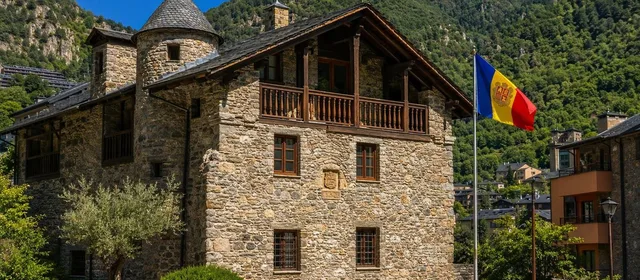
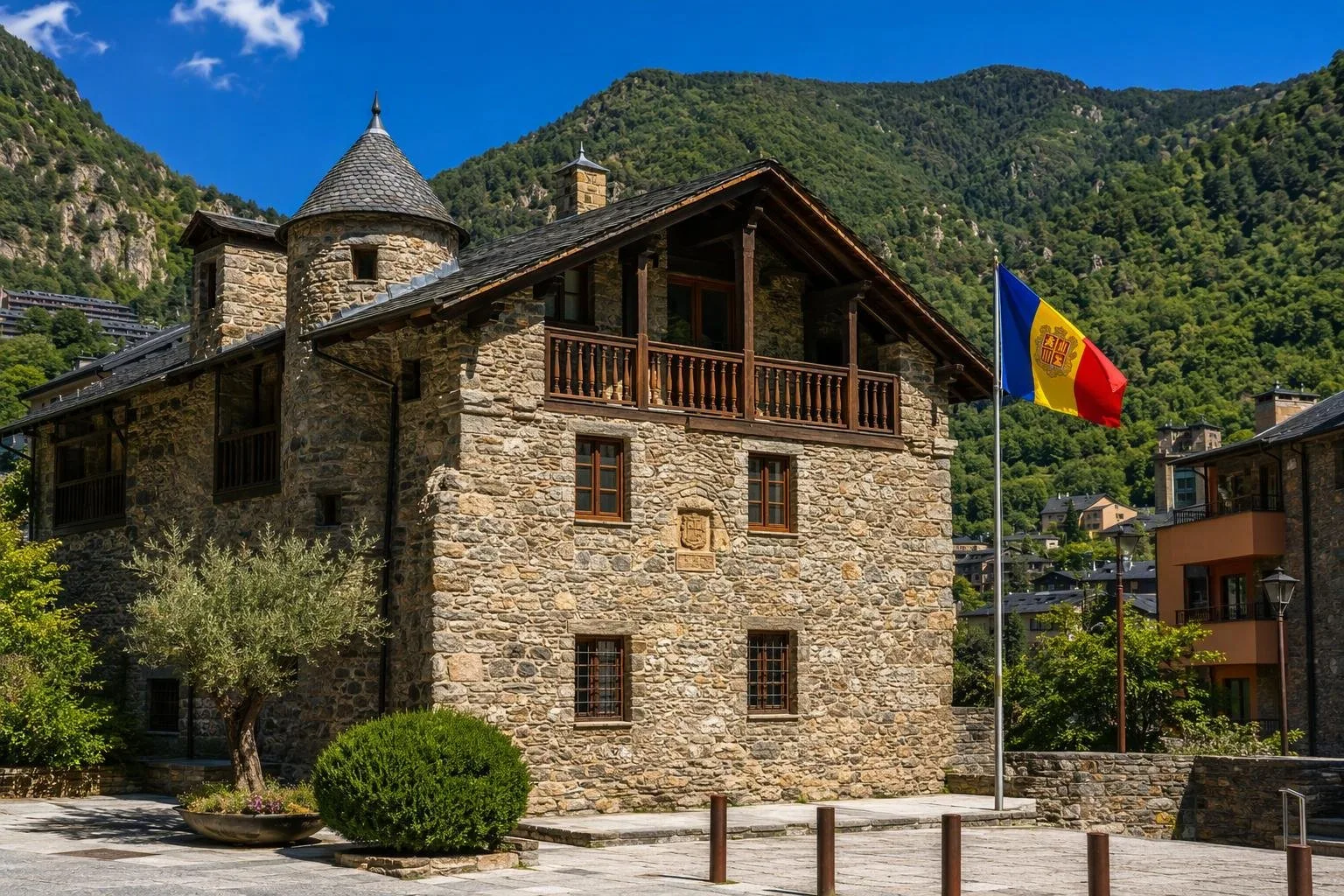
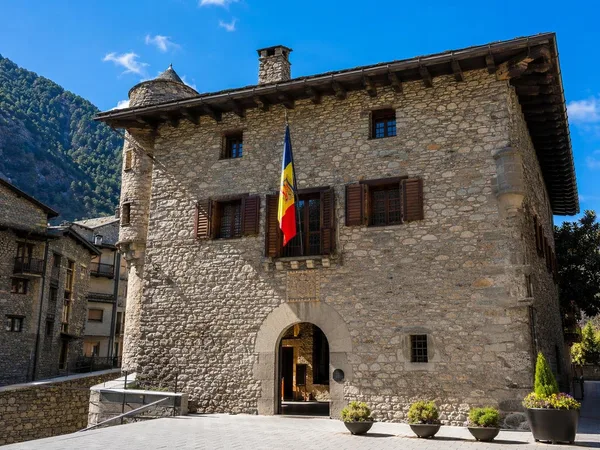
- Casa de la Vall — a fortified house built in 1580, bought by Andorra’s parliament in 1702 and used as its seat until 2011. Its defensive details, slate roof and position above the valley make it the essential landmark.
- Sant Esteve Church — look for the surviving Romanesque semicircular apse and bell tower; the church’s older fabric dates to the 12th century.
- Plaça del Poble and the parliamentary area — a good point for reading the city’s dense valley setting.
Casa de la Vall is a ticketed monument; guided visits require advance reservation. Its historic structure is not adapted for visitors with reduced mobility.
Follow the Valira south
The Valira is the country’s principal river and the city’s clearest line of orientation. A riverside walk links central Andorra la Vella with neighbouring Escaldes-Engordany, while the valley continues south through Santa Coloma toward La Margineda.
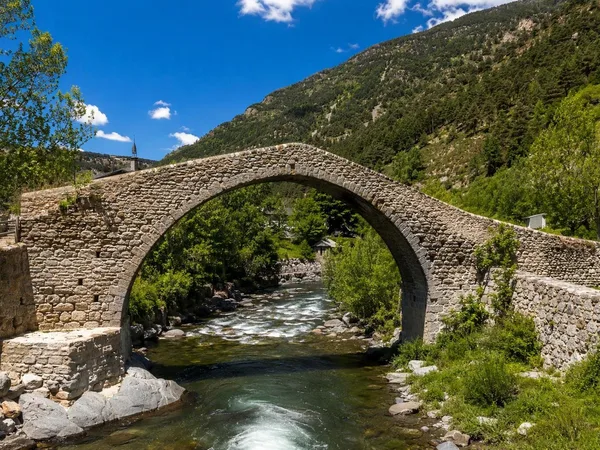
At La Margineda, the Pont de la Margineda crosses the river on a single stone arch. Built in the 15th century on the old Royal Road between Sant Julià de Lòria and Andorra la Vella, it is 33 metres long with a 9.5-metre span. It is the largest surviving medieval bridge in Andorra. Pair it with a short look at the river rather than treating it as a full-day destination.
City rhythm and practical approach
Use the old quarter for history and the valley floor for everyday city life: shops, hotels, restaurants and services concentrate along the broader central streets. The terrain is decisive. Walking works well within the centre, but routes between the river, old town and surrounding slopes include gradients.
For a first visit, allow time to walk uphill through the Barri Antic, then descend to the Valira. The contrast—from stone lanes and a former parliament to the compact commercial centre—is the point of Andorra la Vella.
From the magazine
Stories about Andorra la Vella
Editorial stories linked directly to Andorra la Vella.
No stories about Andorra la Vella have been published yet.
Routes from our editors
Travel through Andorra la Vella
Editorial routes connecting Andorra la Vella with other countries, cities and hotspots.
No routes through Andorra la Vella have been published yet.
More in Andorra
Related hotspots
Other cities, nature areas and places within Andorra.
La Margineda
1 linked stories and routes
Santa Coloma, Andorra
1 linked stories and routes
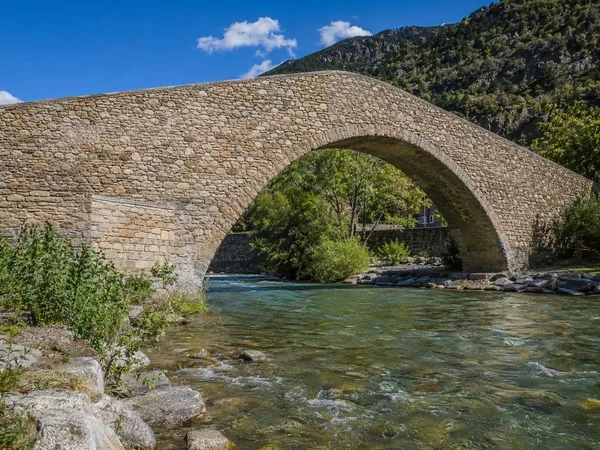
Pont de la Margineda
1 linked stories and routes
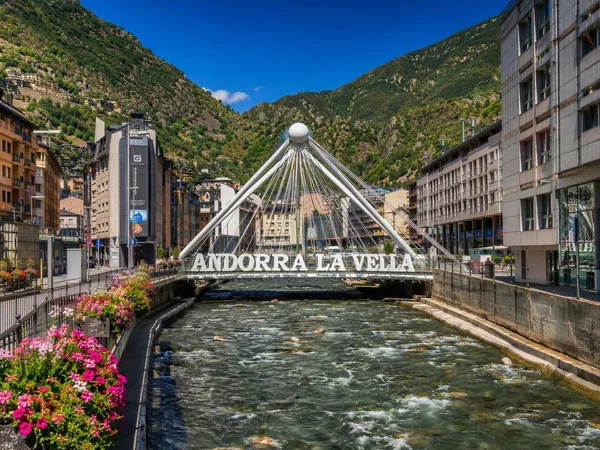
Valira River
1 linked stories and routes
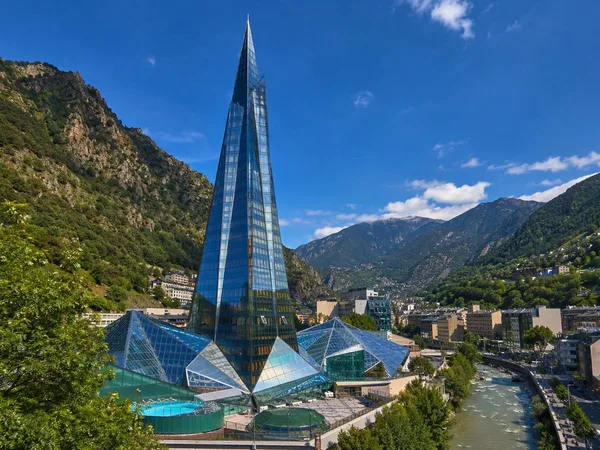
Escaldes-Engordany
1 linked stories and routes
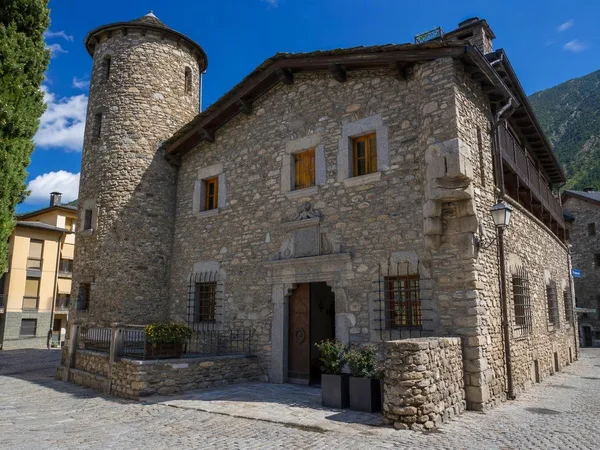
Barri Antic, Andorra la Vella
1 linked stories and routes
Casa de la Vall
1 linked stories and routes