Region · Timor-Leste
Lautém
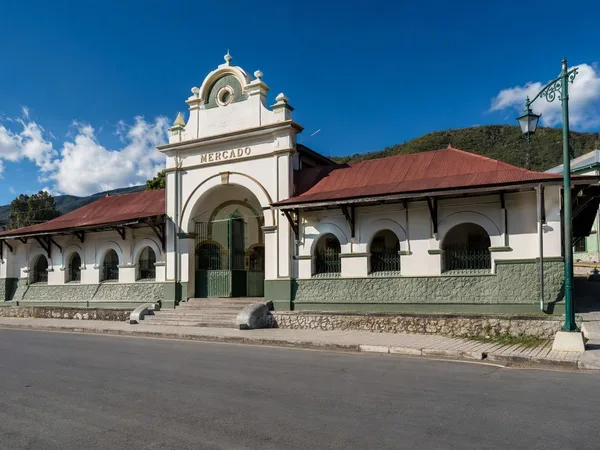
Lautém is Timor-Leste’s easternmost municipality, centred on Lospalos and extending from forested uplands to the shores near Tutuala and Jaco Island. It is a key homeland of Fataluku culture and a major centre for distinctive tais weaving.
Orientation
Lautém occupies the far east of Timor-Leste. Its municipal seat is Lospalos, the practical base for supplies and onward travel, while the municipality also includes Lautém, Iliomar, Luro, Tutuala and Loré administrative posts. Fataluku is widely spoken alongside Tetum and Portuguese.
The name is tied to the Fataluku words lau (cloth) and teinu (sacred): a useful introduction to a place where textiles are not simply decorative objects.
Tais: the defining craft
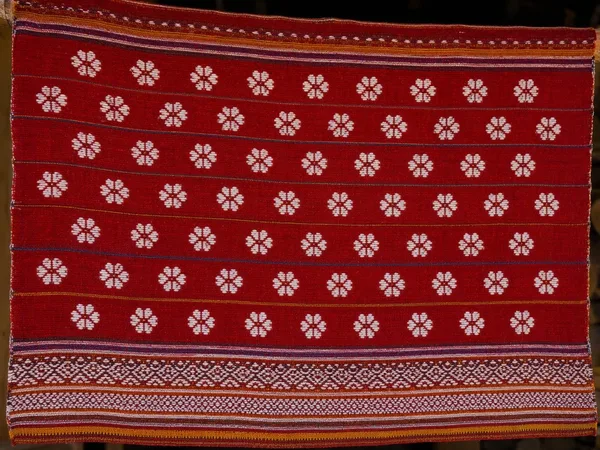
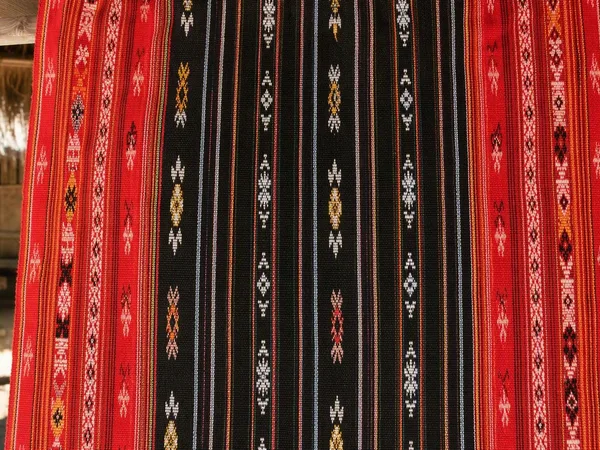
Tais is handwoven on a backstrap loom and carries identity, kinship and ceremonial purpose. In Lautém, weavers make futus—also called sisirana locally—a warp-ikat technique. Selected warp threads are tightly bound before dyeing; the bindings resist colour, so the pattern is established in the yarn before weaving begins.
Natural colour sources include leaves, bark, roots, ash, clay and earth. Indigo and morinda are associated with Lautém’s characteristic black-and-red effects. Repeated binding and dyeing create the more intricate colour sequences.
Reading regional designs
In Lospalos and the Iliomar highlands, tais is connected with the Fataluku idea of lau teinu, or sacred textile. Treat named cloths as designs with a social setting, not loose motifs to be copied or casually relabelled.
Look for:
- Nunukala of Lospalos: orange border bands framing dark cotton fields, with the kawaili motif—a gecko familiar around Timorese homes.
- Pailale and Watahasa of Iliomar: rows of white flowers against deep red fields.
- Pailale’s rose motif: transmitted through the maternal line as an essential element of that named design.
At births, weddings, funerals and reconciliation ceremonies, tais can formalise relationships between giver and receiver. At Lautém weddings, aunts and sisters from both families dress the bride in three tais.
Places and landscapes
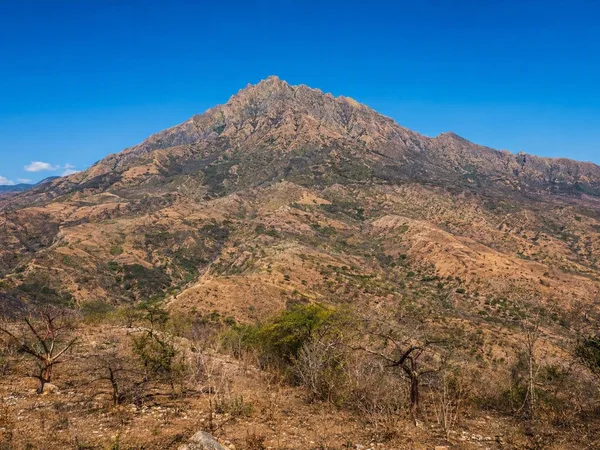
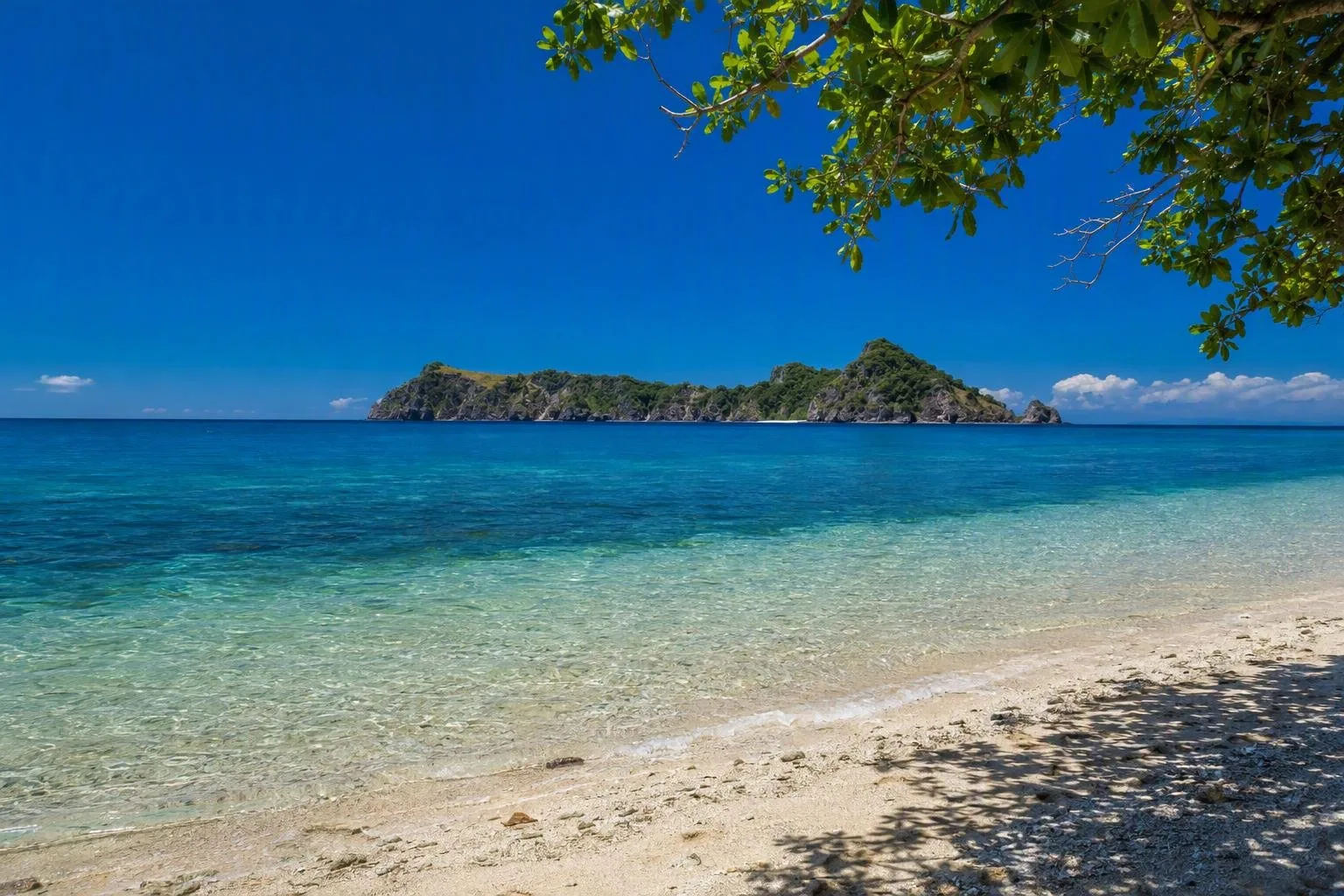
Lospalos is the municipal hub and the place to begin with the region’s markets and everyday Fataluku life. East of it, the municipality opens into Nino Konis Santana National Park, limestone caves and rock-art country around Tutuala, Lake Ira Lalaro, and the coast facing Jaco Island.
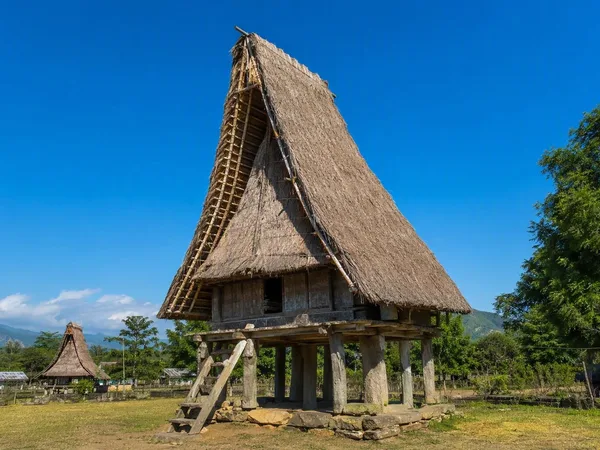
Jaco is a sacred, undeveloped island; Valu Beach is the mainland shoreline associated with its crossing. Treat sacred houses, ritual sites and textiles with the same restraint: ask before photographing people, homes, cloth or ceremonies.
Moving through Lautém
Use Lospalos as the staging point for the eastern coast, Tutuala and park landscapes. Distances are substantial across this 1,800-plus km² municipality, and services thin out beyond the town. Carry water, fuel and cash before heading into remote areas, and arrange local guidance where access runs through villages or culturally sensitive places.
From the magazine
Stories about Lautém
Editorial stories linked directly to Lautém.
No stories about Lautém have been published yet.
Routes from our editors
Travel through Lautém
Editorial routes connecting Lautém with other countries, cities and hotspots.
No routes through Lautém have been published yet.
More in Timor-Leste
Related hotspots
Other cities, nature areas and places within Timor-Leste.