City · Timor-Leste
Baucau
Baucau is Timor-Leste’s second-largest city, on a plateau above the north coast about 120 km east of Dili. Its compact old town combines Portuguese-era civic architecture, a spring-fed public pool and a living textile tradition.
Read the city correctly
Baucau has two distinct levels. Vila Antiga, the old town, holds the Portuguese-era public buildings, cathedral, Pousada and former municipal market on the hillside. The newer town is the practical centre for everyday shopping and road transport. The old quarter is compact enough to explore on foot, but the climb between the two levels is steep.
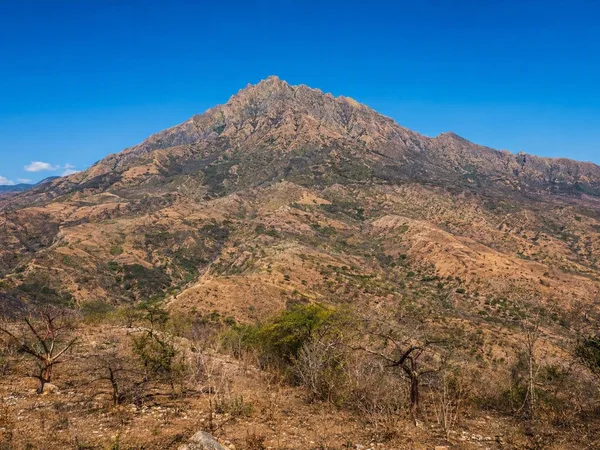
The city sits above the coast rather than on it. That plateau setting gives the old town open views and makes Baucau a useful stop on the eastbound road from Dili.
Start in the old town
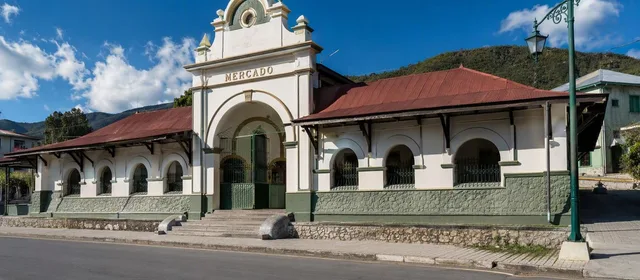
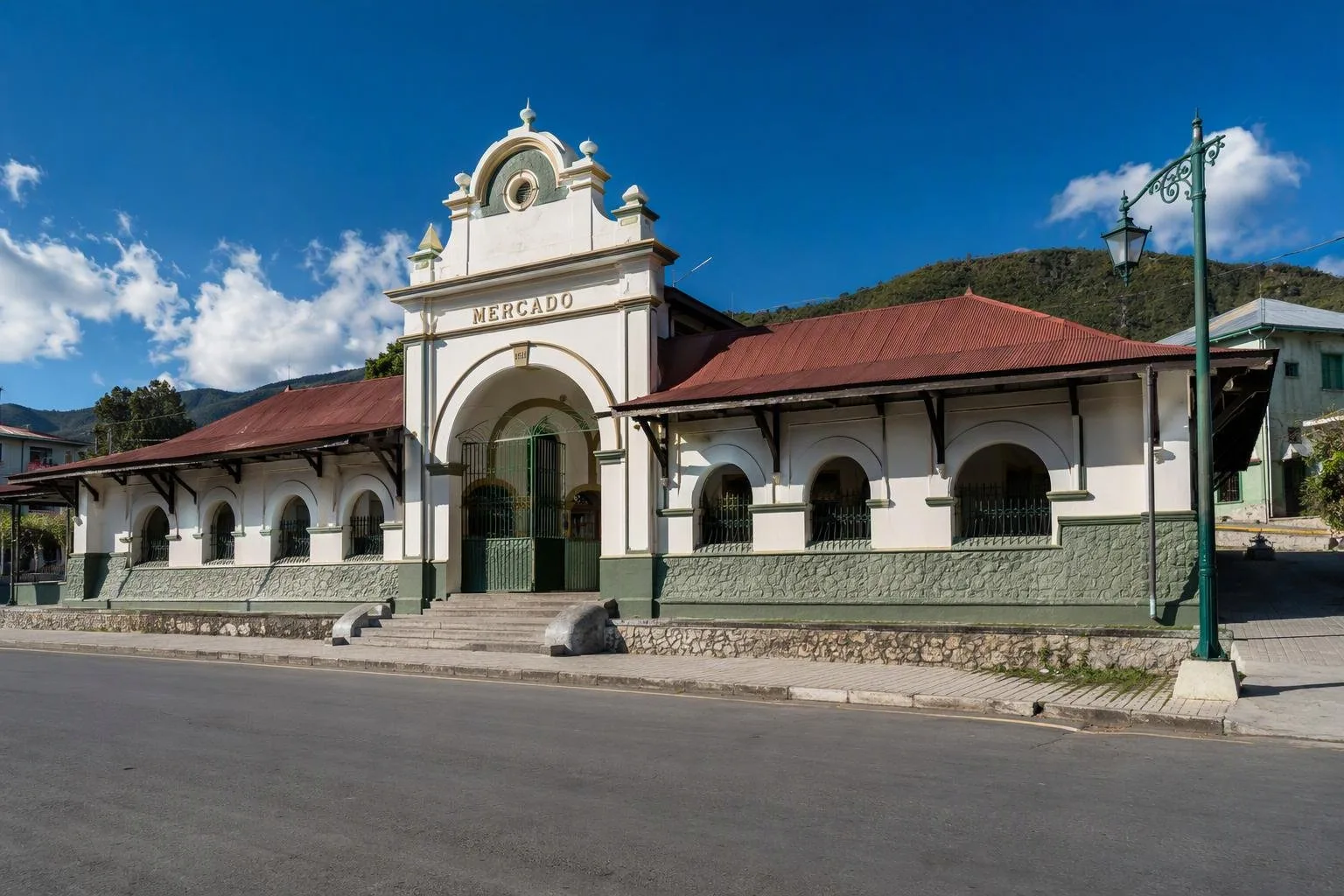
The restored Municipal Market of Baucau is the essential landmark. Built in the Portuguese period, damaged more than once during twentieth-century conflict and restored in 2014, it now serves as a cultural centre. Its arcades, towers and broad stairways make it the clearest piece of civic architecture in town.
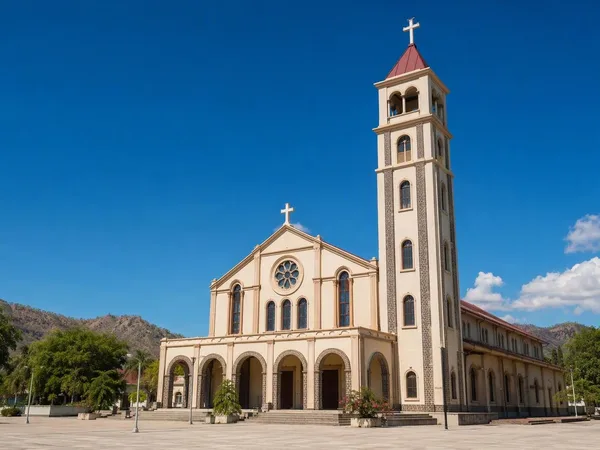
Walk from the market square through the surrounding streets for the town’s older fabric: public buildings, churches and shaded lanes rather than a formal museum district. Nearby, the pink Pousada de Baucau remains a prominent colonial-era building. St Anthony Cathedral is another practical landmark in the old town.
Swim at Piscina de Baucau
Baucau’s public pool is fed by a natural spring and set in gardens near the old town. It is a local facility, not a resort pool; bring what you need and keep the visit low-key. The water offers a practical break from walking in the heat.
The pool is drained for maintenance on Mondays and Thursdays, so plan another activity for those days.
Tais: colour carries meaning
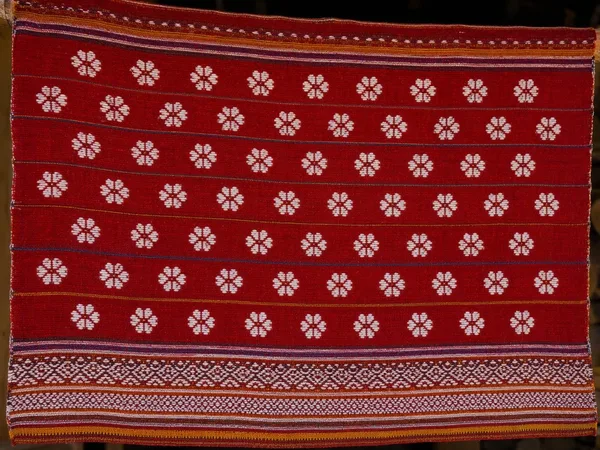
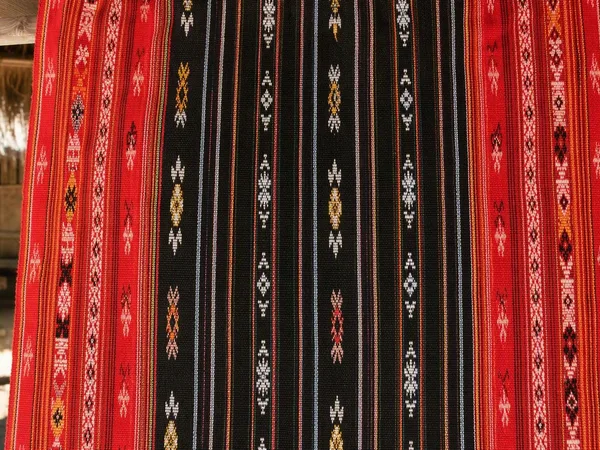
Baucau is one of the places to understand tais, Timor-Leste’s handwoven cotton textile. Tais is used in dress, ceremonies, family exchange and celebrations; colours and motifs signal community and social meaning rather than simply decoration.
In Baucau’s textile tradition, broad red bands are associated with festive rituals and broad black bands with funerals. More recent multicoloured floral designs are used for celebratory occasions outside ritual settings. Do not treat a cloth’s palette as a generic souvenir code: provenance and intended use matter. Ask sellers about the maker, community and whether a piece is made for sale. Some ceremonial textiles are not.
Arriving and moving around
The paved route from Dili is about 120 km and commonly takes three to four hours by road. Buses and shared local transport use the newer town; arrange onward transport before heading to the coast or rural sites.
Within the old town, walk. For the rise to the new town, use local transport or take the hill slowly, especially in midday heat. Carry cash for small purchases and transport: this is a regional city with limited visitor infrastructure, not a place built around card payments.
Timing and conduct
The drier months are generally the most straightforward for road travel and walking. Start the old town in the morning or later afternoon, when the slopes are less punishing.
At markets, churches and cultural venues, dress modestly and ask before photographing people or textiles. Baucau’s value lies in ordinary civic life as much as its architecture; keep doorways, stalls and religious spaces unobstructed.
From the magazine
Stories about Baucau
Editorial stories linked directly to Baucau.
No stories about Baucau have been published yet.
Routes from our editors
Travel through Baucau
Editorial routes connecting Baucau with other countries, cities and hotspots.
No routes through Baucau have been published yet.
More in Timor-Leste
Related hotspots
Other cities, nature areas and places within Timor-Leste.