
Timor-Leste

Reefs, coffee country and mountain villages

Timor-Leste

Timor-Leste pairs close-to-shore coral reefs with coffee-growing highlands, Portuguese traces, and a strong local culture.

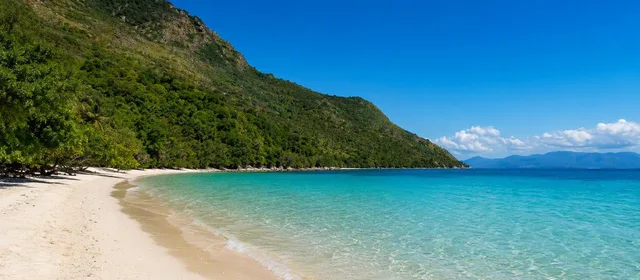
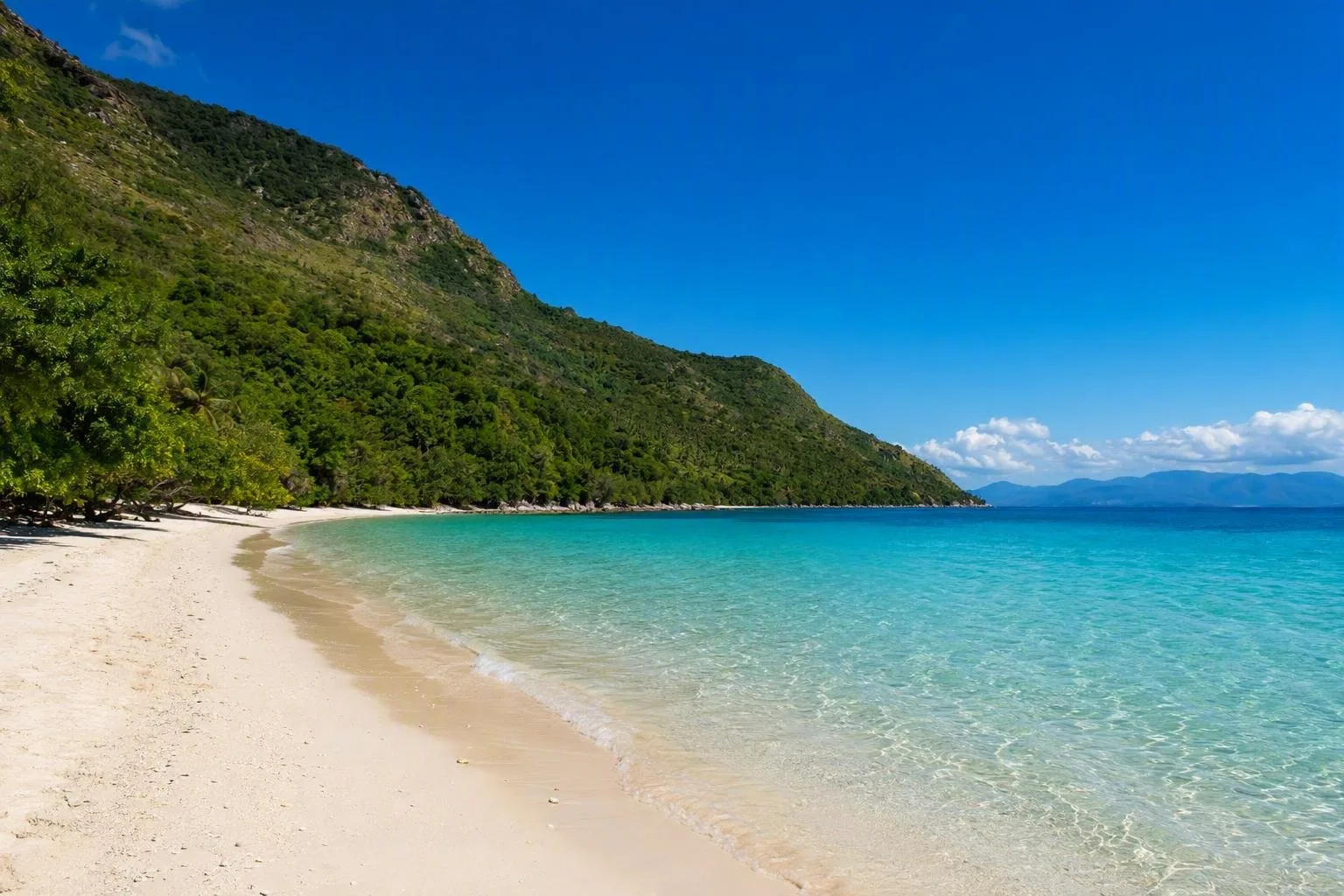
Timor-Leste packs sharp changes into a small stretch of island. In Dili, dry hills stand behind the waterfront and fishermen work close to the city. East along the coast, beaches and small villages break up the road to Baucau, where Portuguese-era buildings remain part of the townscape. Across the channel, Atauro Island offers clear water, coral reefs close to shore, and coves below forested slopes. Inland, the roads climb into cooler country, through coffee trees, steep fields, and mountain settlements.

Dili also gives the country’s recent history a clear place in view. The Resistance Museum records the Indonesian occupation and the struggle that ended with independence in 2002. Tetum fills daily conversation, while Portuguese place names, Catholic churches, Indonesian influences, and customary practices all remain visible. Families protect ancestral houses, or uma lulik, and weavers make tais cloth in patterns that identify particular communities and regions.

In Ermera, arabica coffee grows beneath shade trees. Around Maubisse, terraced slopes surround a former Portuguese hill station. At market stalls and roadside kitchens, people sell grilled fish, rice, corn, cassava, and batar da’an, a stew of corn, beans, and pumpkin. Dili’s markets add piles of produce and folded tais to the daily bustle. Spend time by the sea, then head into the hills, and Timor-Leste starts to show its depth. It is a good place to slow down, eat well, and meet people who know their towns and traditions closely.

When to go

Best time to travel

The monthly values are indicative average maximum temperatures for Dili and the north coast. Conditions vary meaningfully with altitude and between the wetter south coast, the drier north coast, and the central mountains. The monthly values are indicative average maximum temperatures for Dili and the north coast. Conditions vary meaningfully with altitude and between the wetter south coast, the drier north coast, and the central mountains.

jan31°C feb31°C mar31°C apr31°C may31°C jun30°C jul30°C aug30°C sep31°C oct32°C nov32°C dec32°C

Weather in the capital

Practical Timor-Leste

On every country page we show the current weather for the capital.

Dili
Morning27°Covercast
Afternoon33°Covercast
Evening27°Covercast
today33°C / 22°Chigh and low

Current forecast by Open-Meteo

Visa and entry

Requirements depend on nationality, purpose, and length of stay. Check the latest information with the Migration Service of Timor-Leste before travelling.

Getting around

Microlets run set routes in Dili, while buses and shared vehicles connect larger towns. Mountain roads can make short distances slow. A private driver can help beyond the main routes.

Money and payments

Timor-Leste uses US dollar notes and local centavo coins. Cash is essential outside Dili, and small notes are useful at markets, on microlets, and in rural shops.

Where to stay

Dili has the widest choice of hotels and guesthouses. Elsewhere, stays tend to be smaller and simpler, with limited options on Atauro and in mountain towns.

Before you leave

Worth knowing

A practical starting point for your trip. Check current conditions and local information before you leave.

01

Languages

Tetum and Portuguese are the official languages. Indonesian is common, and English is used in some tourism and business settings.

02

Calling code

The international calling code is +670.

03

Driving side

Traffic drives on the left.

04

Measurements

Timor-Leste uses the metric system for distance, weight, and temperature.

05

Tipping

Tipping is not firmly established. You can round up or leave a small amount for good service, but it is optional.

06

Meals and dining

Rice, corn, cassava, vegetables, fish, and meat are common foods. Lunch and dinner are the main meals, and casual places may stop serving when they sell out.

07

Business hours

Offices generally open Monday to Friday, and some close around midday. Shop hours vary, and many businesses close or shorten their hours on Sunday.

08

Mobile connectivity

Prepaid local SIM cards are widely used and require registration. Coverage is strongest in Dili and larger towns and can be patchy in mountain areas.

09

Microlets and shared transport

Colourful microlets run numbered routes in Dili. Signal the driver to stop, confirm the route if needed, and pay as you leave.

10

Domestic ferries

Passenger ferries connect Dili with Atauro Island and the Oecusse enclave. Departure days and times can change, so confirm the schedule locally.

11

Addresses and navigation

Street numbers are inconsistent outside central Dili. Drivers and residents often use neighbourhood names, junctions, shops, churches, and other landmarks for directions.

12

Homes and sacred sites

Ask before entering an uma lulik or taking photographs at sacred places. Follow your host’s lead in homes, dress respectfully, and remove your shoes when asked.