
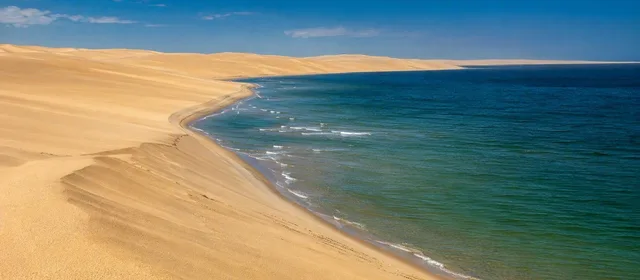
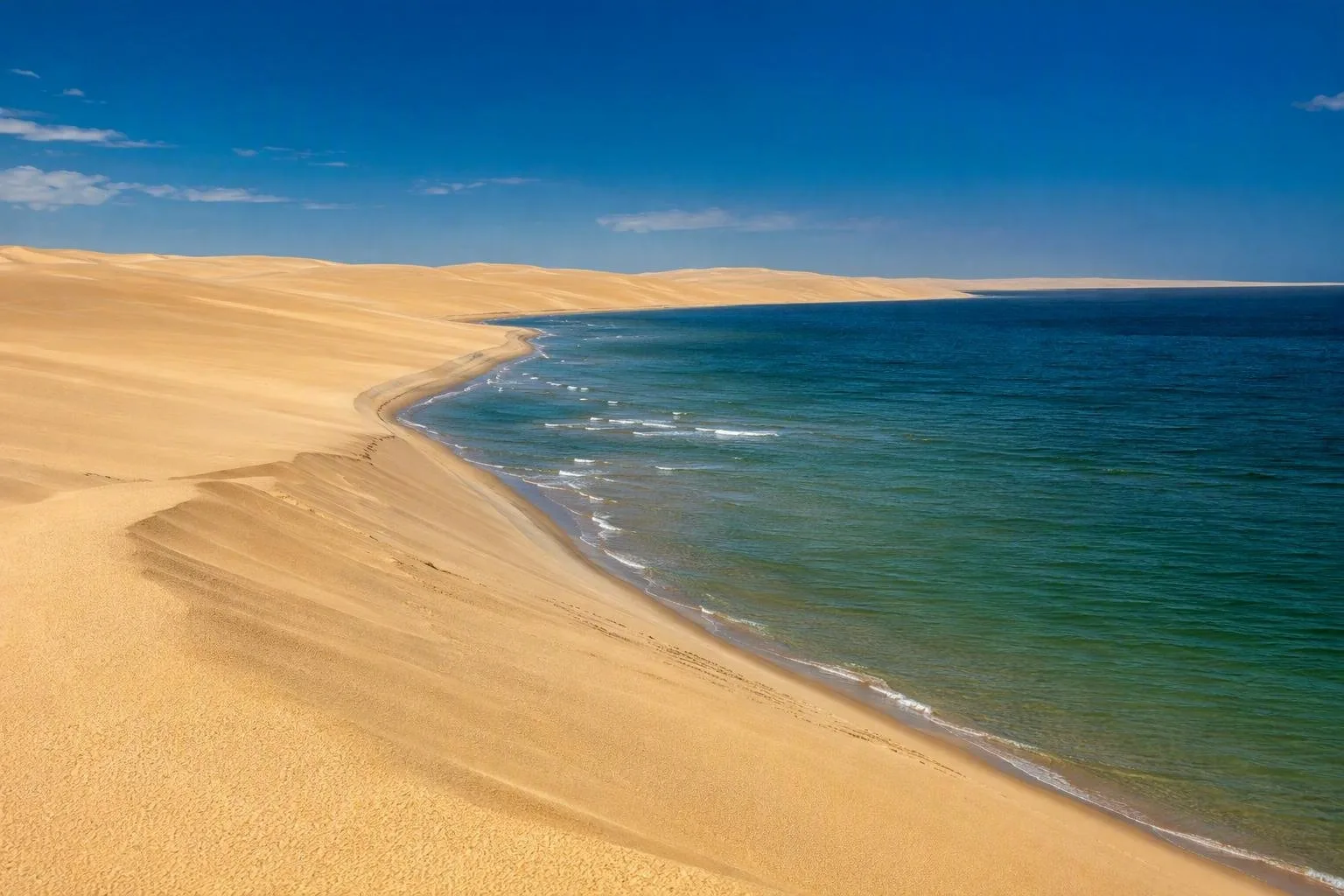
At Khor Al Adaid, golden dunes meet tidal water near the Saudi border. In Doha, glass towers rise behind wooden dhows along the Corniche. The two scenes lie on the same small peninsula, yet they show very different parts of Qatar. Fishing, pearling and trade shaped life along the coast before natural-gas wealth financed museums, metro lines and striking new buildings. Dhow hulls still line the bay. The National Museum of Qatar traces desert life, pearl diving and the rise of the modern state through objects, films and archives.
Doha shows that history in places with very different moods. In Souq Waqif, restored mud-walled lanes hold spice shops, fabric merchants, cafés and falcon stalls. Across the water, the Museum of Islamic Art displays manuscripts, ceramics, metalwork and textiles from across the Islamic world. At Education City, the Qatar National Library and Mathaf bring books and modern Arab art to a university district.
Outside the capital, Al Zubarah’s excavated houses and fort reveal the workings of an 18th-century pearling town. Mangroves stand in shallow water at Al Thakhira, while the tide cuts new lines along the shore at Khor Al Adaid. Order machboos with spiced rice, meat or fish, then stop for sweet karak tea, a familiar link with South Asian cooking and trade. Take time for the museums, markets, coast and desert, and Qatar becomes easy to linger in.


