
Neighbourhood · Palestine
Ramallah al-Tahta
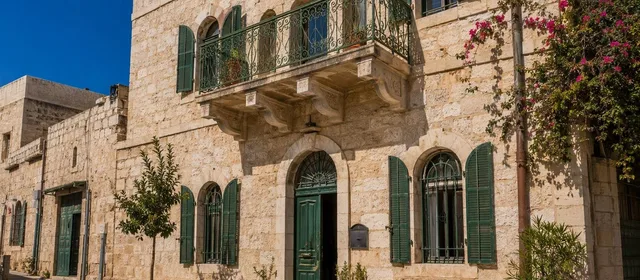
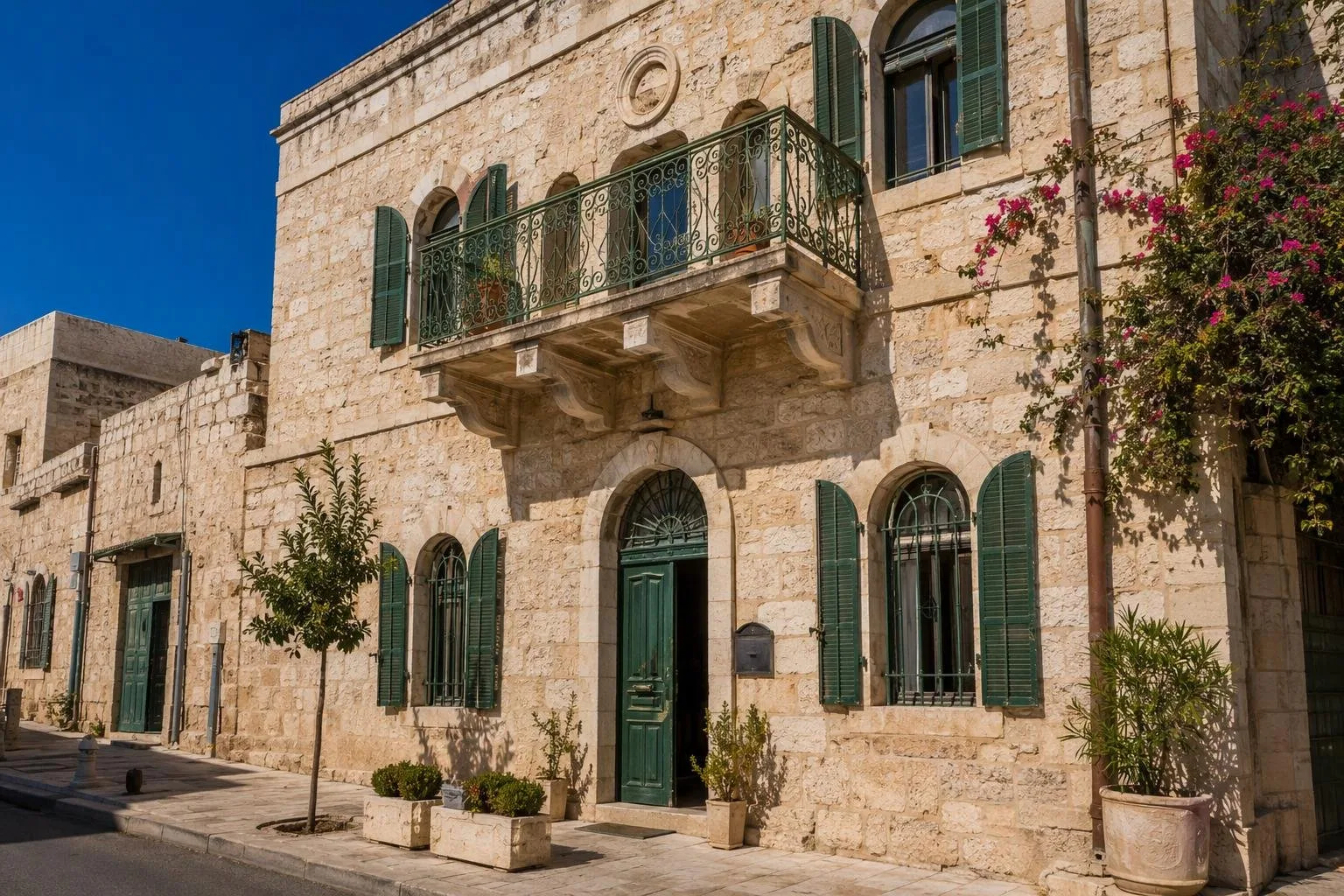
Ramallah al-Tahta is Ramallah’s historic core, immediately below the modern city centre. Its lanes, stone houses, religious buildings and former civic spaces preserve the framework of the town from which Ramallah grew.
Orientation
Ramallah al-Tahta—also called the Old Town or downtown Ramallah—is the historic nucleus of Ramallah. It is a compact, lived-in neighbourhood rather than a sealed monument district: homes, small businesses, places of worship and cultural spaces share the same tight street pattern.
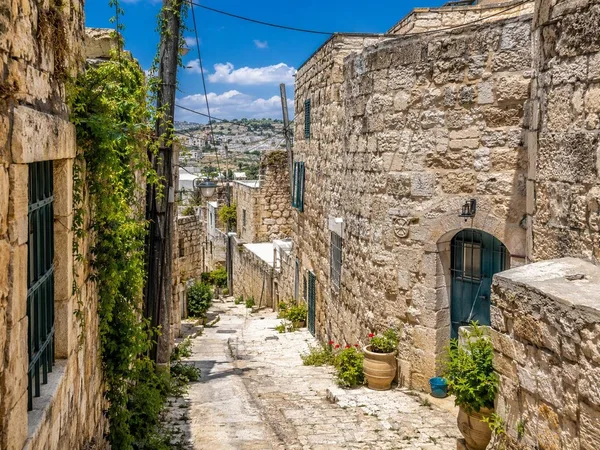
The core took shape in the 17th and 18th centuries and expanded during the Ottoman period. Its historic fabric is defined by joined stone buildings, narrow alleys, courtyards and small open spaces.
What to look for
Walk slowly and look above street level. The useful details are architectural rather than monumental:
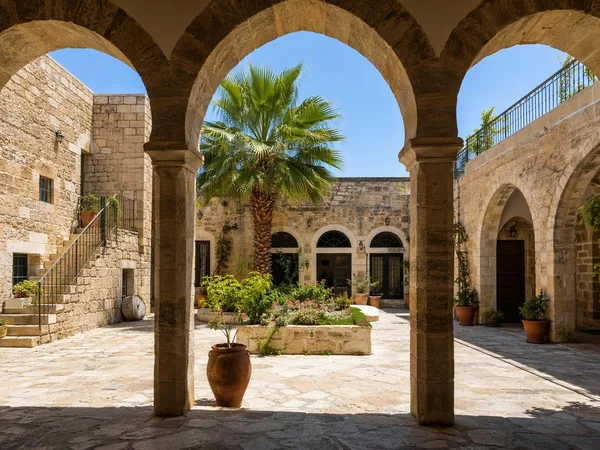
- Stone houses: local limestone walls, arched doors and windows, and occasional vaulted spaces.
- Courtyards and lanes: building clusters open unexpectedly into small shared yards or squares.
- Mixed uses: domestic buildings stand close to shops, prayer spaces and former administrative buildings, reflecting the old town’s working role.
The neighbourhood has changed substantially, so expect newer construction alongside surviving historic structures.
Key places within the old town
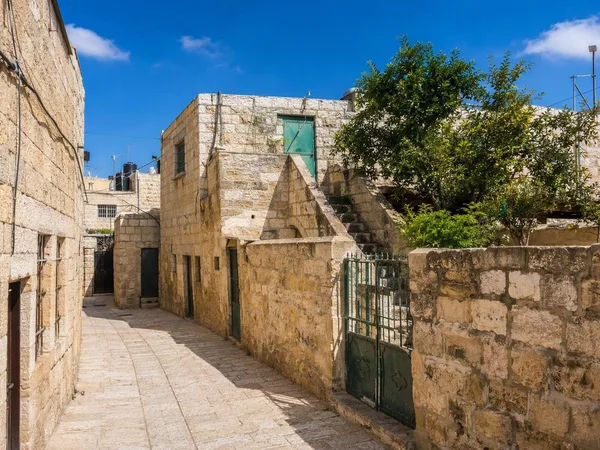
Al-Sahl Street runs through the old Mar Giryes area and is the clearest practical spine for a first walk. It links the historic fabric with cafés and restaurants.
The Ottoman Court dates to 1902. It once housed police, judges and governors, marking Ramallah’s growing administrative role at the end of the Ottoman period.
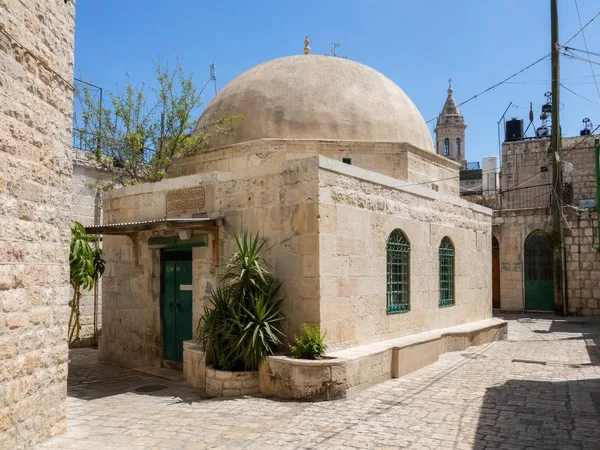
Maqam Ibrahim al-Khalil is a local shrine embedded in the old-town fabric.
Dar Zahran Heritage House is a restored traditional stone house used as a cultural venue, with art and historical photographs of Ramallah. Its family-house scale makes it a good reference point for the domestic architecture of the quarter.
Walking the area
Start on Al-Sahl Street, then turn into the lanes rather than treating the street as the destination. The historic centre covers a modest area, but its alleys are irregular and some are residential. Wear shoes suited to uneven paving and keep doorways and courtyards clear; many buildings remain private homes.
This is best explored on foot in daylight, combined with the nearby city centre. Treat active religious sites with appropriate dress and quiet behaviour.
Context
Ramallah al-Tahta was once a farming settlement, with dwellings and agricultural life closely connected. The surrounding city grew rapidly through the 20th century, but the old core still records earlier patterns of clustered family houses, shared spaces and mixed civic life. That continuity—not a single headline monument—is the reason to visit.
From the magazine
Stories about Ramallah al-Tahta
Editorial stories linked directly to Ramallah al-Tahta.
No stories about Ramallah al-Tahta have been published yet.
Routes from our editors
Travel through Ramallah al-Tahta
Editorial routes connecting Ramallah al-Tahta with other countries, cities and hotspots.
No routes through Ramallah al-Tahta have been published yet.
More in Palestine
Related hotspots
Other cities, nature areas and places within Palestine.
Ramallah
3 linked stories and routes
Khalil Sakakini Cultural Center
2 linked stories and routes
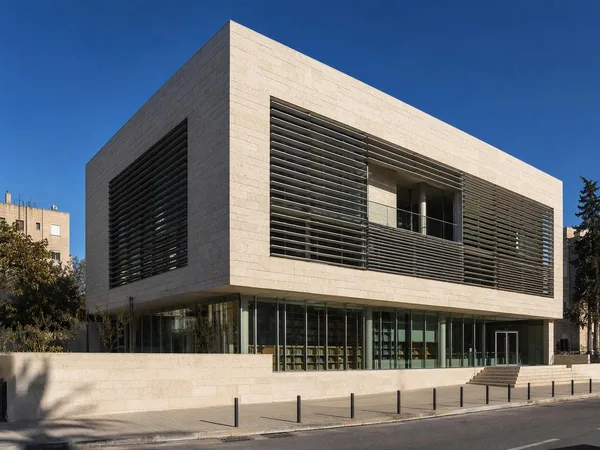
A.M. Qattan Foundation
2 linked stories and routes
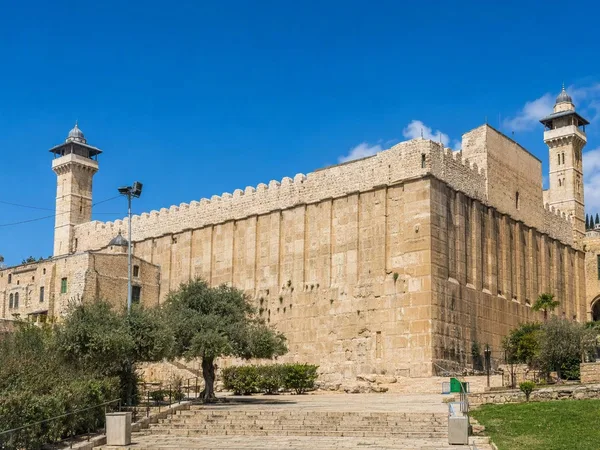
Hebron
2 linked stories and routes
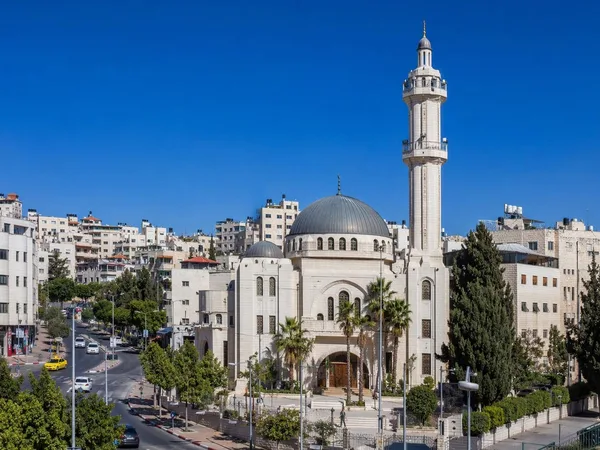
al-Bireh
2 linked stories and routes
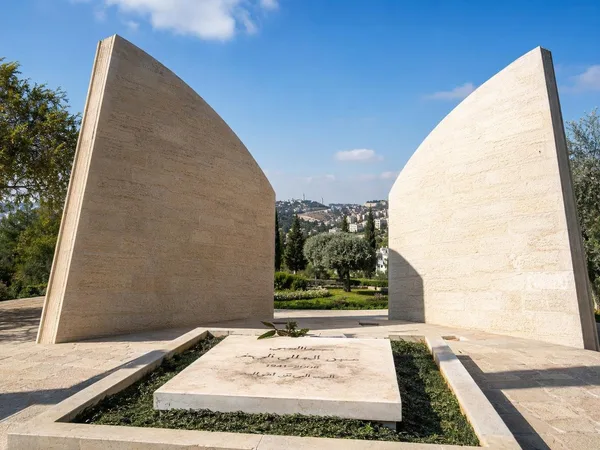
Al-Masyoun, Ramallah
1 linked stories and routes
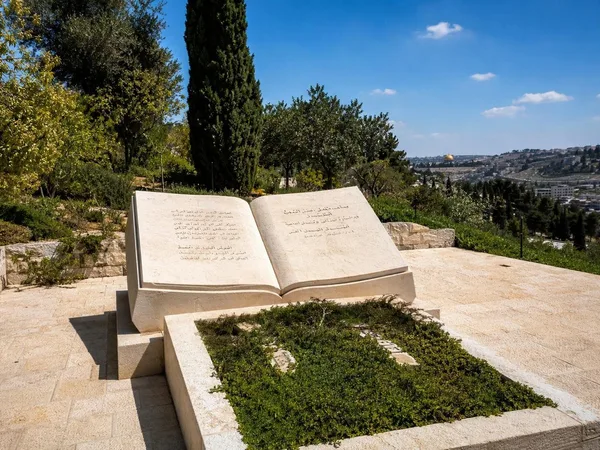
Mahmoud Darwish Museum
1 linked stories and routes
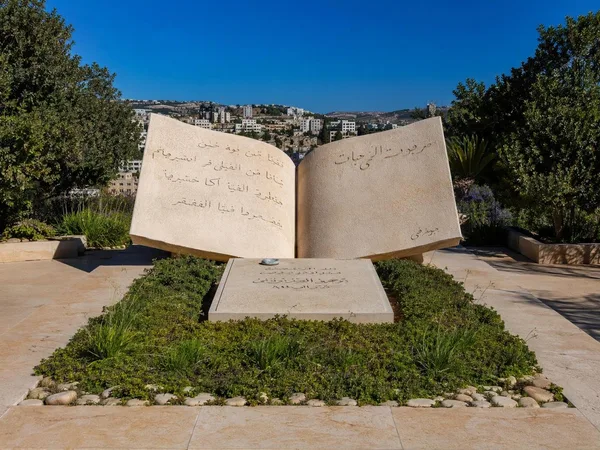
Al-Birwa Garden, Ramallah
1 linked stories and routes
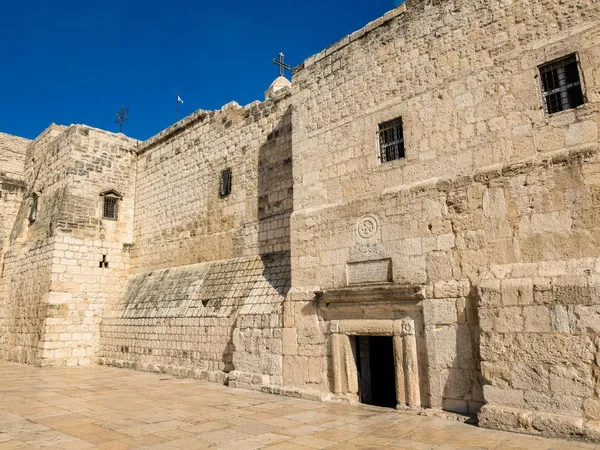
Bethlehem
1 linked stories and routes
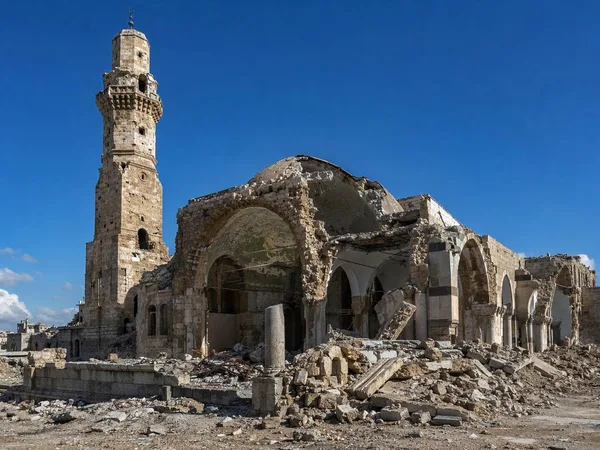
Gaza
1 linked stories and routes
Birzeit
1 linked stories and routes
Al-Tira, Ramallah
1 linked stories and routes
Ramallah Friends Meetinghouse
1 linked stories and routes
Mar Giryes, Ramallah
1 linked stories and routes
Dar Zahran
1 linked stories and routes
Maqam Ibrahim al-Khalil
1 linked stories and routes
Al-Manara Square
1 linked stories and routes