
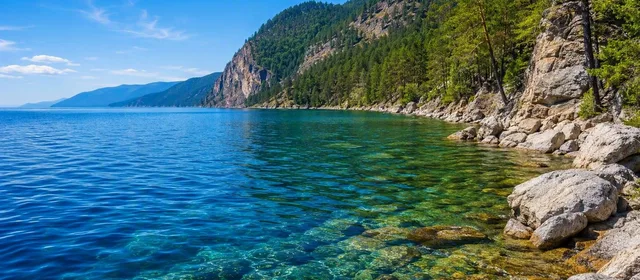
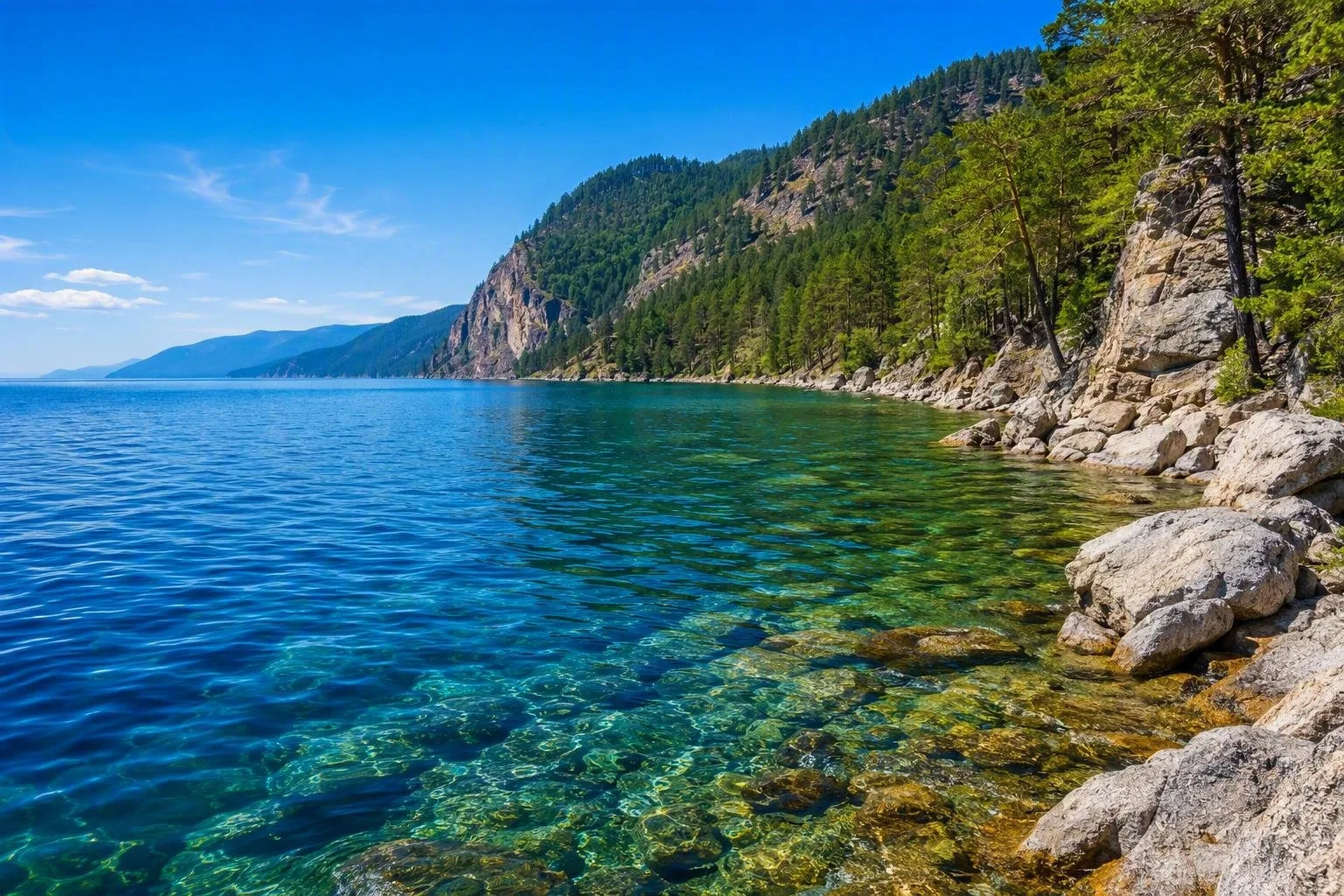
Russia repays a closer look because its familiar landmarks reveal only part of the picture. Moscow pairs the Kremlin’s medieval cathedrals with metro stations built in marble and mosaics. In St Petersburg, canals cut through planned imperial streets, while the Hermitage fills former palace rooms with paintings and sculpture. Far east of both capitals, Lake Baikal runs between rocky shores and forested hills. Its water turns to thick ice in winter and catches long daylight in summer. Orthodox tradition, Soviet industry, imperial rule and many ethnic communities have left distinct marks on the country’s streets, food and landscapes.
Kazan shows those layers clearly. The blue domes of the Kul Sharif Mosque stand near the Orthodox Annunciation Cathedral inside the kremlin, where Tatar and Russian histories meet in one compact setting. Northeast of Moscow, Suzdal holds white-stone churches, wooden houses and monastery walls. Across Siberia, the railway follows rivers, birch forest and industrial towns over distances that are hard to grasp from a map.
Food offers another way in. Tatar bakeries sell triangular echpochmak filled with meat and potato. Siberian kitchens serve pelmeni, and Georgian restaurants fill dining rooms in many large cities. The Bolshoi and Mariinsky theatres still draw audiences for ballet and opera, while galleries, music venues and neighbourhood cafés show a more everyday urban life. Leave time for the grand sights, then stay long enough to notice the local details.


