
Moldova

Vineyards, village wells and limestone cellars

Moldova

Vineyards, cave monasteries and Soviet-era streets lie close together in this compact corner of Eastern Europe.

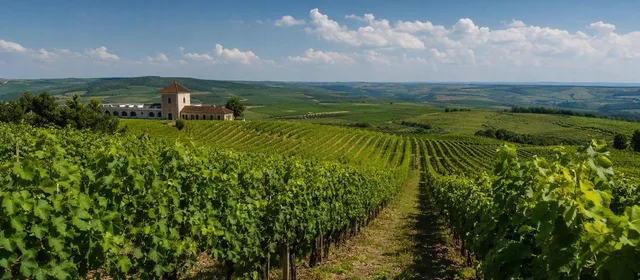
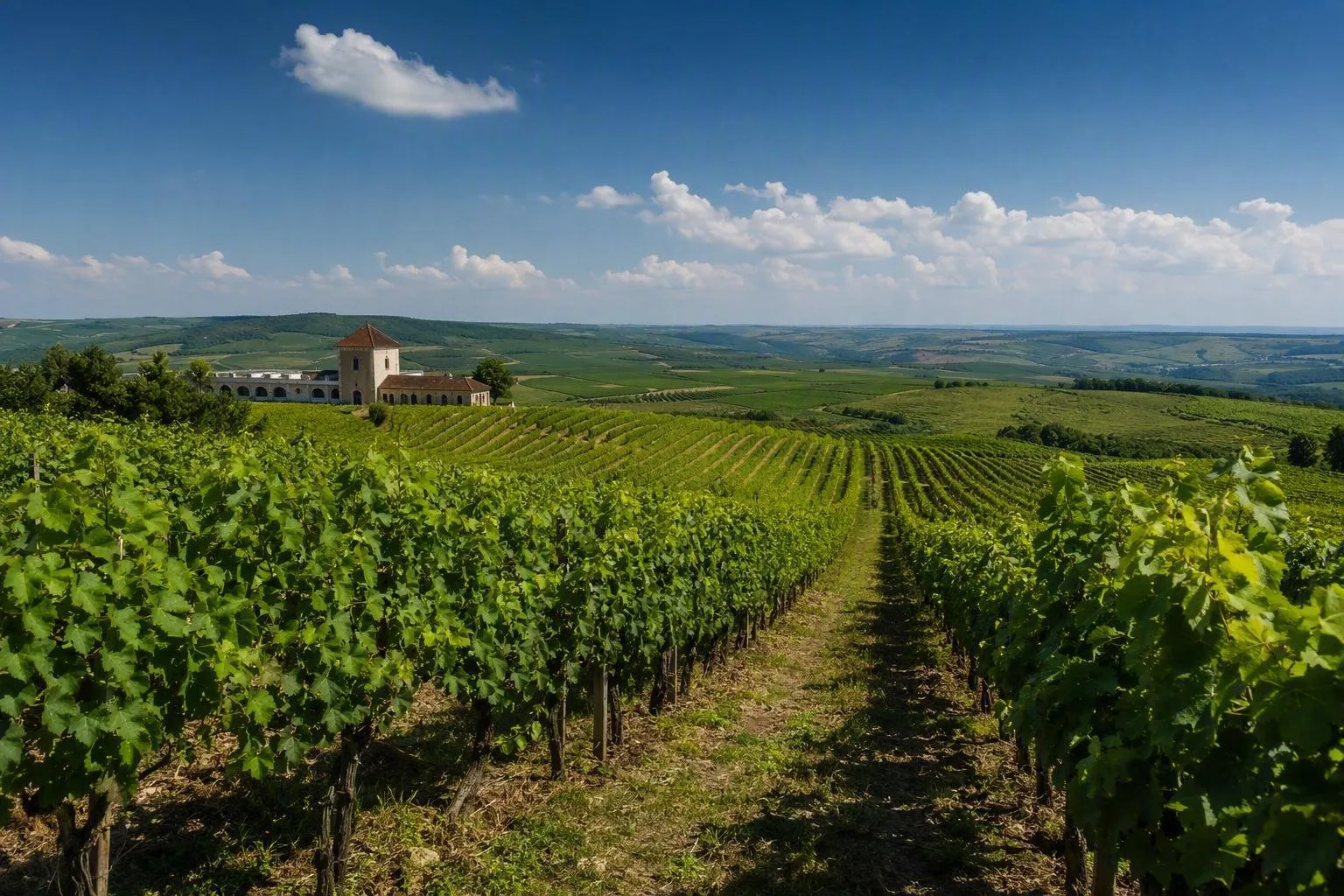
Moldova deserves a closer look for the things that sit side by side: vineyard hills, village kitchens, cave chapels and the broad Soviet boulevards of Chișinău. In the centre of the country, growers work local grapes including Fetească Albă and Rară Neagră, then store bottles in old limestone quarries. At Orheiul Vechi, monks cut chapels into the cliff above the Răut River. Archaeological remains nearby mark earlier medieval settlements. Moldavian rulers, the Russian Empire and the Soviet Union each left their mark on the towns and countryside.

Chișinău mixes Orthodox domes, nineteenth-century houses and apartment blocks from the Soviet period. At the Central Market, traders sell walnuts, brined cheese, pickled vegetables and fruit in season. Soviet mosaics and monuments remain part of the city streets, while Cricova’s former limestone galleries hold rows of barrels and bottles underground.

In Comrat and Ceadîr-Lunga, Romanian, Russian and Gagauz are heard in shops and homes. Meals often begin with mămăligă or plăcinte, alongside cheese, vegetables and meat from local farms. Visit a market, stop at a small museum or sit down for a long lunch in a village, and Moldova soon feels far larger than its map suggests.

When to go

Best time to travel

Monthly values are indicative average maximum temperatures for Chișinău. Northern Moldova is generally cooler, while the south tends to be warmer and drier, so conditions vary meaningfully by region. Monthly values are indicative average maximum temperatures for Chișinău. Northern Moldova is generally cooler, while the south tends to be warmer and drier, so conditions vary meaningfully by region.

jan1°C feb3.5°C mar9.2°C apr16.5°C may22.3°C jun26.1°C jul28.5°C aug28.2°C sep22.3°C oct15.5°C nov8.3°C dec2.5°C

Weather in the capital

Practical Moldova

On every country page we show the current weather for the capital.

Chișinău
Morning15°Crain
Afternoon16°Cshowers
Evening16°Crain
today18°C / 15°Chigh and low

Current forecast by Open-Meteo

Getting around

Coaches and minibuses connect Chișinău with regional towns and villages. Trolleybuses cover much of the capital. A car is useful for reaching wineries and rural areas.

Money

ATMs and card payments are common in Chișinău and larger towns. Carry Moldovan lei for markets, village shops, local buses and small guesthouses.

Where to stay

Chișinău has the widest choice of hotels and apartments. Near Orheiul Vechi and in the wine regions, look for rural guesthouses, winery stays and family-run pensions.

Before you leave

Worth knowing

A practical starting point for your trip. Check current conditions and local information before you leave.

01

Languages

Romanian is the official language. Russian is widely used, while Gagauz has official regional use in the autonomous territory of Gagauzia.

02

Calling code

Moldova’s international calling code is +373.

03

Driving side

Traffic drives on the right. Drivers overtake on the left.

04

Measurements

Moldova uses the metric system. Road signs show distances in kilometres and speeds in kilometres per hour.

05

Tipping

In restaurants, a tip of about 5–10% is common when service is not included. Rounding up works well in cafés and taxis.

06

Meal times

Breakfast is usually early. Lunch commonly runs from noon to 2pm, and dinner often begins between 7pm and 9pm.

07

Business hours

Many shops open from around 9am to 7pm, while supermarkets often stay open later. Banks and offices usually close earlier and may shut at weekends.

08

Cards and cash

Cards are accepted at most hotels, supermarkets and urban restaurants. Cash remains useful at markets, on local transport and in smaller villages.

09

Mobile data

Mobile coverage is generally strong in populated areas. Local prepaid SIM cards and data packages are sold in network shops and authorised retailers.

10

Transport tickets

In Chișinău, passengers usually buy bus and trolleybus tickets onboard from a conductor or driver. Intercity tickets are sold at bus stations or, on some routes, by the driver.

11

Taxis

Booking by app or phone is common and usually gives a quoted or metered fare. Agree the price before setting off if no meter or app fare is used.

12

Visiting a home

Bring a small gift, such as flowers, sweets or a bottle, when visiting someone’s home. Hosts may serve several dishes, and guests usually wait for the host before making a toast.